2024 Reports | SDG 11 – Sustainable Cities and Communities





SUPPORT ON ARTS AND HERITAGES
Public Access to Buildings of Cultural Significance
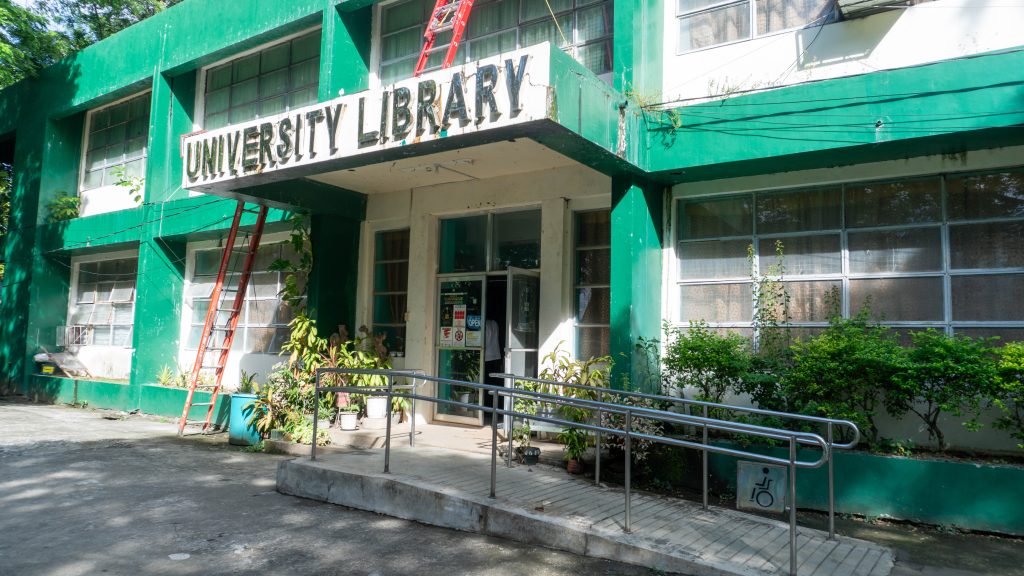
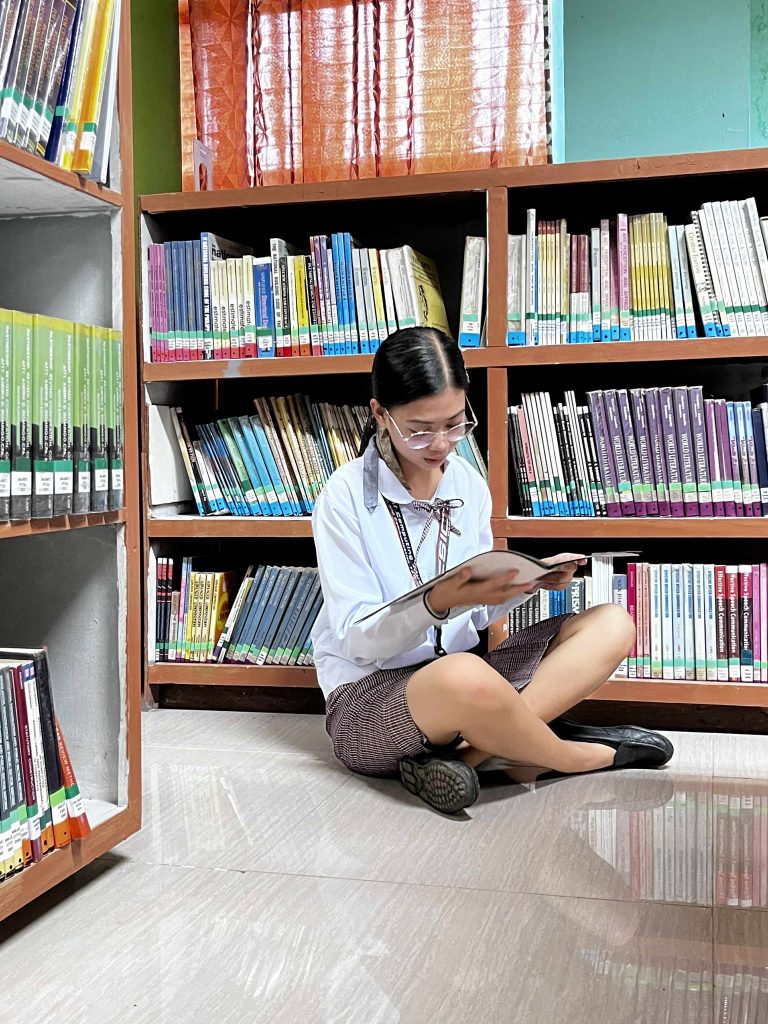
The Isabela State University (ISU) takes pride in ensuring public access to its buildings of cultural and historical significance, particularly the University Library, which has stood as a landmark of learning and heritage since its establishment in 1982. Situated at the heart of the ISU Echague Campus, the library is more than just an academic resource center—it serves as a cultural hub that embodies the University’s mission to advance knowledge while preserving the rich traditions of the region.
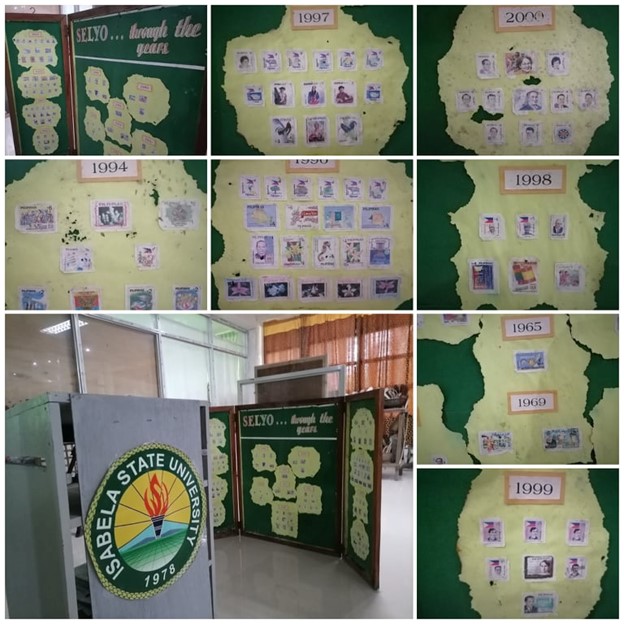
As a vital component of the University’s academic and cultural framework, the ISU Library provides extensive resources that support research, education, and community engagement. Beyond housing a wide range of scholarly materials, it also serves as a repository of local history and culture through its Filipiniana Section and Mini Museum of Natural History and Archaeology. These dedicated areas showcase collections that highlight the artistry, heritage, and historical narratives of Isabela and the Cagayan Valley region, giving visitors an opportunity to appreciate and understand the area’s cultural evolution.
Through educational programs and curated displays, the library promotes lifelong learning and reinforces ISU’s role as a steward of cultural preservation and accessibility. By opening its doors to students, researchers, and the broader public, the University ensures that valuable cultural artifacts, documents, and traditions remain accessible to future generations—preserving the collective memory and identity of both the institution and the community it serves.
Public Access to Libraries
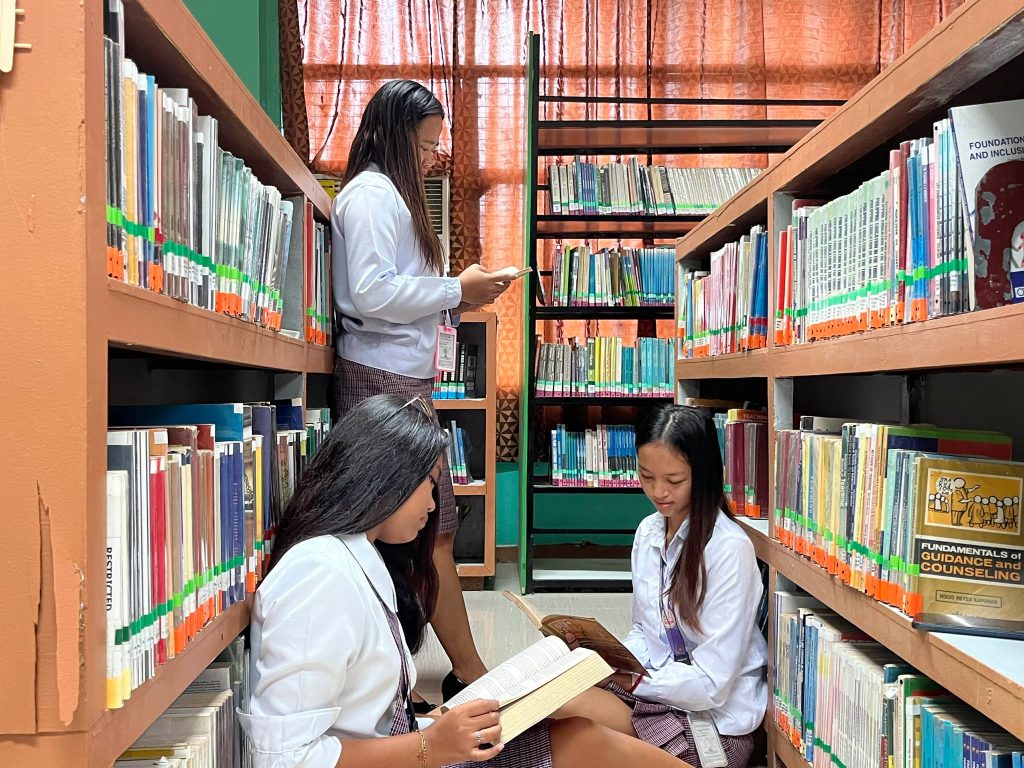
The Isabela State University (ISU) provides a dynamic environment for our stakeholders, dedicated to fostering learning and collaboration. The University Library provides free public access to our extensive collections—from academic texts to digital archives—to support the varied needs of students, faculty, and researchers alike.
The University Library houses an extensive selection of printed and digital materials and offers a thoughtfully designed array of sections and collections, each serving a unique purpose to support learning, research, and community engagement. These sections reflect the university’s dedication to academic excellence and providing an inclusive, resource-rich environment.
Committed to fostering an accessible academic environment, the University Library is open to the public from Mondays to Fridays, 7:00 AM to 5:00 PM, excluding holidays. For more information, visit https://library.isu.edu.ph/.
Public Access to Museums
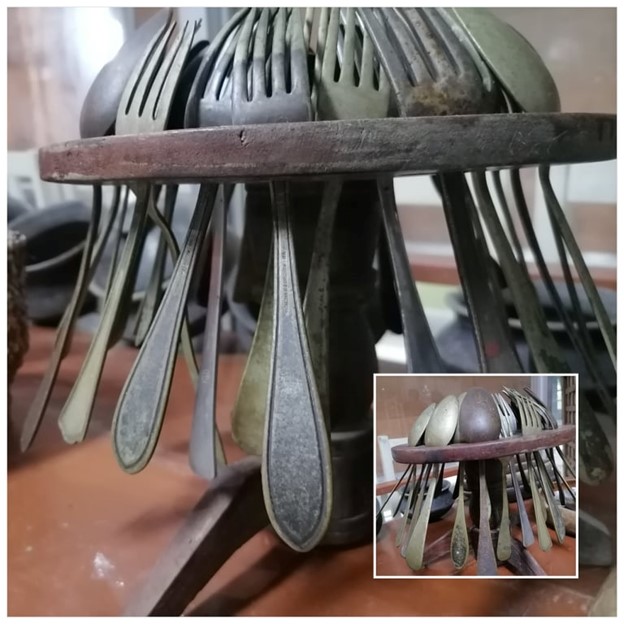
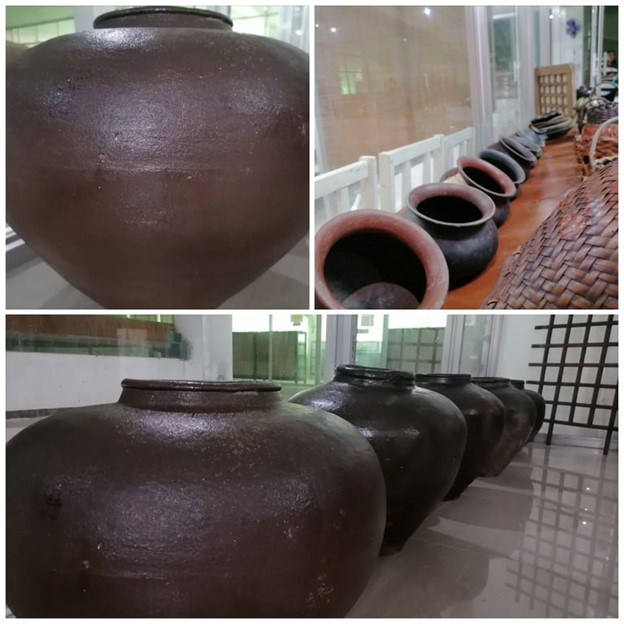
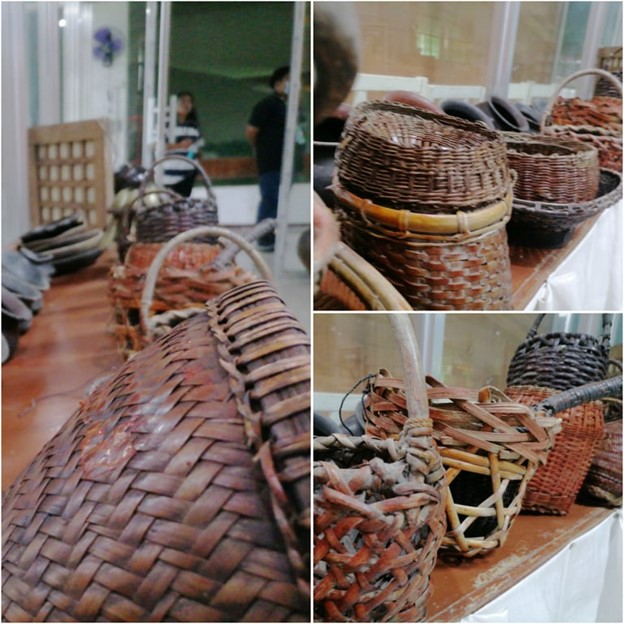
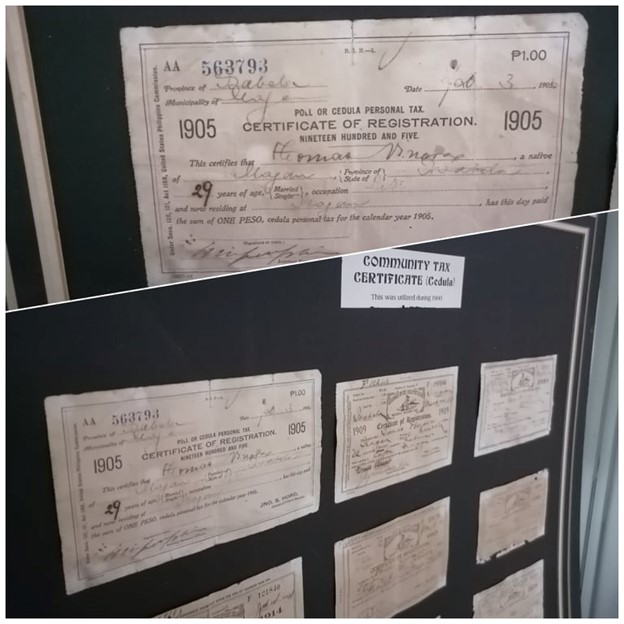
The ISU Mini-Museum of Natural History and Archeology serve as a remarkable showcase of the Philippines’ rich cultural heritage, offering an impressive collection of artifacts that narrate the nation’s history. Among its carefully curated displays are stunning antique “banga” jars, rustic utensils, traditional irons, and historical currencies. Each artifact provides a vivid glimpse into the past, thoughtfully presented to emphasize its artistic and cultural significance. This collection of artifacts forms the building blocks of a growing mini-museum. With each passing year, the library is etching a richer narrative of the nation’s past, one artifact at a time.
Open to the public from Monday through Friday, the mini-museum invites visitors to immerse themselves in the stories behind these treasures. With free entry, it warmly welcomes students, local residents, and curious visitors alike to explore and appreciate the artistry and history embodied in its exhibits.
Public Access to Open Spaces & Green Spaces
Isabela State University (ISU) provides a variety of open and recreational spaces that promote relaxation, wellness, and social interaction among students, faculty, and staff. These areas are thoughtfully designed to foster community engagement and support the holistic development of the academic community through leisure, cultural, and physical activities.
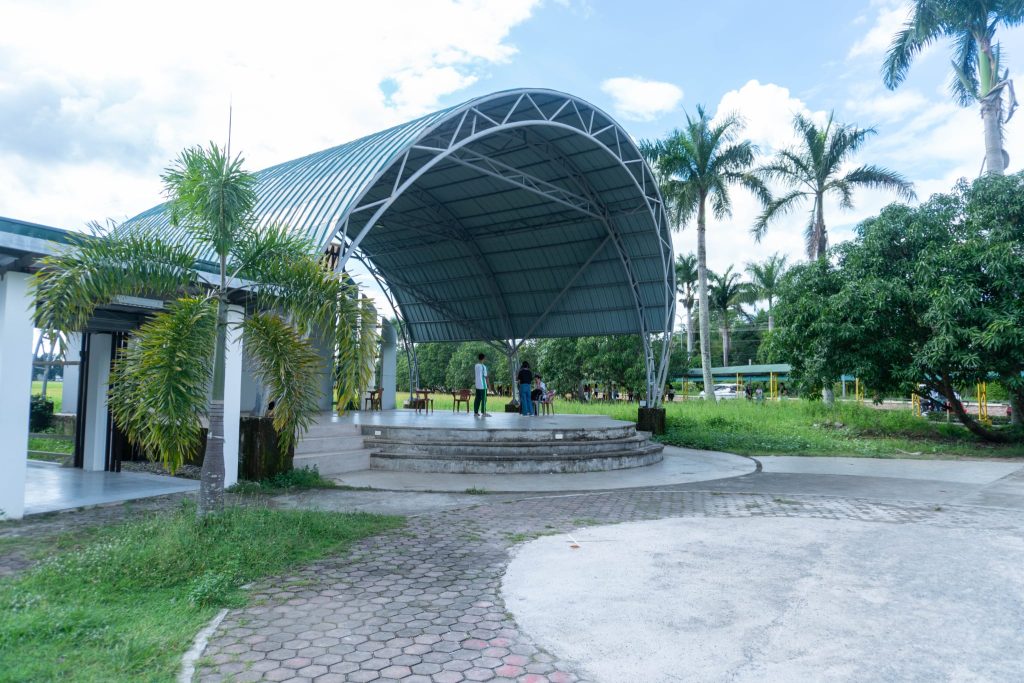
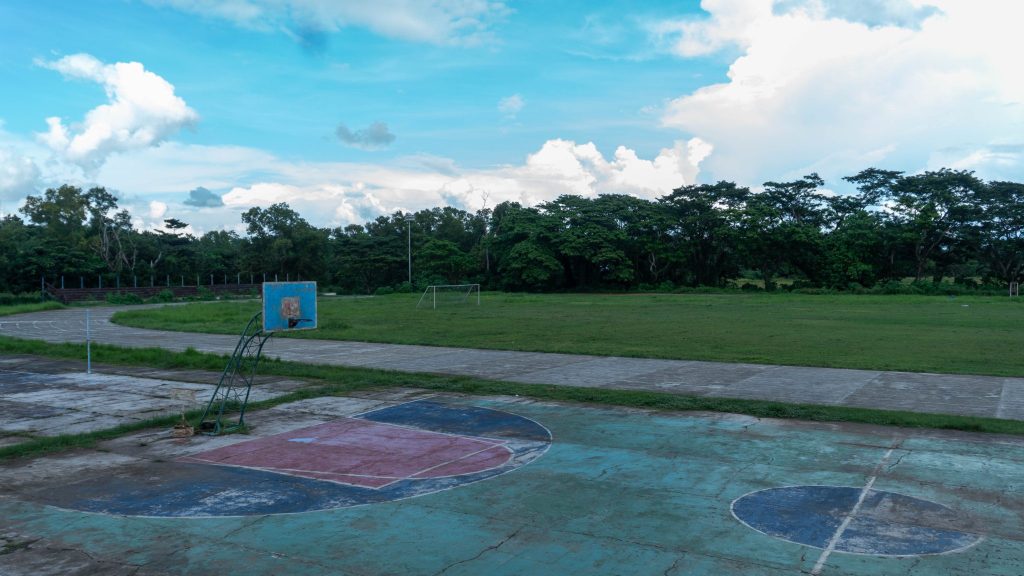
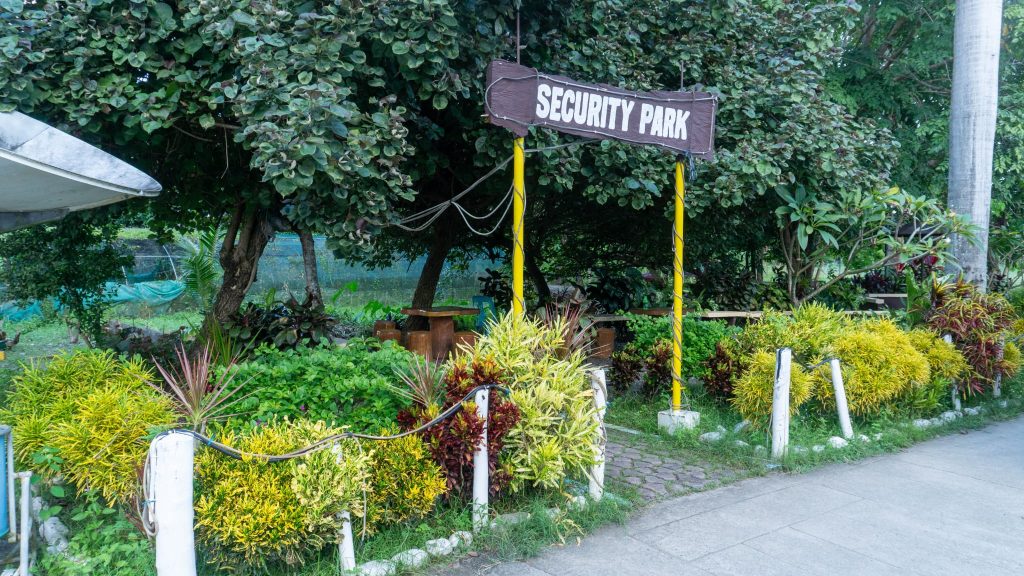
The Security Park, developed by the University Security Office, offers a peaceful and secure environment for rest, informal gatherings, and reflection. The Oval, located near the University Amphitheater, serves as a hub for sports, morning jogs, fitness training, and major wellness events that encourage an active lifestyle.
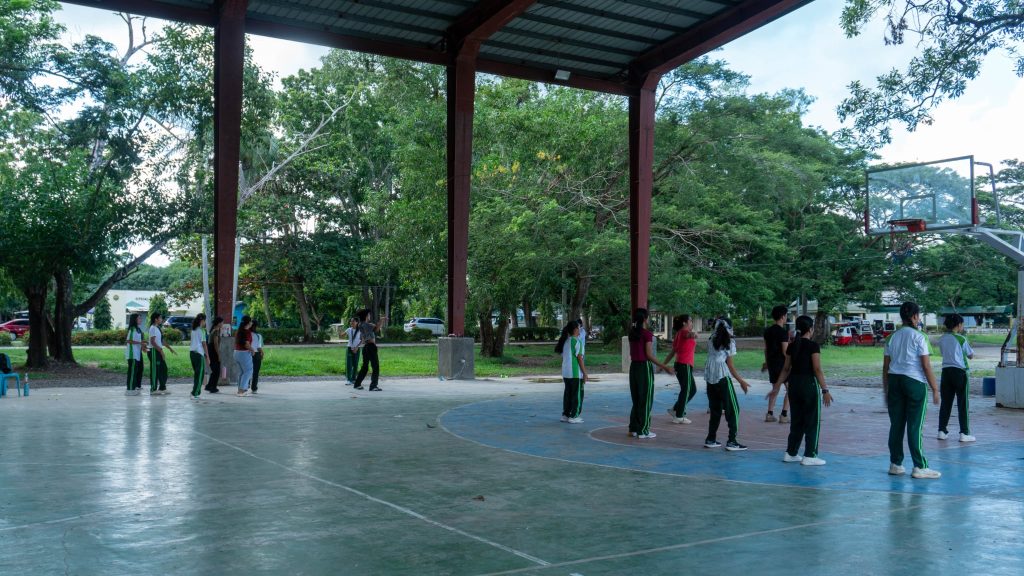
Meanwhile, the Student Plaza, situated beside the Office of Student Affairs and Services, functions as a lively center for student life—hosting organization-led programs, social events, and creative activities that build camaraderie and campus spirit. Complementing these spaces is the Open Gym, which provides an accessible venue for exercise, recreation, and small community activities, enhancing the University’s commitment to health and engagement.
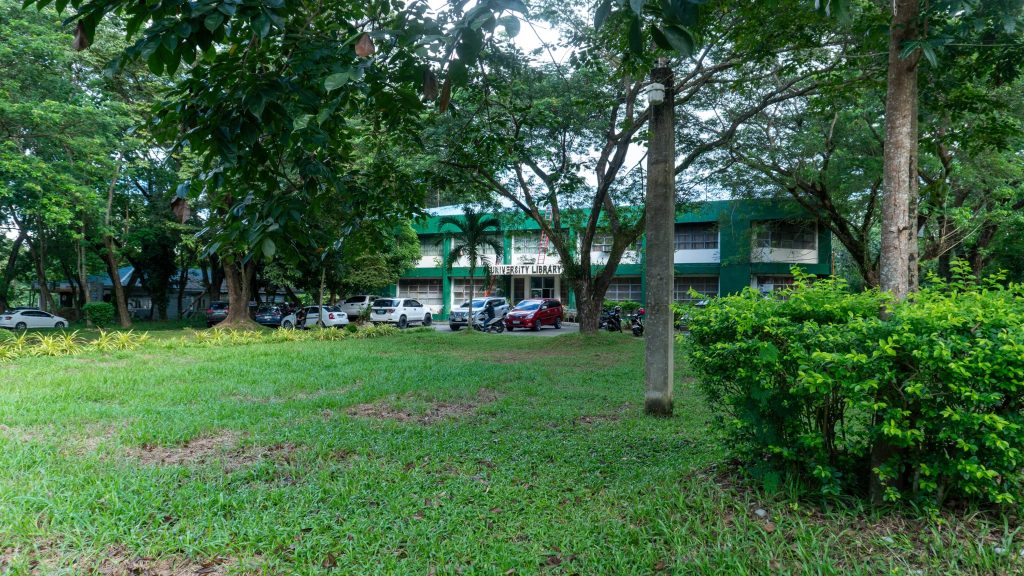
Finally, the Library Park offers a calm, green sanctuary in front of the University Library, perfect for study breaks, outdoor learning, or quiet relaxation. Together, these open spaces embody ISU’s dedication to creating a balanced and inclusive campus environment where learning, wellness, and community thrive.
Arts and Heritage Contribution
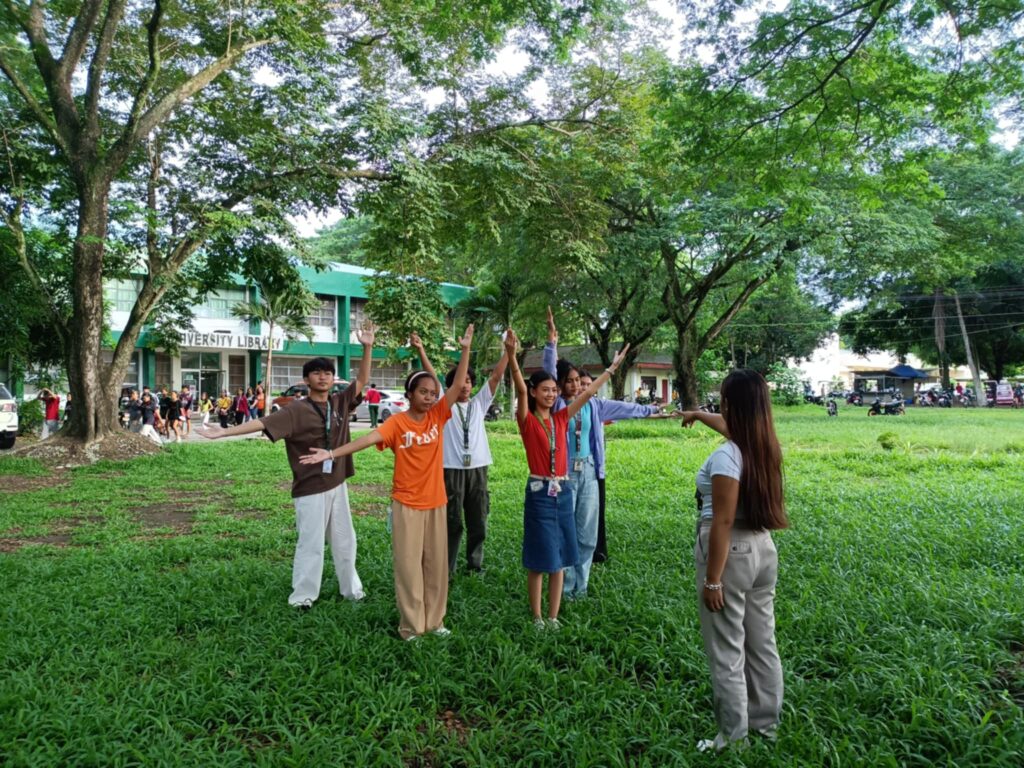
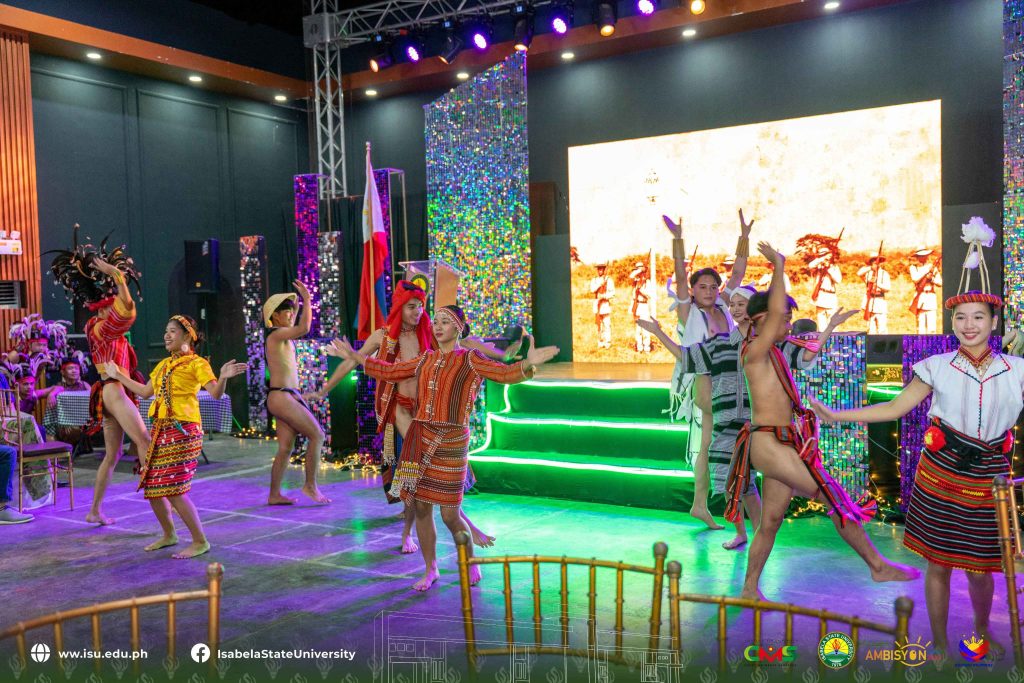
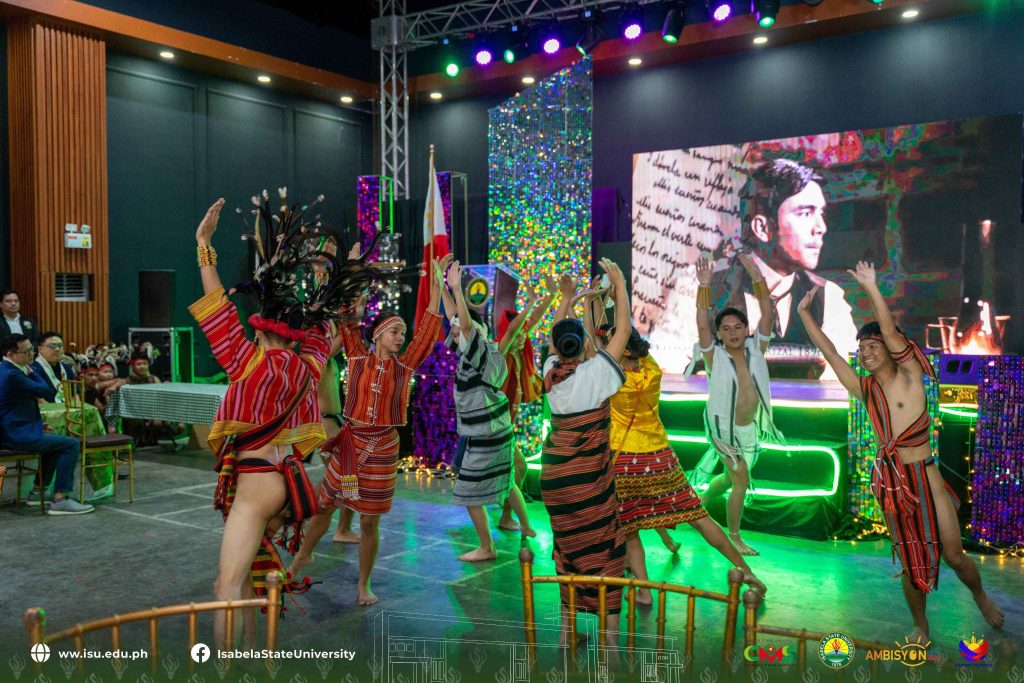
Isabela State University (ISU) upholds a strong commitment to the arts, culture, and heritage through its diverse performing arts groups, which serve as platforms for student expression, creativity, and cultural appreciation. These organizations promote extra-curricular engagement while celebrating the indigenous traditions of Northeastern Luzon and the broader spectrum of the arts and humanities. The university actively supports groups such as choral ensembles, dance troupes, and music bands, which regularly participate in artistic performances, cultural events, and competitions.
Among these is the STEPS Dance Troupe, whose performances at university and community events showcase the richness of Filipino dance traditions. Through the STEPS Dance Troupe, the student members can contribute to a growing repertoire of talent and artistry, finding inspiration and purpose within a supportive and inclusive community.
The University not only enriches campus life but also demonstrates its enduring dedication to preserving local heritage, nurturing artistic talent, and fostering cultural pride among its students.
Record and Preserve Intangible Cultural Heritage
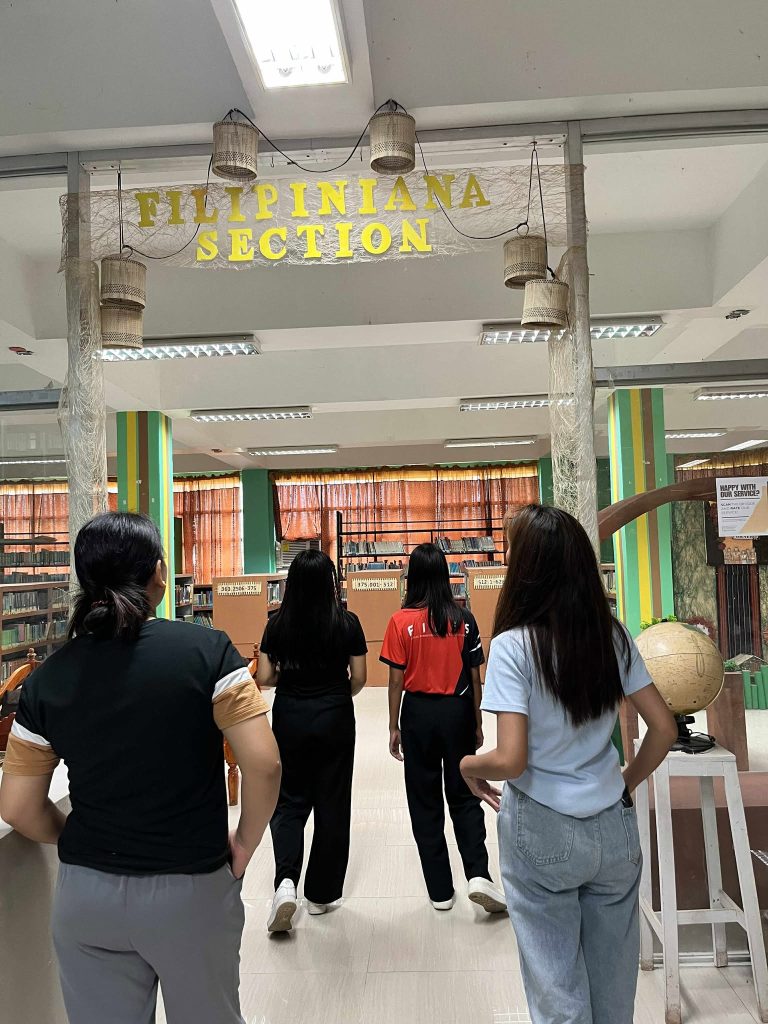
Isabela State University takes pride in being a steward of the cultural heritage of North-eastern Luzon, dedicating itself to recording and preserving the intangible traditions that shape Filipino identity. This dedication comes to life through the university library’s Filipiniana Section and Indigenous Peoples Section, and the beautifully curated exhibits of its Mini-Museum.
The Filipiniana Section serves as the heart of the university library, a sanctuary for history, literature, and cultural exploration. Here, visitors will find an extensive range of materials—from rare manuscripts and archival documents to modern works by Filipino authors—all thoughtfully preserved. This section plays an essential role in keeping the narratives of the past alive while sparking curiosity and pride in the hearts of future generations. Students, researchers, and the broader community are welcomed to immerse themselves in this treasure trove of knowledge, uncovering connections to their roots and the wider story of the nation.
Equally inspiring is the university’s Mini-Museum, a space where history steps out of textbooks and into reality. The museum showcases artifacts that reflect the daily lives and customs of Filipinos, such as antique “banga” jars, traditional tools, and old currencies. Each piece tells its own story, offering a glimpse into the practices, values, and craftsmanship of the past. Beyond their physical beauty, these objects serve as a bridge to intangible cultural heritage—rituals, oral traditions, and skills passed down through generations.
Additionally, the library’s Indigenous Peoples (IP) Section features a diverse range of materials that highlight local folklore, traditions, languages, and traditional knowledge. By integrating these resources into our library’s offerings, we aim to preserve and develop the unique cultural narratives that define our Indigenous communities. The IP Section exemplifies ISU’s commitment to education and cultural preservation, and ensures that the stories and histories of our Indigenous Peoples are not only recorded but celebrated, allowing future generations to learn from and honor these rich traditions, emphasizing the importance of preserving intangible cultural heritage.
Together, these facilities embody Isabela State University’s commitment to nurturing a deep respect for indigenous traditions and the stories that define North-eastern Luzon and the Philippines as a whole. They remind everyone who visits that preserving cultural heritage isn’t just about the past—it’s about inspiring the future. Through these efforts, the university ensures that the richness of Filipino heritage continues to thrive, educate, and connect people for generations to come.
EXPENDITURE ON ARTS AND HERITAGE
Out of its total expenditure of ₱1,772,949,757, Isabela State University allocated ₱8,232,294 to arts and heritage initiatives, underscoring its commitment to cultural preservation and holistic education. This investment supports programs, including but not limited to, heritage research and the maintenance of cultural facilities, reflecting ISU’s belief that nurturing artistic expression and safeguarding local traditions are essential to shaping well-rounded learners and strengthening the region’s cultural identity.
SUSTAINABLE PRACTICES
Sustainable Practices Targets: Safe and Walkable Campus
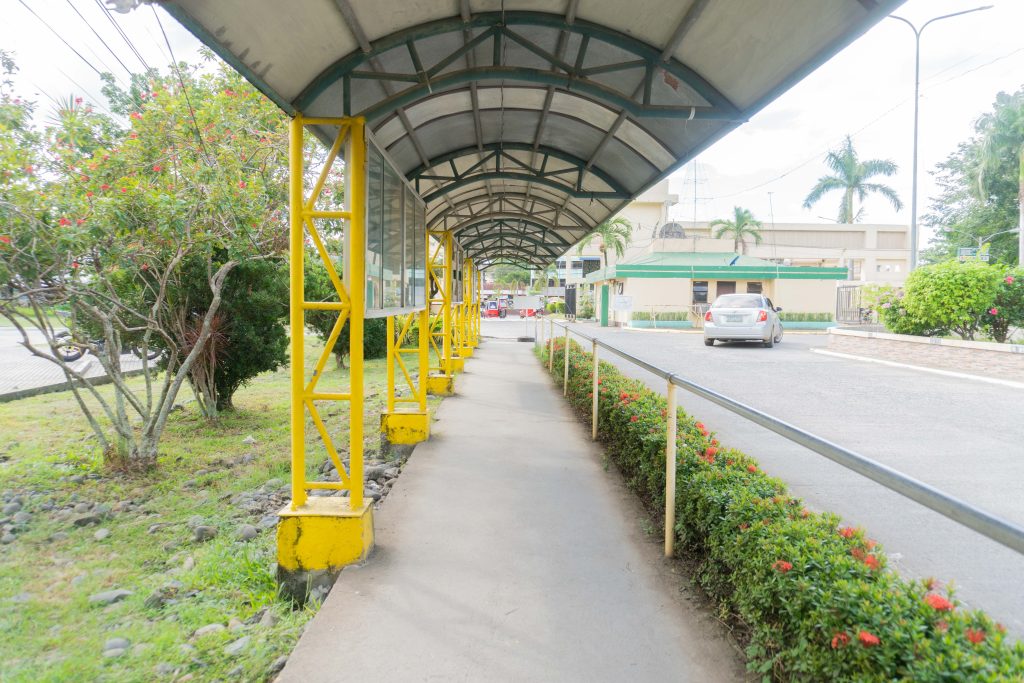
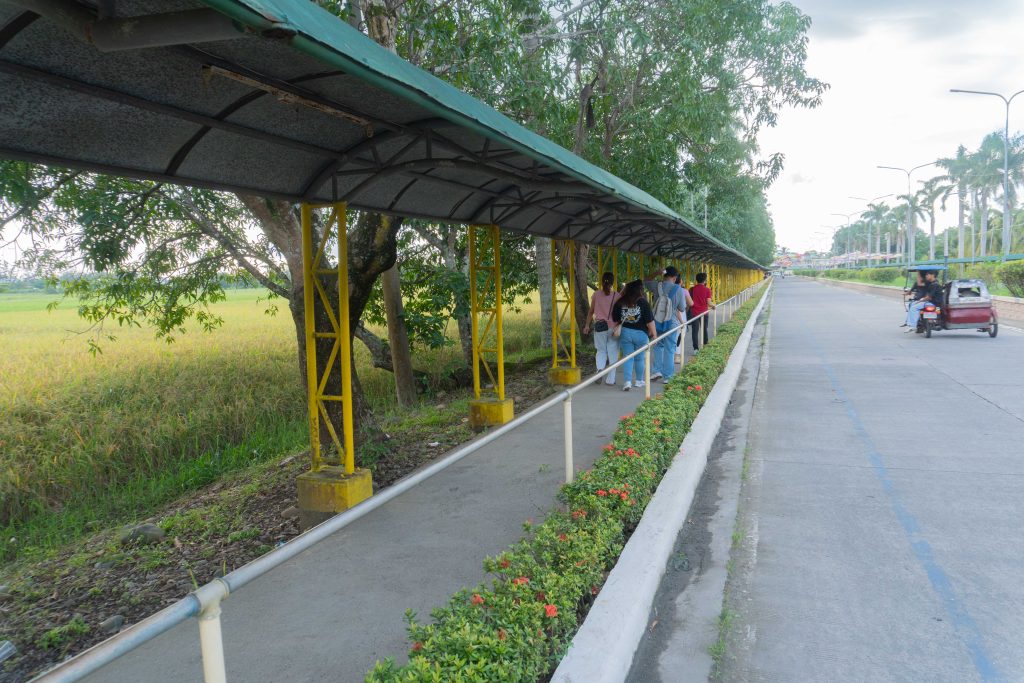
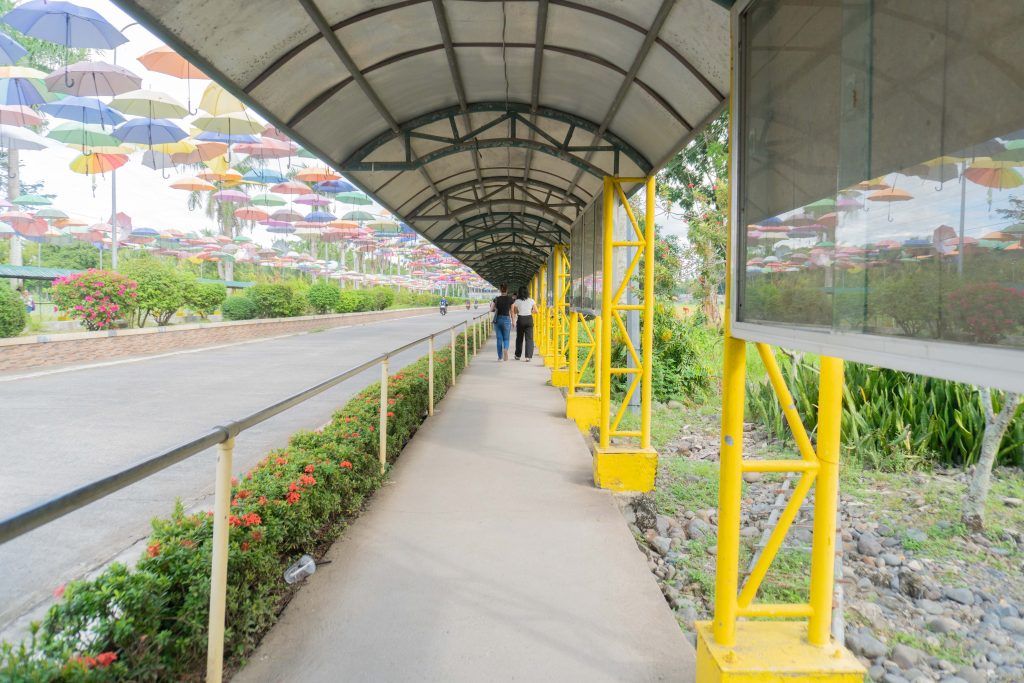
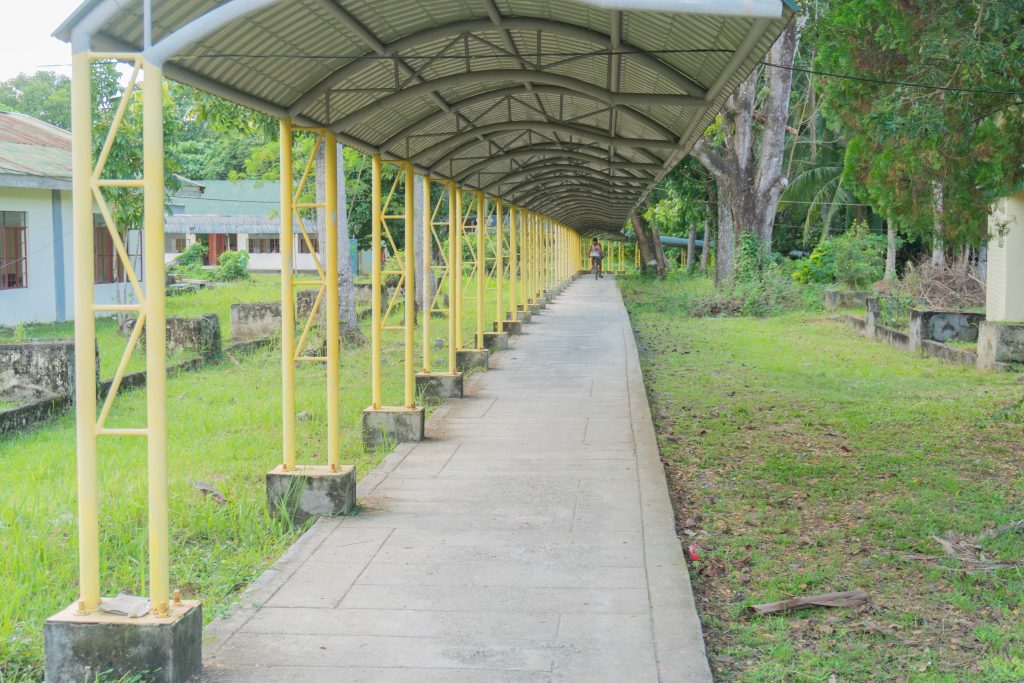
Isabela State University (ISU) champions sustainable and health-conscious mobility by promoting walking as a primary mode of movement across its campuses. Recognizing that walking contributes to both low-carbon living and community well-being, ISU has invested in the construction of safe, wide, and fully covered walkways that ensure comfort and accessibility in all weather conditions. These pathways are strategically designed to connect major academic buildings, administrative offices, dormitories, and recreational areas—encouraging students, faculty, and staff to walk rather than rely on motorized transport.
The walkways are equipped with adequate lighting, clear signages, and barrier-free access to ensure the safety and inclusion of persons with disabilities (PWDs). Beyond serving as daily transit routes, these spaces have evolved into venues for physical fitness and recreation, often used by employees for evening walks and jogs, and by student athletes for endurance training. Through these efforts, ISU not only reduces its carbon footprint but also fosters a culture of wellness, environmental responsibility, and community interaction, demonstrating that sustainable campus design can simultaneously support health, inclusivity, and climate action goals.
Promote Sustainable Commuting
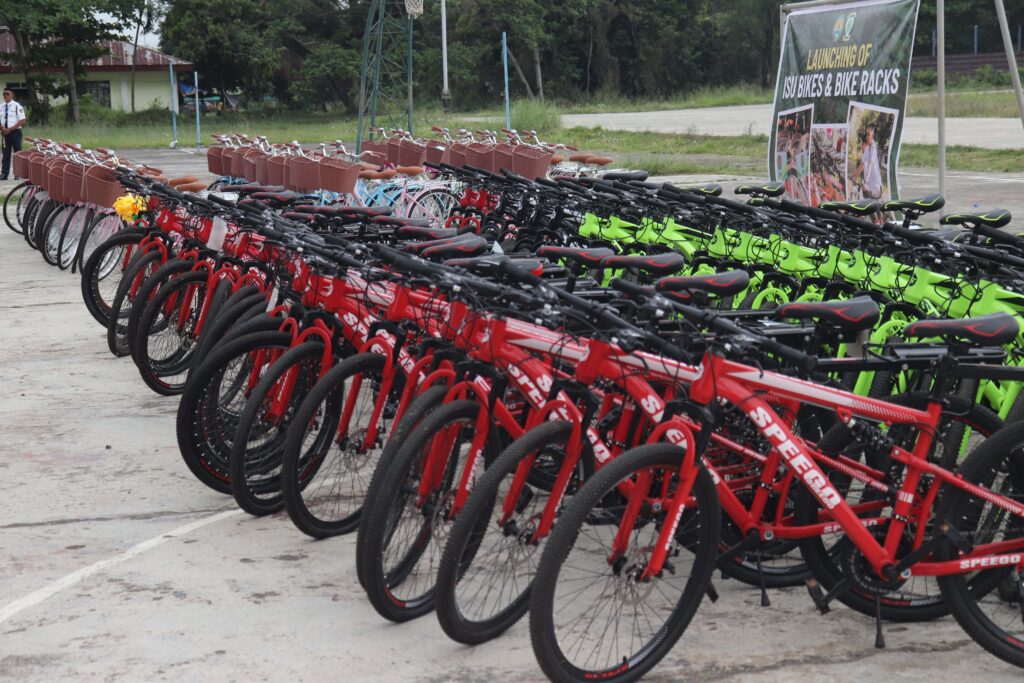
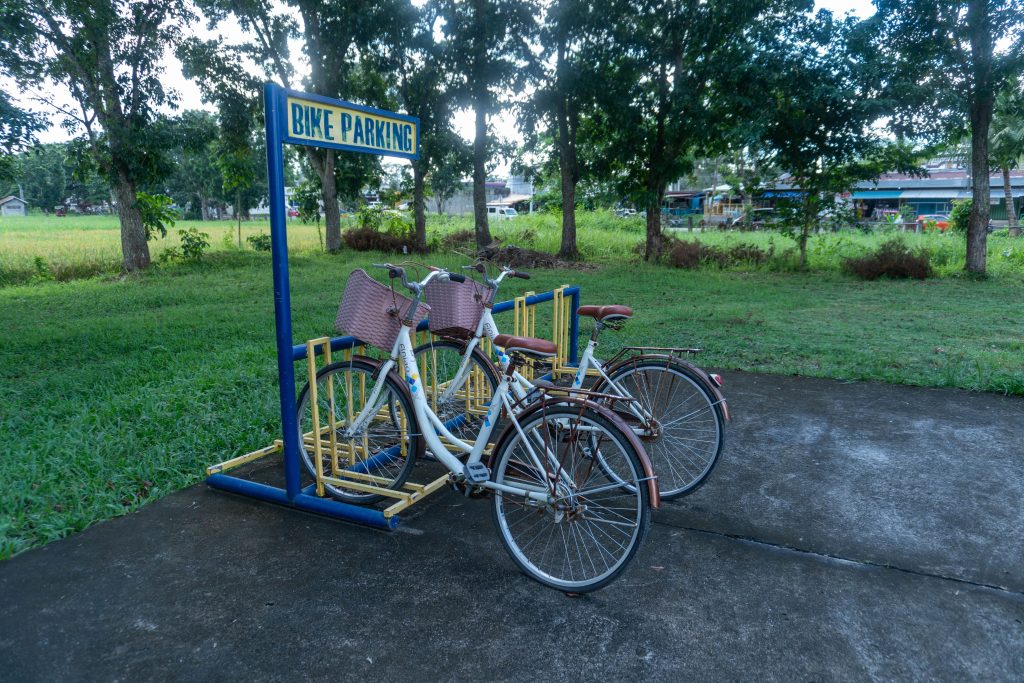
Travelling around the premises of Isabela State University Echague Main Campus is easier, more convenient, and eco-friendly as transport bikes were made available to every ISUan!
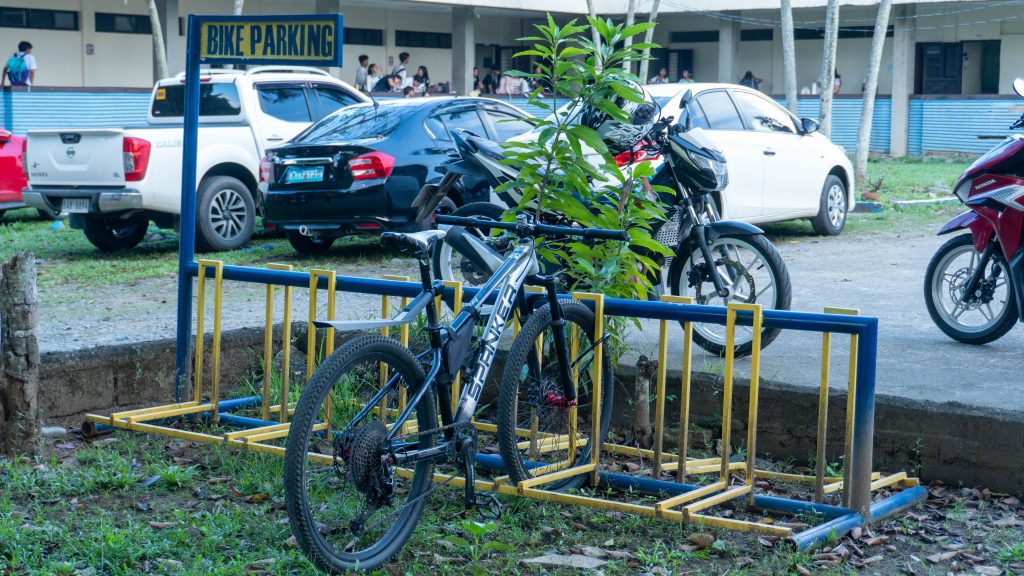
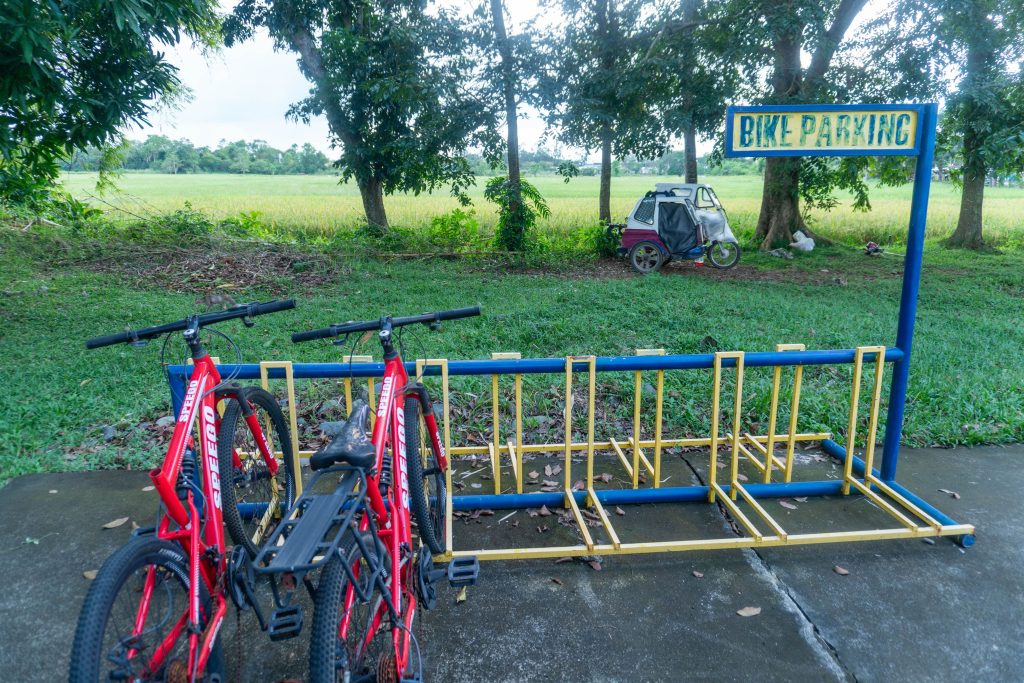
By eliminating transportation costs as a barrier to education, the free transport bikes for ISU students seek to lessen the effects of poverty. Students can readily access transportation by using the transport bikes, which are available for use at designated bicycle parking stations and bicycle racks close to the main gate of the campus, colleges, and student residences. The university community’s mobility and accessibility should be improved by the transportation bikes, which will also lessen the carbon imprint left by using traditional forms of transportation.
Pedestrian Priority on Campus
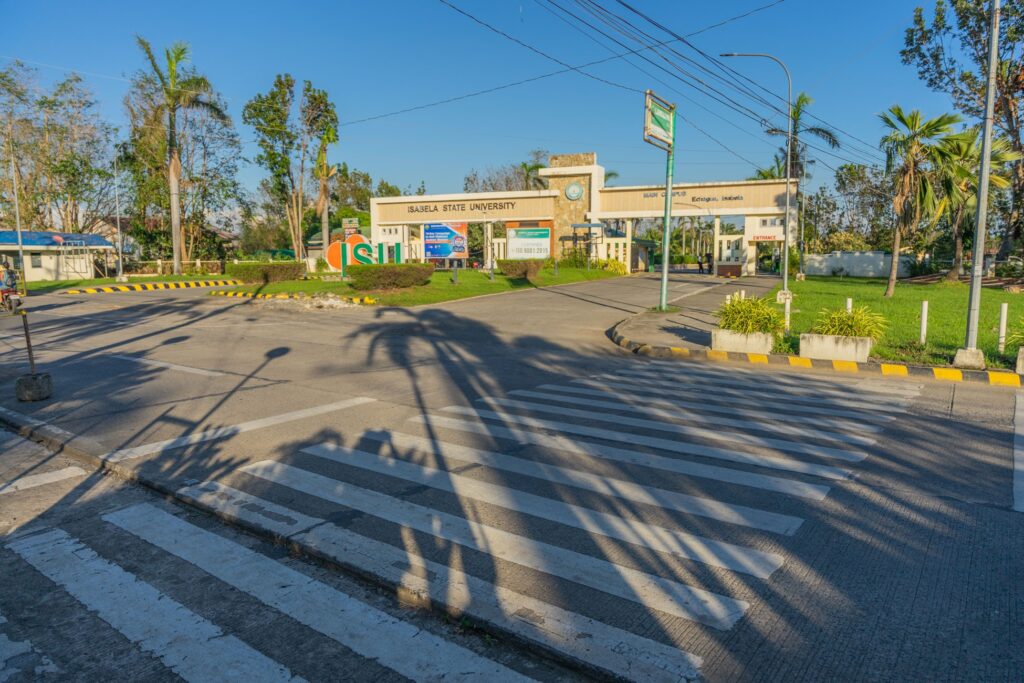
In and out the University premises, pedestrians are safe!
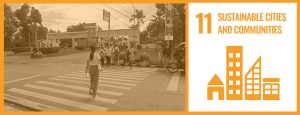
Isabela State University (ISU) places a high priority on pedestrian accessibility across its campuses by providing well-designed pedestrian lanes that enhance safety and convenience for students, faculty, and staff. These dedicated pathways are strategically located throughout the university grounds to reduce pedestrian-vehicle interactions, fostering a safer and more secure campus environment.
ISU’s emphasis on pedestrian-friendly infrastructure reflects its commitment to creating a walkable and accessible campus where individuals can move freely and safely between academic buildings, dormitories, and recreational areas. This initiative highlights the university’s dedication to the well-being and mobility of its community, ensuring that pedestrian access remains a central focus in campus planning and development.
Allow Remote Working
Isabela State University (ISU) has adopted a structured system for remote and flexible work arrangements under its Four-Day Work Scheme with a Work-from-Home (WFH) arrangement. Employees work on campus from Monday to Thursday, with Friday designated as a WFH day.
This setup enables employees to fulfill their weekly work hours over four on-campus days, minimizing commuting while maintaining operational efficiency. It fosters work-life balance and sustainability while upholding the university’s dedication to service and accountability.
Affordable Housing for Employees
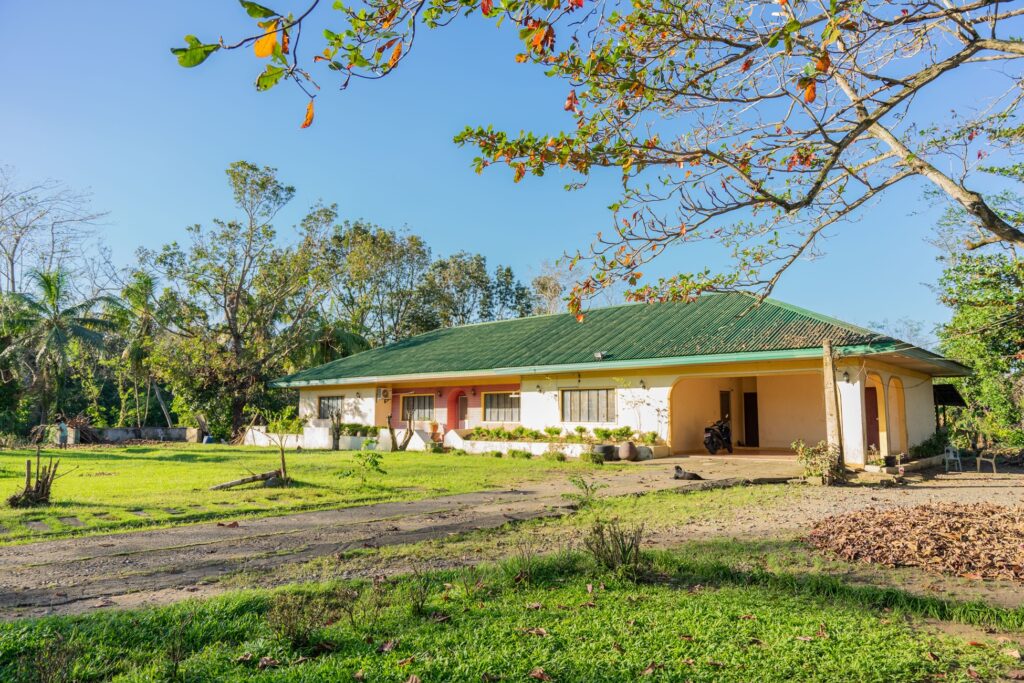
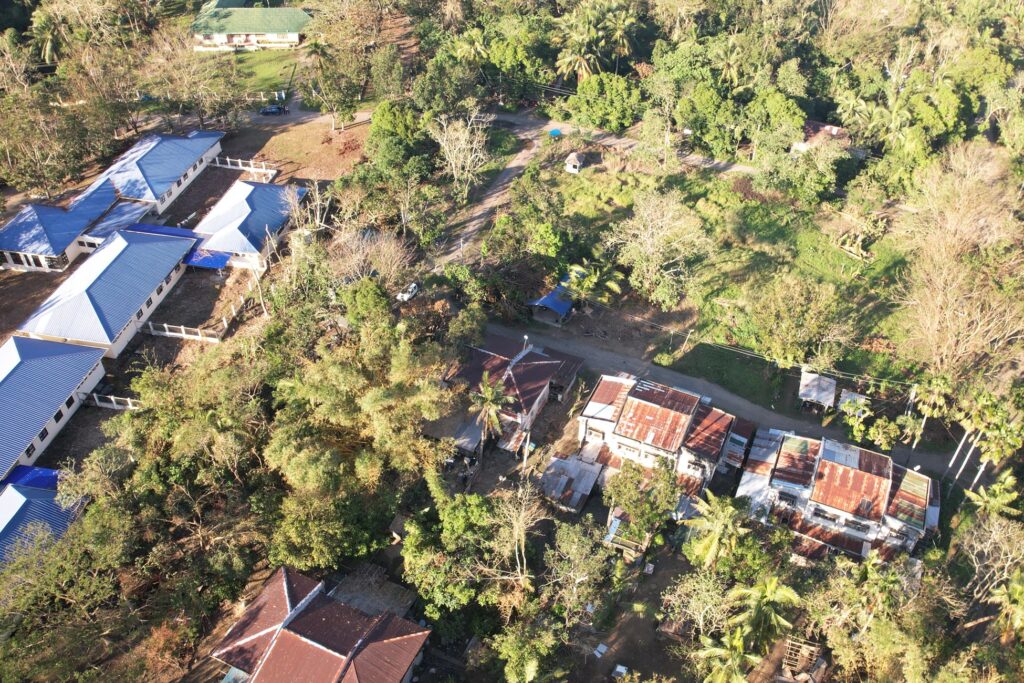
Isabela State University (ISU) offers affordable housing options for its employees through the ISU Staff Housing program. These units are designed to provide comfortable and cost-effective accommodations, particularly for faculty and staff who are relocating or require convenient housing near their workplace.
The availability of staff housing across multiple campuses demonstrates the university’s commitment to supporting employee well-being. By providing affordable on-campus housing, ISU helps reduce financial strain on employees, fostering a stable and productive work environment. This initiative promotes work-life balance, enabling staff to focus on their academic and administrative responsibilities without the added stress of securing distant or expensive housing. It is part of ISU’s broader effort to cultivate a supportive and sustainable campus community for both employees and students.
Affordable Housing for Students
Isabela State University (ISU) offers affordable on-campus housing through its ISU Student Dormitories, providing safe, comfortable, and budget-friendly accommodations for students from various regions of the Philippines. These dormitories make it easier for students to focus on their academic goals without the added pressure of high living expenses.
The dormitories also provide economical utility services, free Wi-Fi, and electricity, significantly alleviating financial challenges for students from low-income families. Male and female students are housed in separate dormitories, each managed by dedicated dormitory matrons who also offer counseling services to support the well-being of residents.
By offering affordable housing, ISU not only eases financial burdens but also promotes greater accessibility to education, fostering a positive and supportive campus experience for all students.
Local Authority Collaboration Regarding Planning and Development
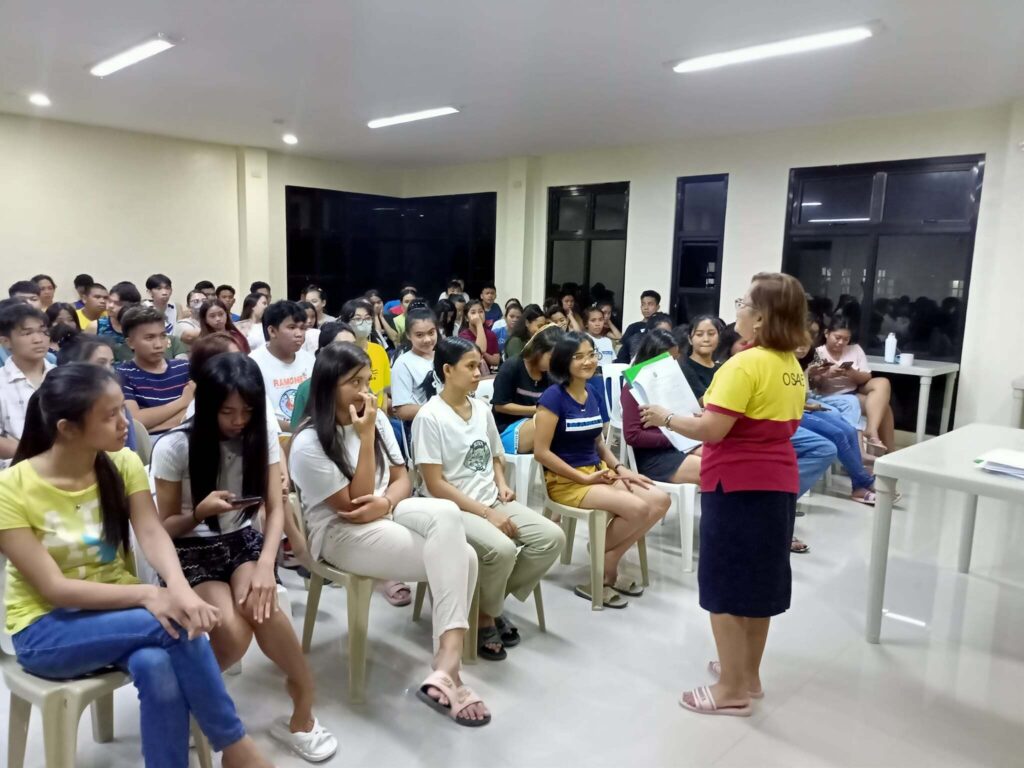
To ensure the safety and well-being of all the students residing outside the University, the Isabela State University (ISU) – Student Housing and Residential Services Unit is conducting annual accreditation of boarding houses and dormitories through monitoring and inspection with the partnership of the Office of Health Services, Security, Barangay Officials, Bureau of Fire and Protection (BFP), Philippine National Police (PNP), and Sanitation Office.
The University has established and organized partnership with the ISU-Owners of Accredited Boarding Houses and Dormitories Association (ISU-OABHDA). The ISU-OAHBDA is registered to the Securities and Exchange Commission (SEC) with Company Registration No. CN201111606. Its general objective is to unite and organize all the owners of Registered and Accredited Boarding Houses and Dormitories of San Fabian, Echague, Isabela, and provide an avenue to safeguard the common interest and welfare of students residing in their care.
Sustainable Building Standards
Isabela State University (ISU) upholds a strong institutional commitment to sustainable development and environmental stewardship, as reflected in its strict adherence to the Philippine Green Building Code, a key component of the National Building Code of the Philippines. This standard guides the design and construction of all new university buildings to ensure energy efficiency, water conservation, waste management, and sustainable material use. Each infrastructure project is carefully planned to minimize environmental impact while maximizing comfort, safety, and operational efficiency.
Beyond compliance, ISU’s green infrastructure program reflects a proactive approach to sustainability, integrating eco-friendly technologies such as natural lighting systems, rainwater harvesting, and energy-efficient ventilation. The university also promotes environmental awareness among students, staff, and construction partners, instilling a shared sense of responsibility toward resource conservation. By aligning infrastructure development with national and global sustainability frameworks, ISU not only enhances campus resilience but also sets a model for higher education institutions striving to harmonize innovation, functionality, and ecological responsibility in pursuit of a greener, more sustainable future.
Building on Brownfield Sites
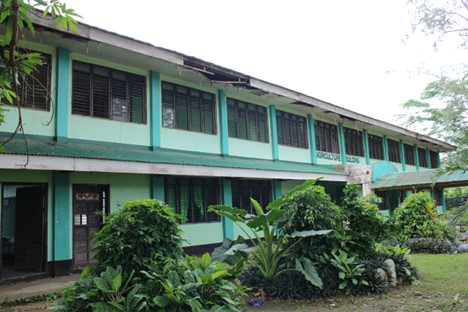
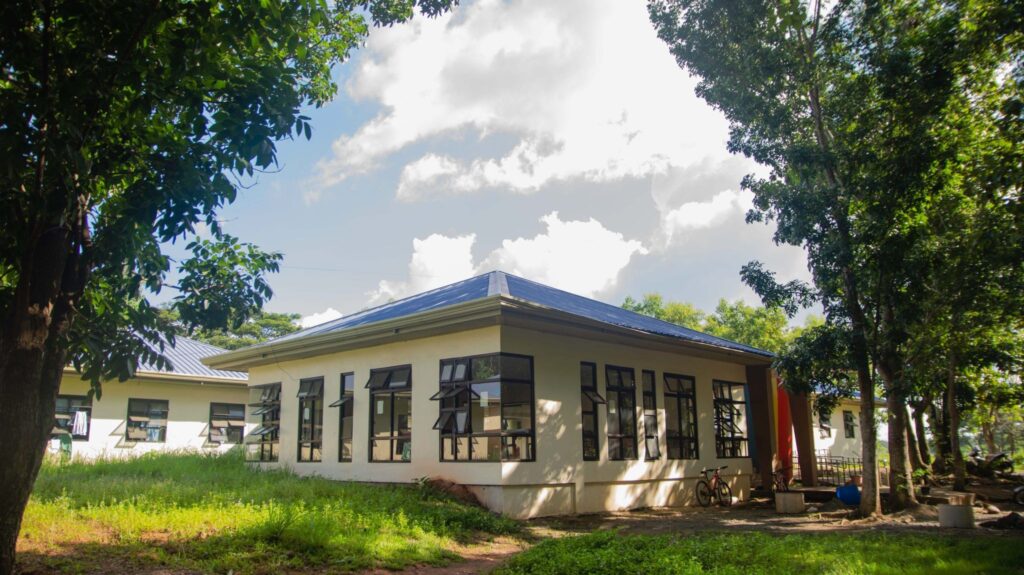
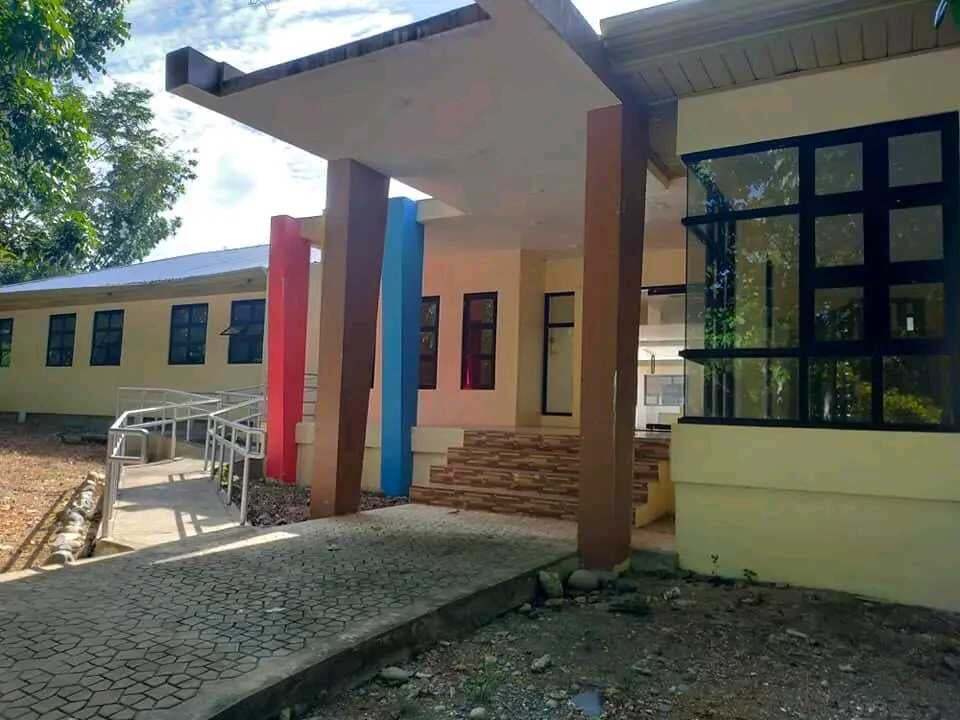
The Isabela State University – Roxas Campus Library, a risk-laden structure on a brownfield site, has undergone a major rehabilitation to meet the growing academic and accessibility needs of its expanding student population. Previously housed in a small two-classroom-sized facility, the library was unable to accommodate the increasing demand for learning spaces and resources. To address this, the University repurposed and renovated the old Agri-Tech building, transforming it into a modern, spacious, and fully functional library. Completed on March 25, 2022, and officially operational by 2023, the new facility now also houses the Guidance Counseling Office and the Office of Student Affairs and Services, further centralizing essential student support services.
This rehabilitation project reflects ISU’s broader mission to provide quality infrastructure that supports academic excellence and lifelong learning. It also aligns with the principles of Sustainable Development Goal 11 (Sustainable Cities and Communities), promoting inclusivity, resilience, and sustainability in infrastructure development. By adaptively reusing an existing brownfield structure, the University demonstrates resource efficiency and environmental responsibility, key elements of sustainable campus development. The new library not only expands seating capacity and access to digital and print resources but also fosters collaboration, research, and innovation, making it a cornerstone of ISU Roxas Campus’s academic environment.