
2025 Reports | SDG 3 – Good Health and Well-Being









Isabela State University (ISU) is committed to promoting good health and well-being by providing accessible health services, strengthening health education, and implementing programs that address the physical, mental, and social well-being of its academic community and surrounding communities. Through partnerships with government health institutions, local government units, and other stakeholders, the University supports initiatives on disease prevention, health promotion, nutrition, healthy lifestyles, and public health awareness. These efforts include community health services, feeding and nutrition activities, HIV/AIDS awareness campaigns, and the provision of sports and recreational facilities that encourage active and healthy living.
The University also recognizes the importance of mental health and sexual and reproductive health as essential components of overall well-being. Through guidance and counseling services, health awareness seminars, preventive programs, and institutional policies such as its smoke-free campus initiative, ISU promotes a safe, inclusive, and health-conscious environment. By extending its health-related services and expertise beyond the campus through community outreach and institutional partnerships, ISU contributes to improving health awareness, encouraging preventive practices, and supporting the well-being of students, employees, and the communities it serves in line with SDG 3 (Good Health and Well-Being).
PROPORTION OF STUDENTS GRADUATING IN HEALTH PROFESSIONS
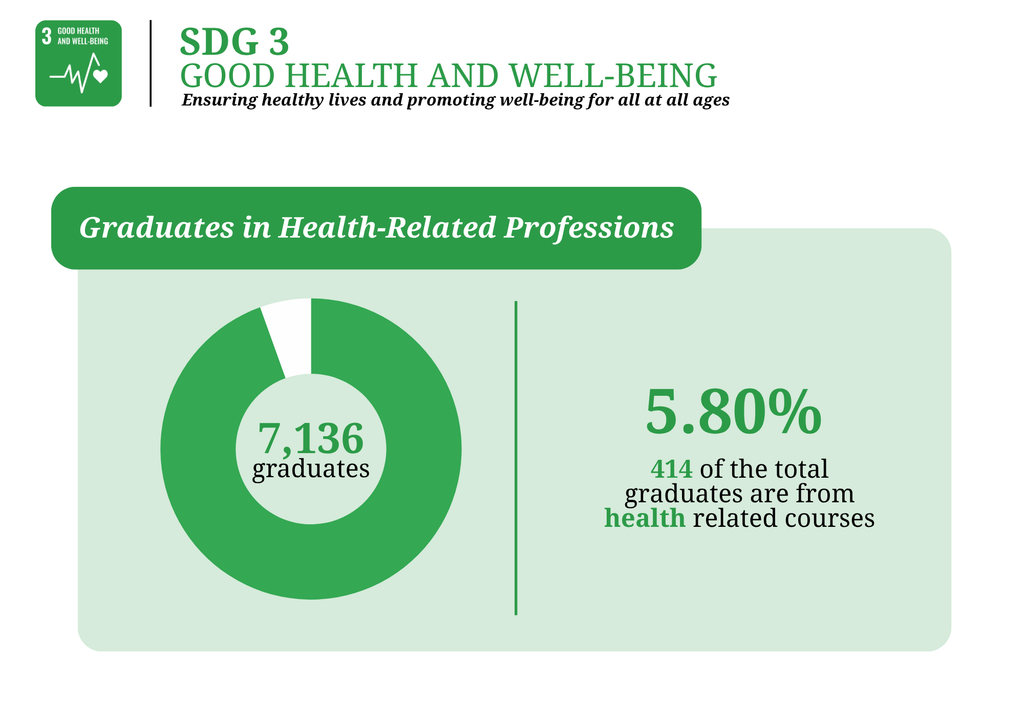
Isabela State University recorded a total of 7,136 graduates, of whom 414 completed programs in health-related professions, representing approximately 5.80% of the University’s overall graduate population. ISU offers health-related academic programs, including the Bachelor of Science in Nursing (BS Nursing), Bachelor of Science in Midwifery (BS Midwifery), and Bachelor of Science in Psychology (BS Psychology). The University also offers the Doctor of Medicine (MD) program, with its first batch of graduates expected in 2027.
Through these academic programs, ISU contributes to developing a skilled workforce equipped with the knowledge and competencies needed to support healthcare delivery, promote public health, and address community health needs. Its graduates are prepared to contribute to healthcare services, disease prevention, health education, and the overall well-being of communities. The University’s health-related educational offerings and graduate output demonstrate its contribution to strengthening human resources for the health sector and advancing SDG 3 (Good Health and Well-Being).
COLLABORATIONS AND HEALTH SERVICES
Current Collaborations with Health Institutions
Isabela State University (ISU) strengthens its commitment to promoting health and well-being through partnerships with government institutions and public-sector organizations. Recognizing the importance of physical fitness, proper nutrition, and mental health in maintaining a healthy and productive workforce, the University extends its expertise through community-based health and wellness programs that address the needs of public servants, educators, and youth development personnel.
On November 19, 2025, ISU and the Schools Division Office (SDO) of Santiago City formalized their partnership through a Memorandum of Agreement (MOA) for the implementation of the project “Physical Wellness Program Among LGU – Santiago City Employees, DepEd Teachers, and LYDO of Santiago City.” The agreement was signed by ISU President Dr. Boyet L. Batang and Schools Division Superintendent Mr. Alfredo B. Gumaru, Jr., establishing a collaborative framework for delivering health and wellness interventions to the target beneficiaries.
Led by Project Leader Dr. Jonathan L. Roque, together with Study Leaders Dr. Mark Bennette Ulep, Mr. Jhan Micheal Hiloma, Dr. Martina R. Peñalber, and Mr. Jade C. Marcos, the initiative integrates several components addressing physical, nutritional, and psychosocial well-being. These include physical activity exercises and dance literacy to encourage active lifestyles; specialized physical activity programs for DepEd MAPEH teachers and LGU personnel; injury prevention and risk management sessions; health and nutritional awareness activities; and psychosocial and mental health support to help participants manage workplace stress and prevent burnout.
Through this collaboration, ISU brings its academic and professional expertise beyond the University to support the health needs of government employees, teachers, and youth development personnel. The partnership provides a structured platform for delivering health education, promoting preventive practices, and strengthening awareness of physical and mental well-being in the workplace. These efforts demonstrate the University’s contribution to building healthier and more resilient public-sector workforces and advancing SDG 3 (Good Health and Well-Being).



Health Outreach Programmes
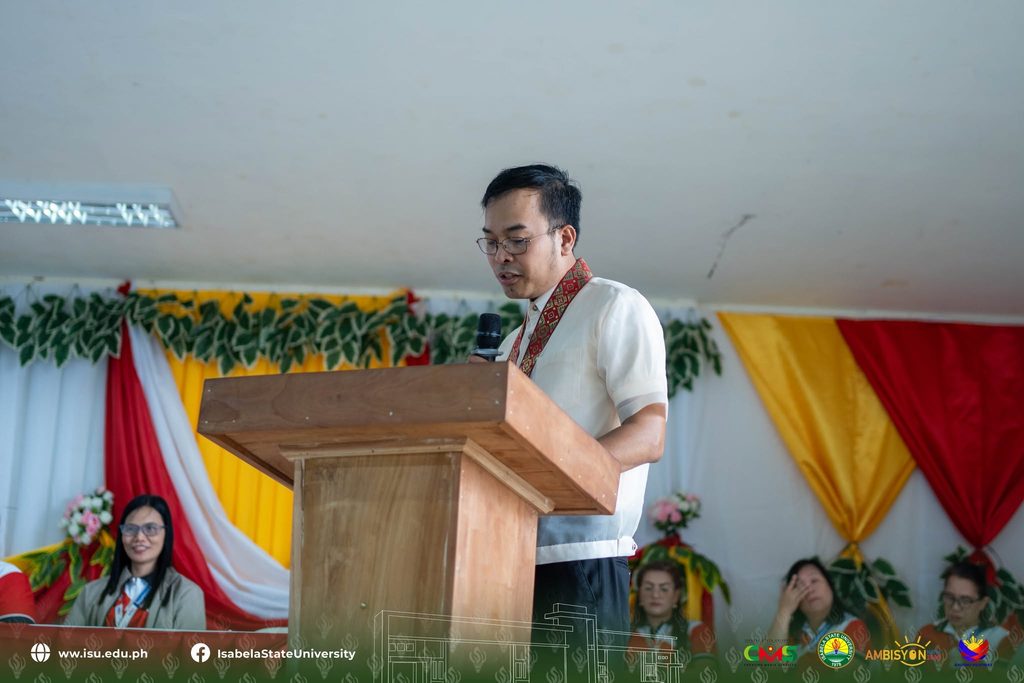
Public health and sustainable growth are fundamentally linked to societal advancement. Fulfilling Sustainable Development Goal 3 (Good Health and Well-Being) demands that higher education institutions look beyond classroom instruction and extend their knowledge, capacity, and resources directly to the grassroots level. By delivering responsive extension programs and building active partnerships with local government units, barangays, basic education schools, and rural health centers, universities play a critical role in promoting health equity, preventing disease, and elevating the quality of life across diverse communities. Demonstrating its commitment to this strategic mandate, Isabela State University (ISU) actively drives comprehensive extension programs and outreach projects designed to promote holistic community health and well-being.
Recognizing that public health solutions must be tailored to actual local needs, the University mobilizes its faculty, staff, and student volunteers to conduct targeted education campaigns and community-based health activities. These grassroots interventions address critical areas of wellness, including personal hygiene, environmental sanitation, optimal nutrition, maternal and child healthcare, responsible family planning, disease prevention, mental health advocacy, and healthy lifestyle promotion.
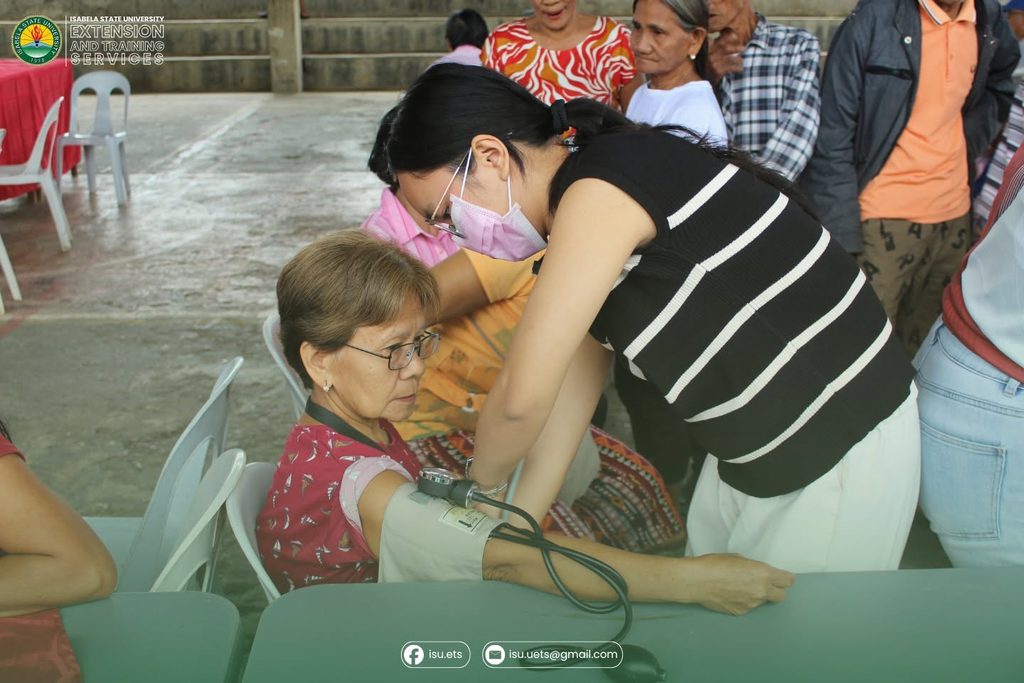
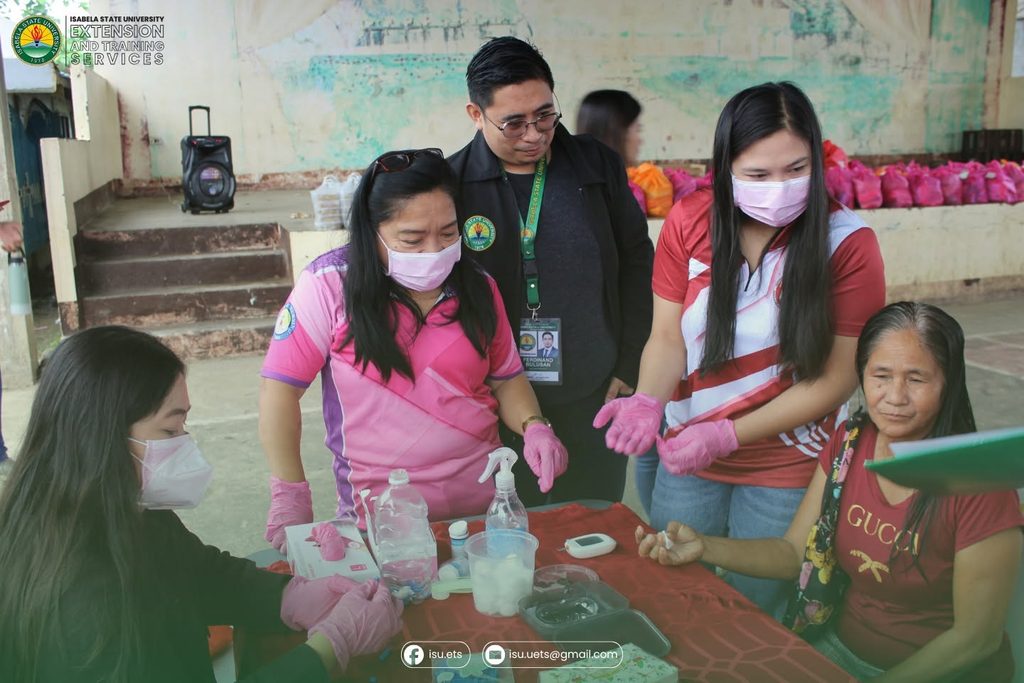
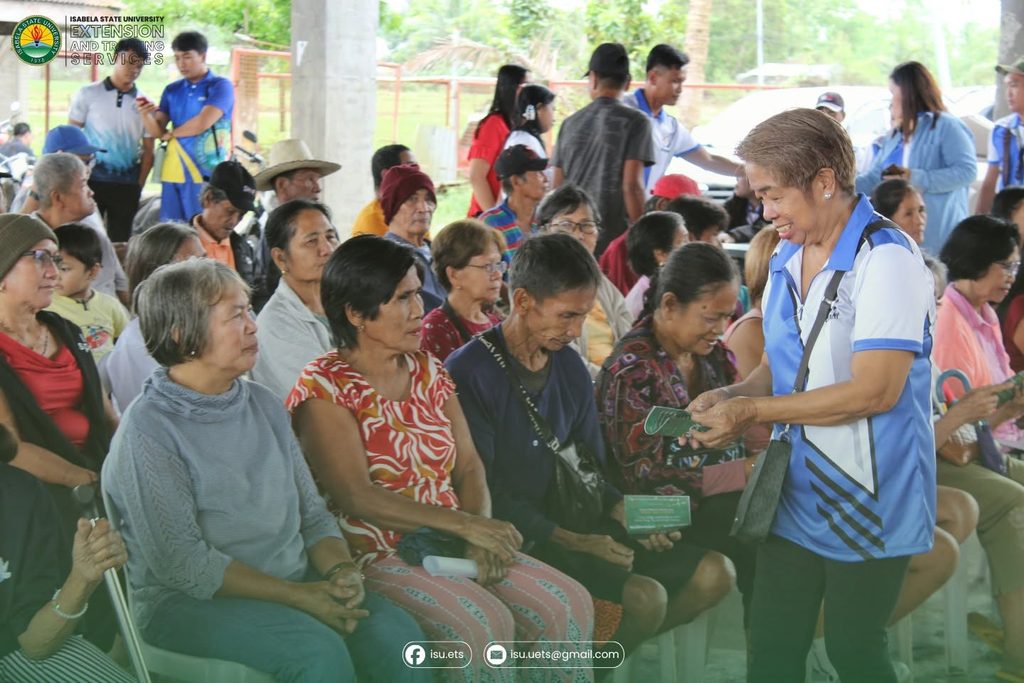

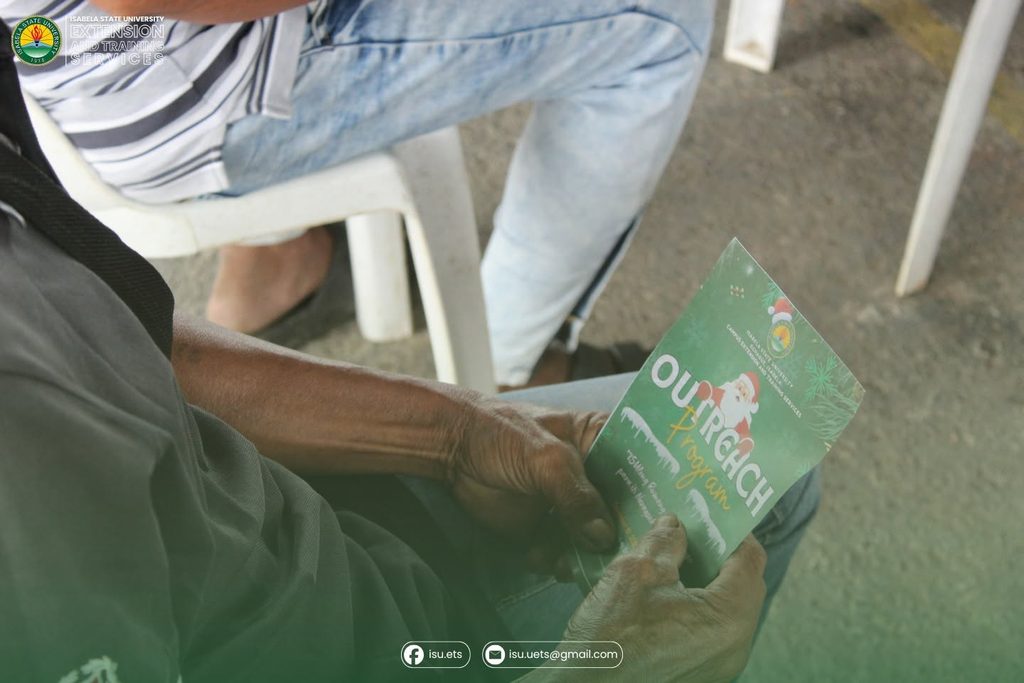
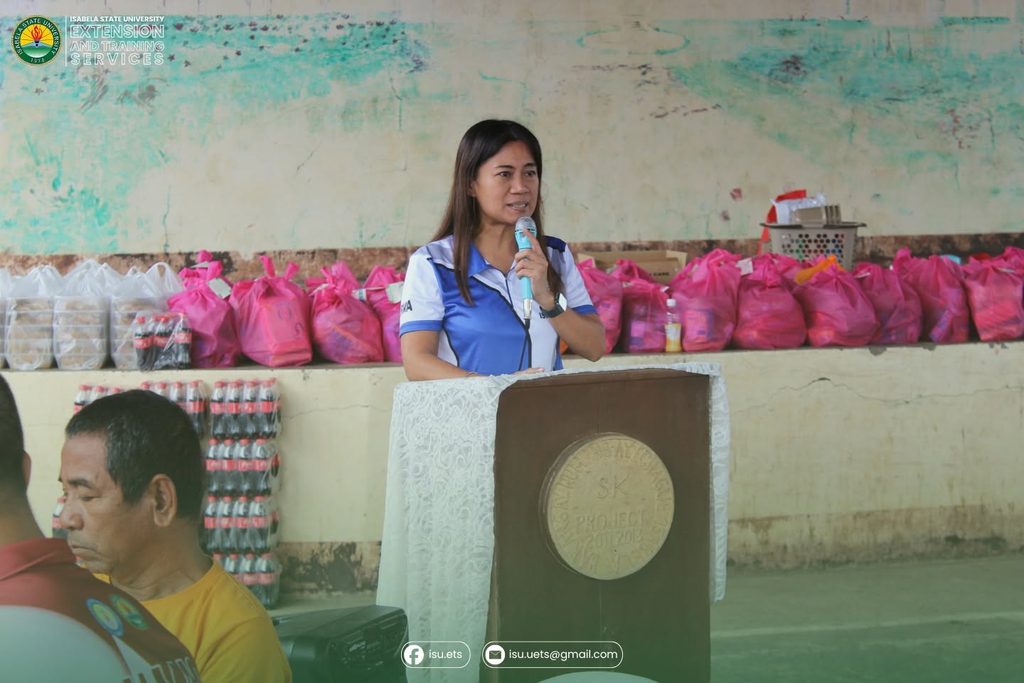
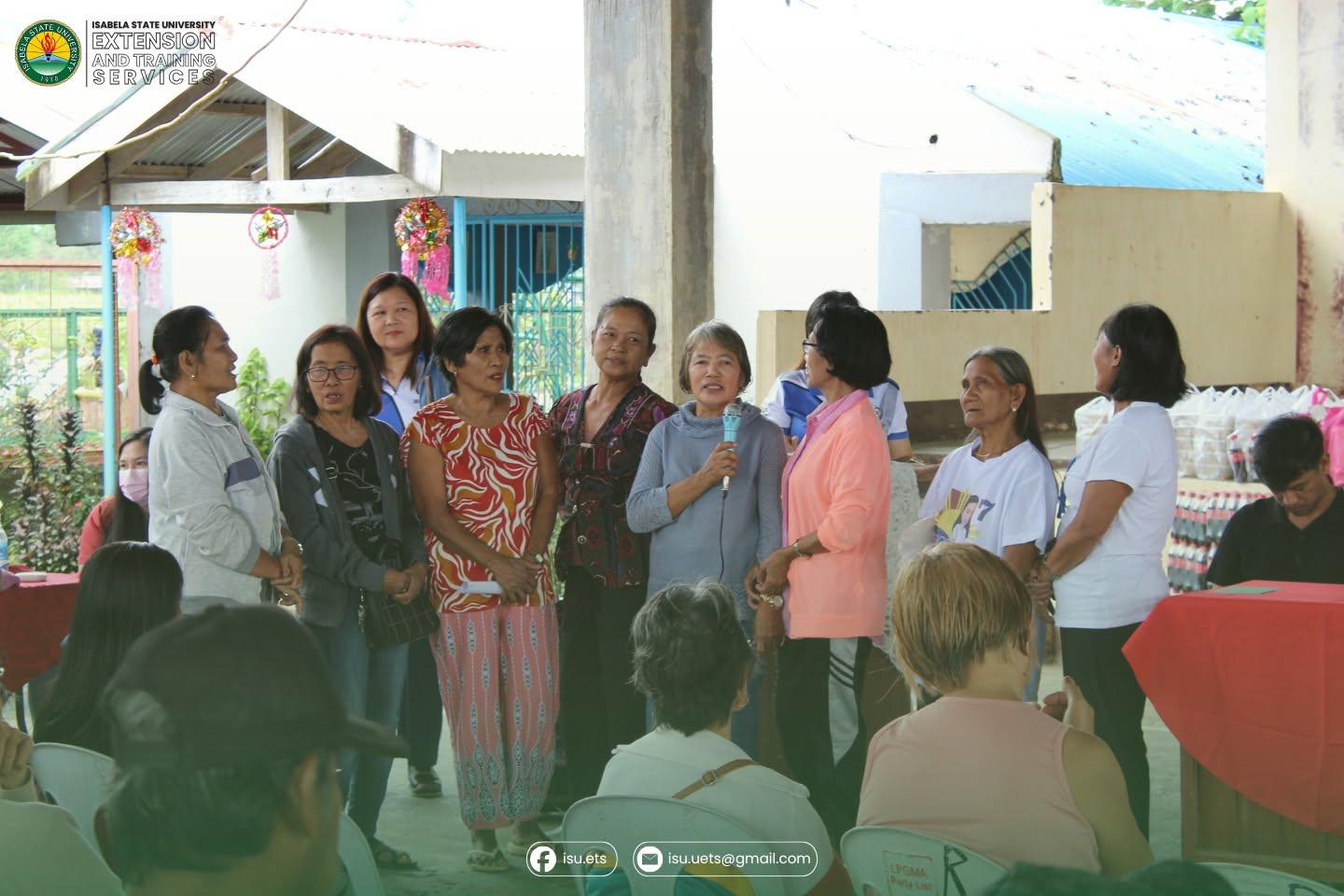
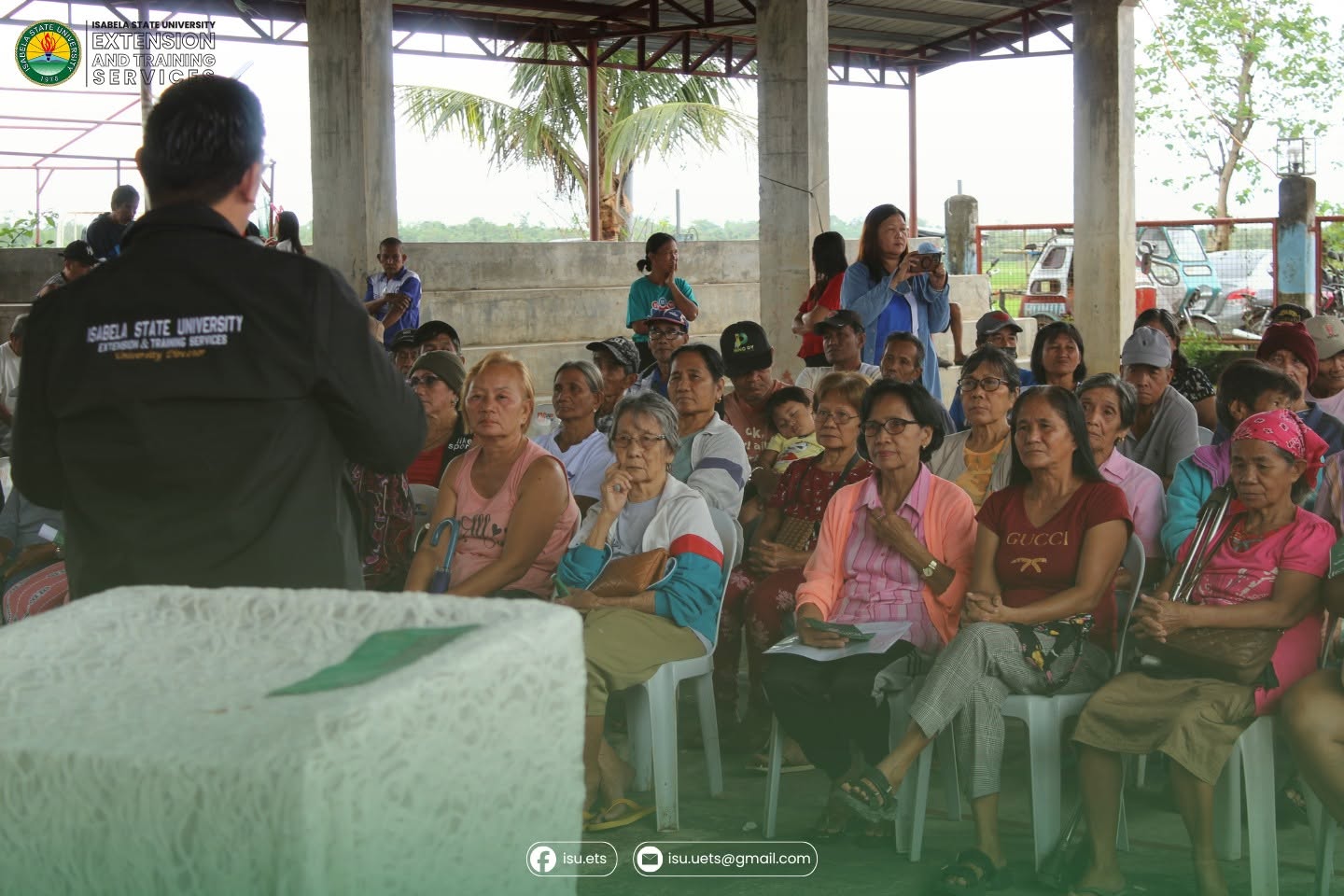
At the core of ISU’s outreach framework is a commitment to supporting individuals across all stages of life. The University regularly organizes structured physical fitness activities to encourage active living among youth and adults, alongside dedicated health programs tailored for older persons to foster healthy aging and long-term vitality. Highlighting this dedication to healthy aging, the Echague Campus—with the active support of the University Extension Office—recently spearheaded a targeted outreach initiative that directly benefited 86 elderly residents of Brgy. Rumang-ay, Echague, Isabela. Through integrated initiatives—such as preventive health screenings and referral services, community health teaching, hands-on nutrition education, environmental clean-up drives, and student-led volunteer services—ISU translates academic expertise into tangible public health actions.
By combining institutional capability with active community participation, Isabela State University continues to reinforce its role as a key driver of regional development. Through these sustained outreach efforts, ISU equips individuals with essential health literacy, encourages positive wellness practices, and strengthens local health networks, contributing significantly to building healthier, safer, and more resilient communities for present and future generations.
Access to Shared Sports Facilities
True to its mandate of serving not just its students but also the wider public, Isabela State University (ISU) has taken a proactive step in opening its sports facilities to the local community. This move reflects the university’s vision of inclusivity, wellness, and collaboration, making ISU a hub not only for learning but also for physical development and social cohesion.
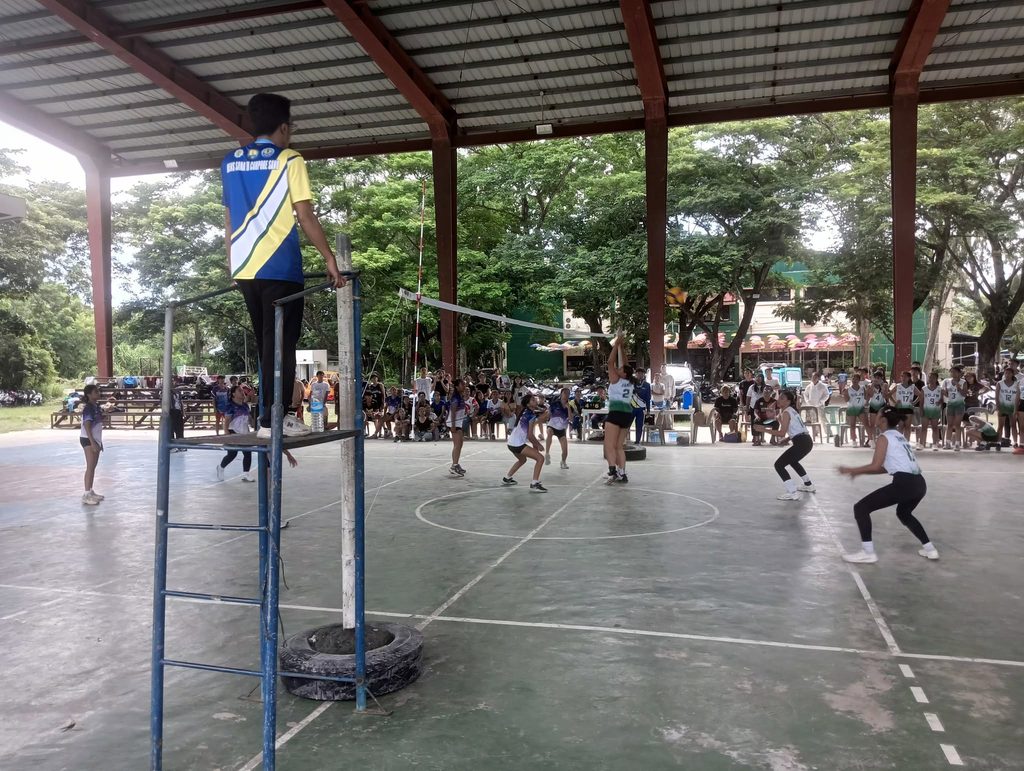
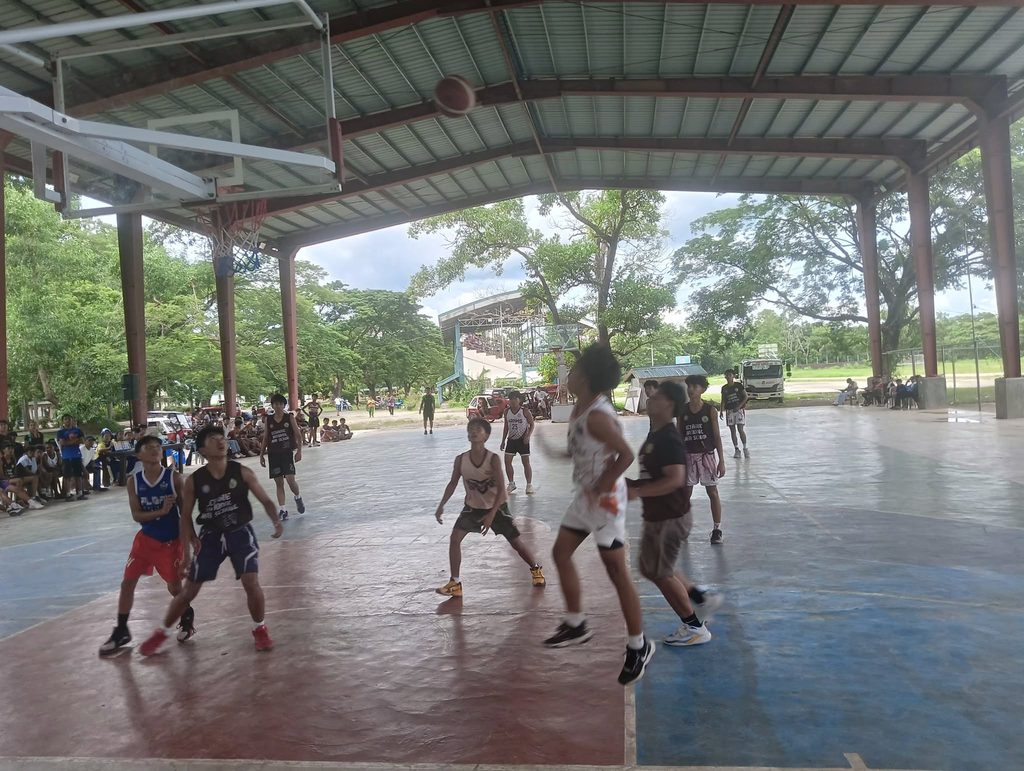
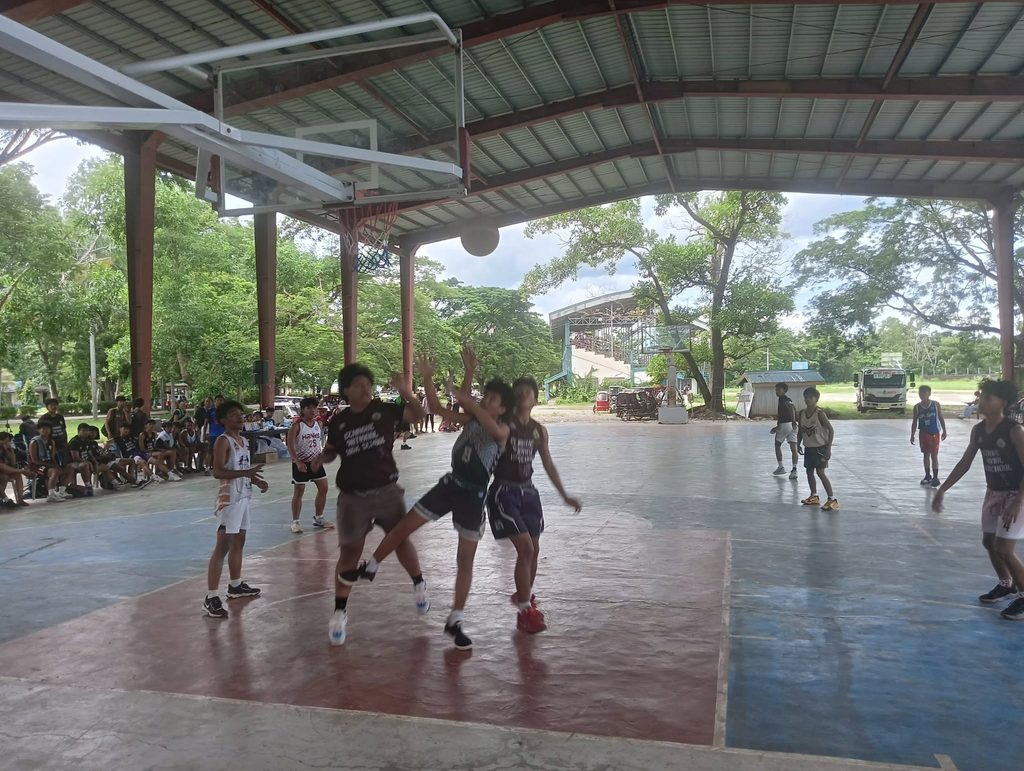
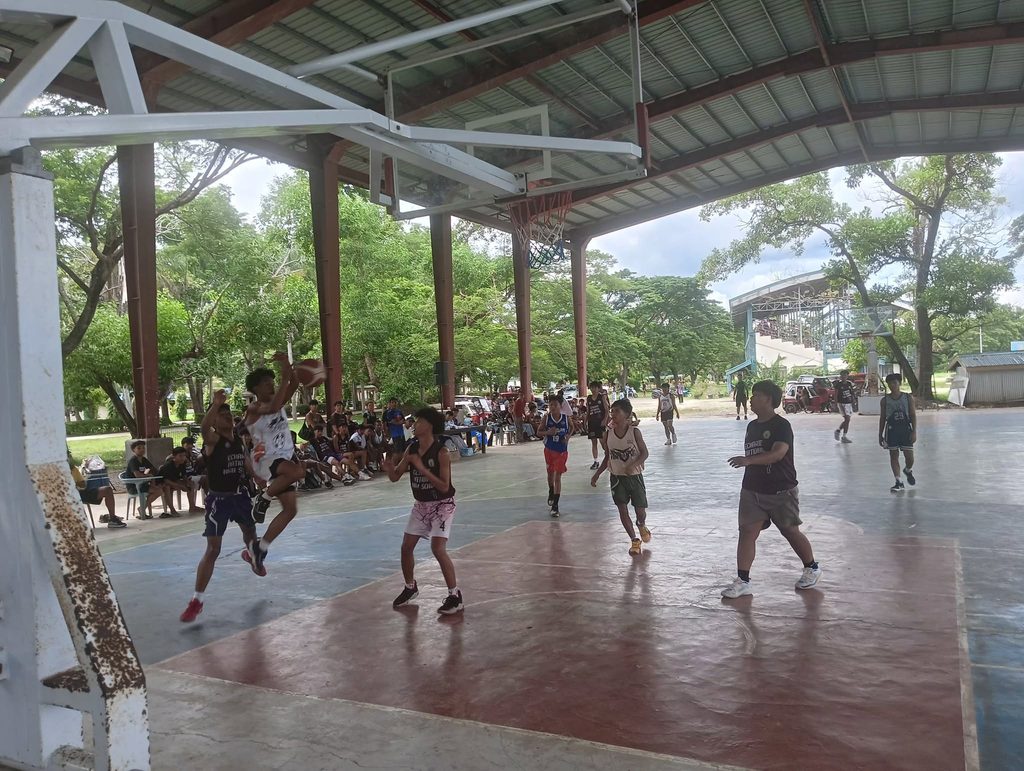
The university’s sports facilities, which includes a variety of facilities such as a multi-purpose gymnasium, basketball and volleyball courts, a football field, a track and field oval, and fitness areas, is now accessible to members of the surrounding community, including youth groups, local athletes, non-student residents, and even senior citizens.
By opening campus infrastructure and fostering collaborative spaces for active living, universities play a pivotal role in promoting physical fitness, mental resilience, and social cohesion across diverse populations.
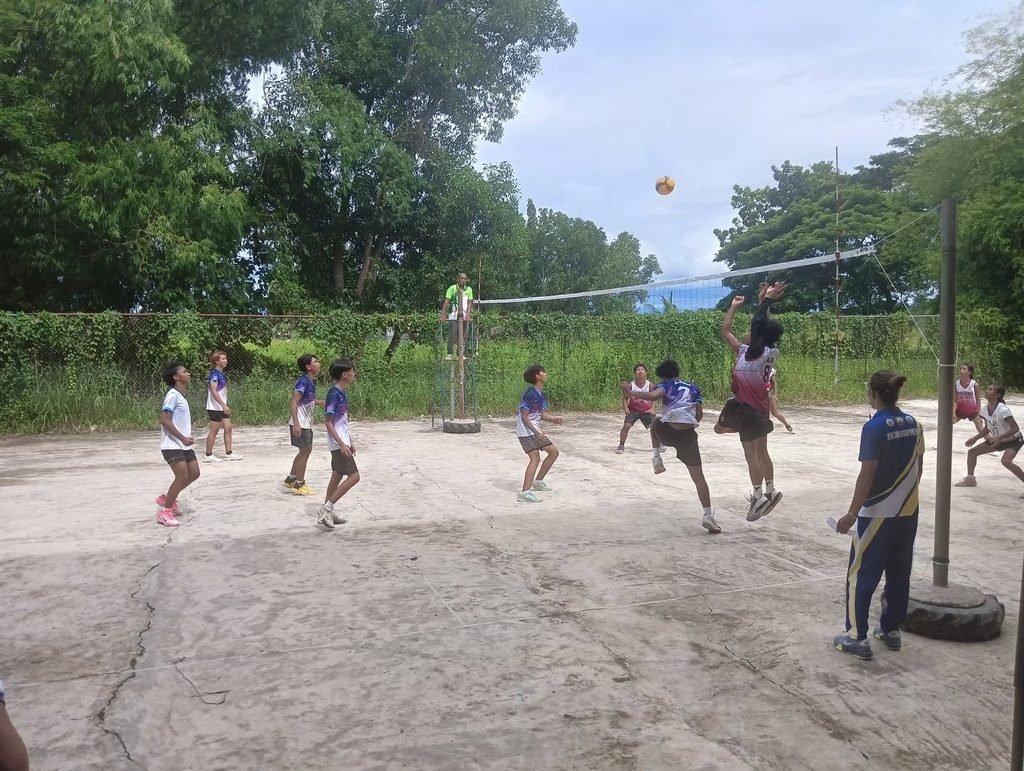
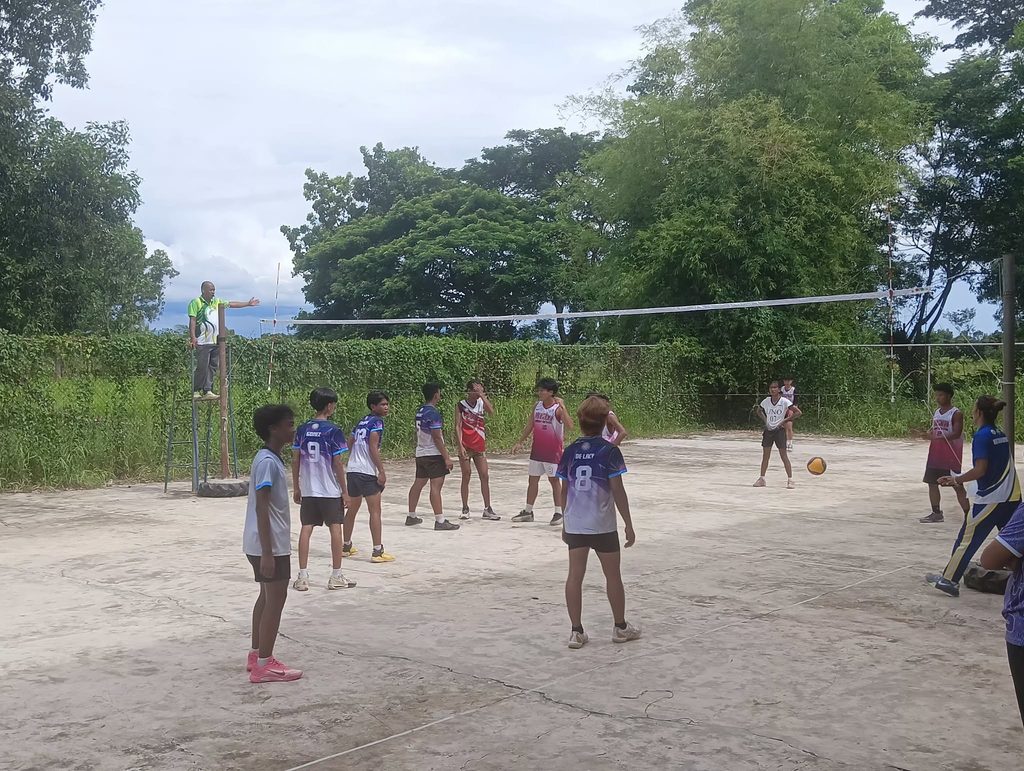
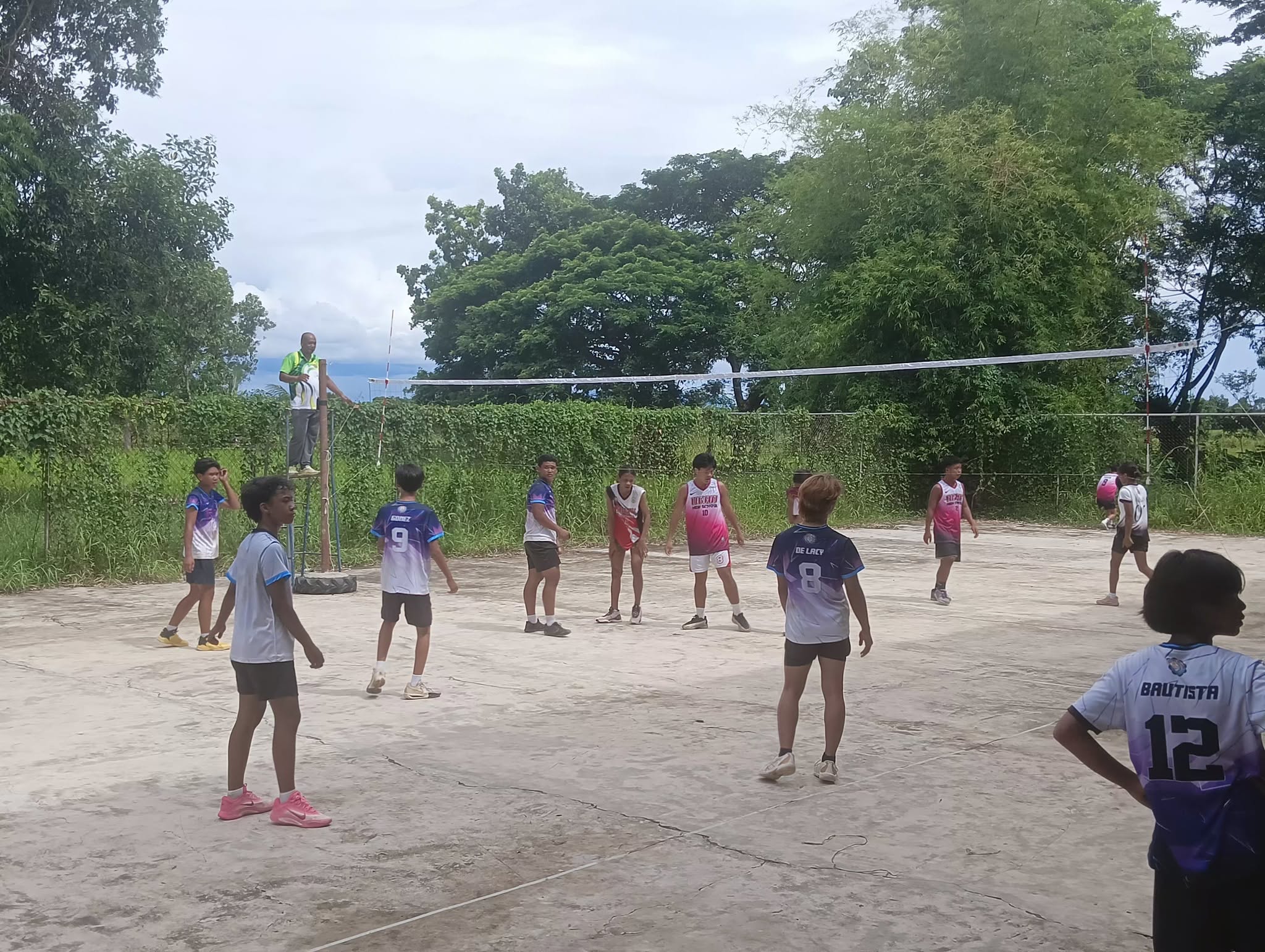
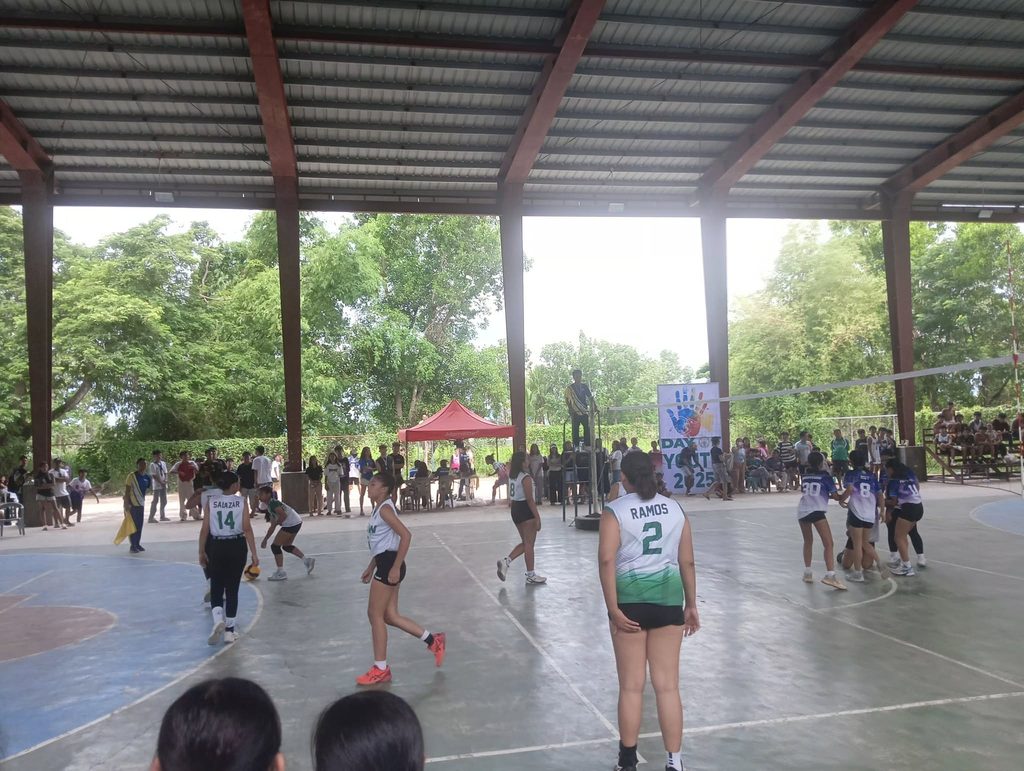
On August 16, 2025, the ISU Echague open gymnasium became a vibrant hub of movement and fellowship as young athletes gathered to celebrate the Day of Youth. The atmosphere was charged with competitive energy and community spirit, highlighting how access to shared sports facilities serves as a vital, yet often overlooked, determinant of public health. By opening its courts to the youth, ISU provides more than just a venue for play—it establishes a foundational ground where young individuals strengthen their physical health, personal discipline, and collective well-being.
At the core of ISU’s community framework is the belief that health is a public good and higher education carries a public duty. As a state university, ISU recognizes that its institutional mission extends well beyond academic instruction to include serving the broader community. Opening campus facilities for physical activity, sports tournaments, and shared youth experiences directly aligns institutional resources with the core objectives of SDG 3. True education must nurture both body and mind, instilling the active habits necessary for individuals and communities to thrive over the long term.
By bridging campus resources with active youth participation, Isabela State University reinforces its role as a vital partner in regional development. Events like the 2025 Day of Youth demonstrate that ISU does not merely advocate for Sustainable Development Goal 3—it actively enacts it. Through shared facilities and inclusive sports programs, the University transforms its physical spaces into centers of health promotion, helping build a stronger, healthier, and more resilient generation.
Access to Sexual and Reproductive Health Care Services for Students
Isabela State University (ISU) demonstrates a strong commitment to the sexual and reproductive health of its students, recognizing that these services are integral to their overall well-being and academic success. The university actively works to de-stigmatize discussions surrounding sensitive topics such as sexual orientation, gender identity, and reproductive rights, fostering an environment of open and respectful dialogue between students and educators. This approach ensures that students feel comfortable seeking help and making informed decisions about their health, whether it involves routine care or addressing personal difficulties.
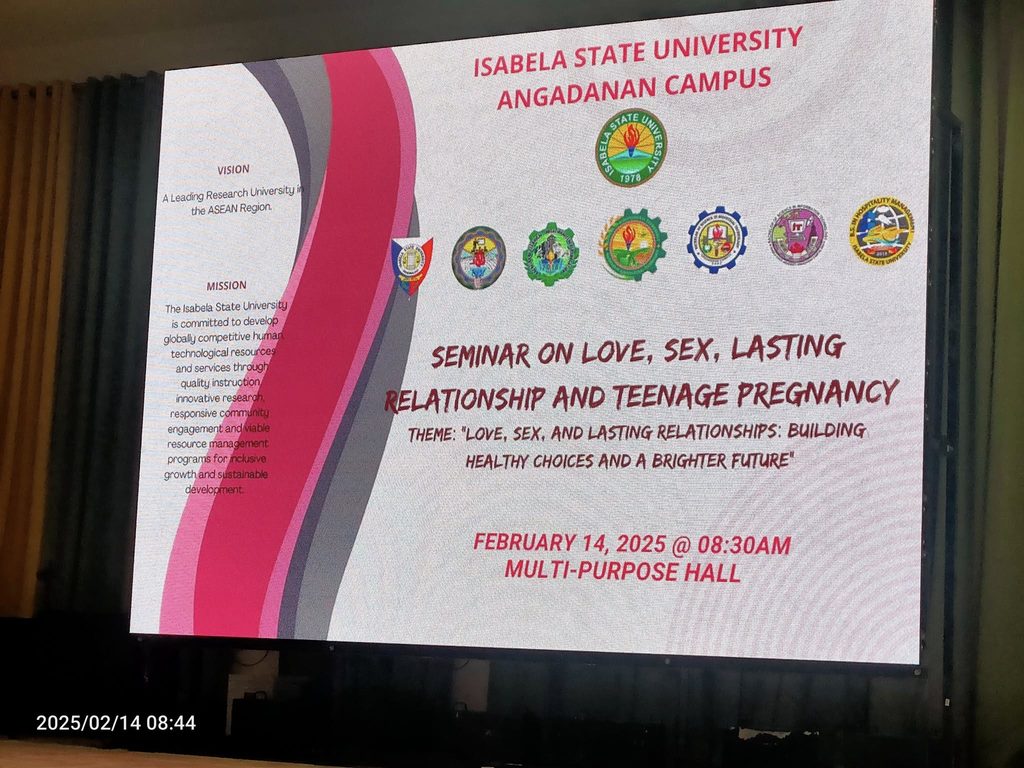
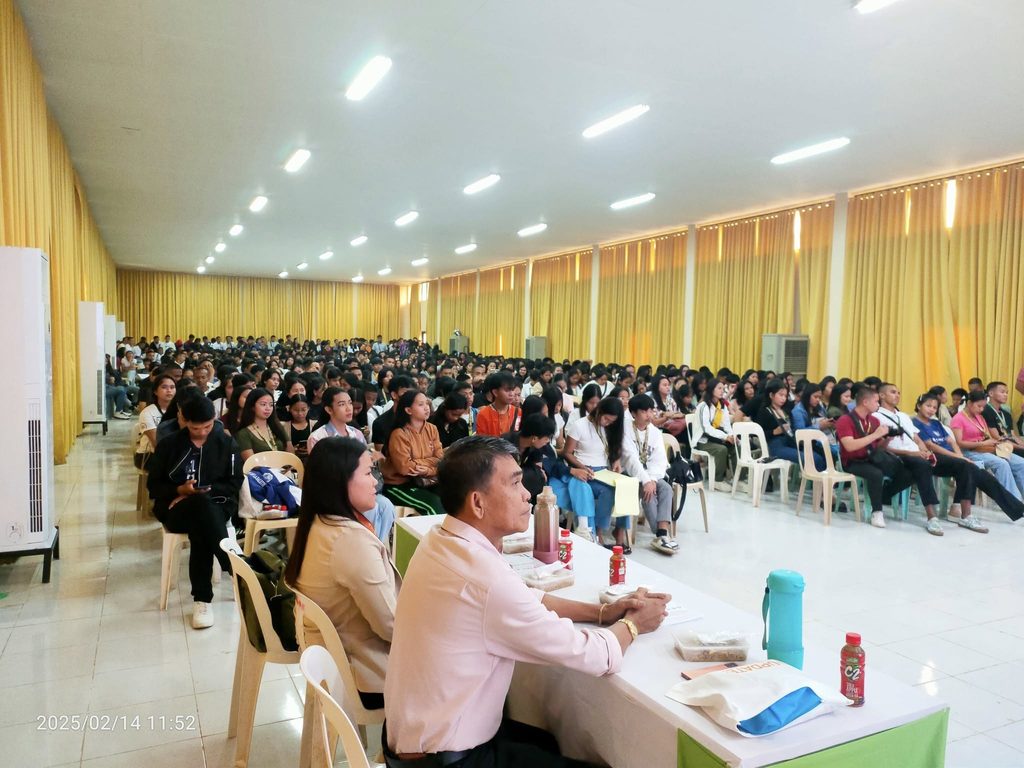
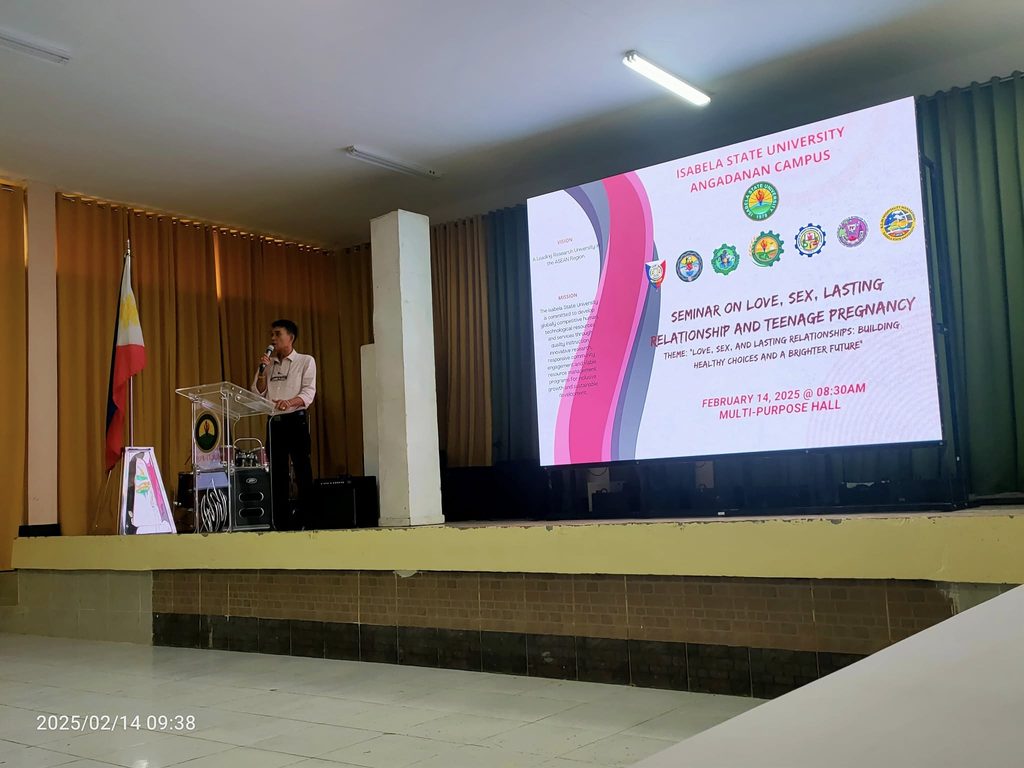
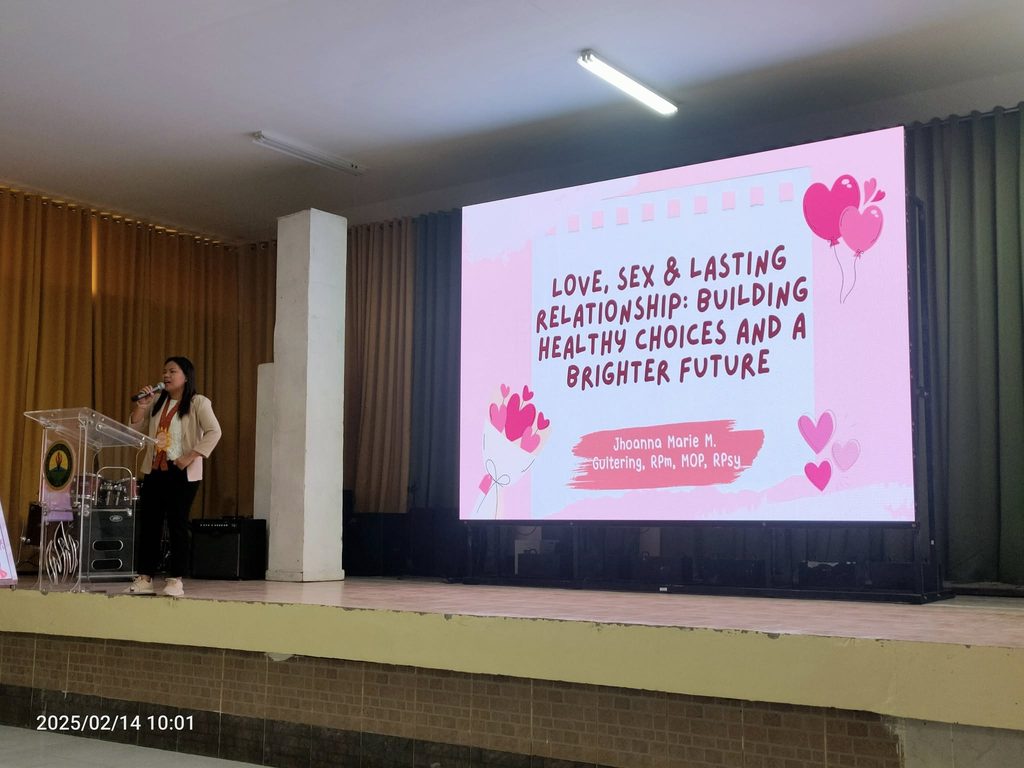
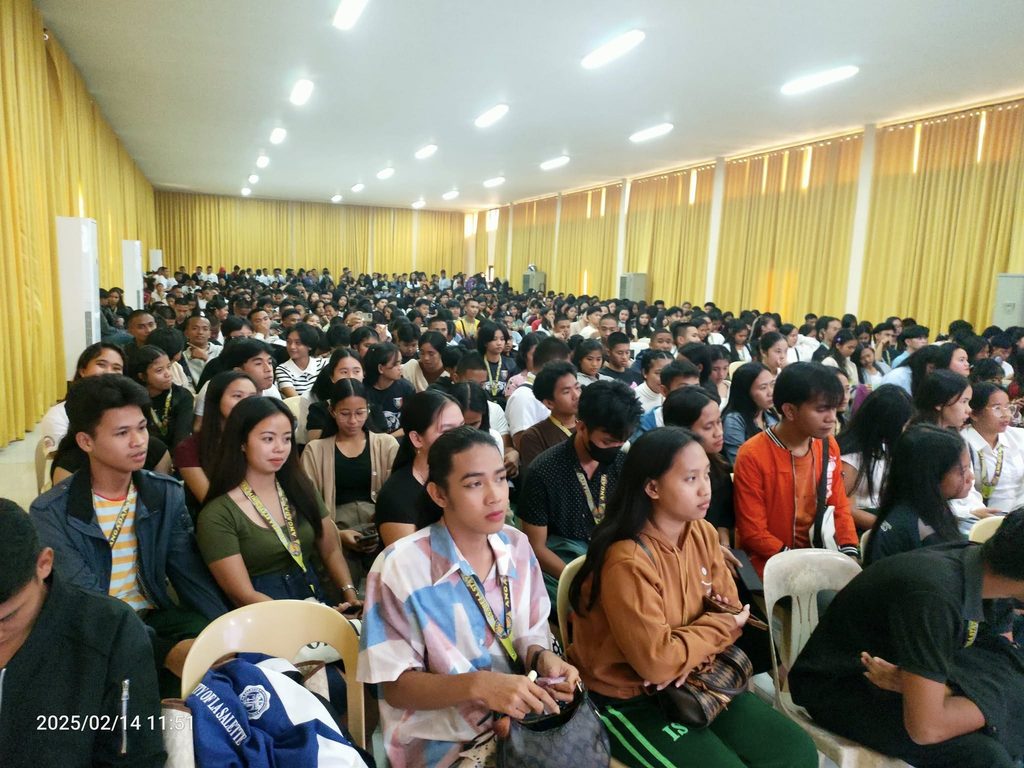
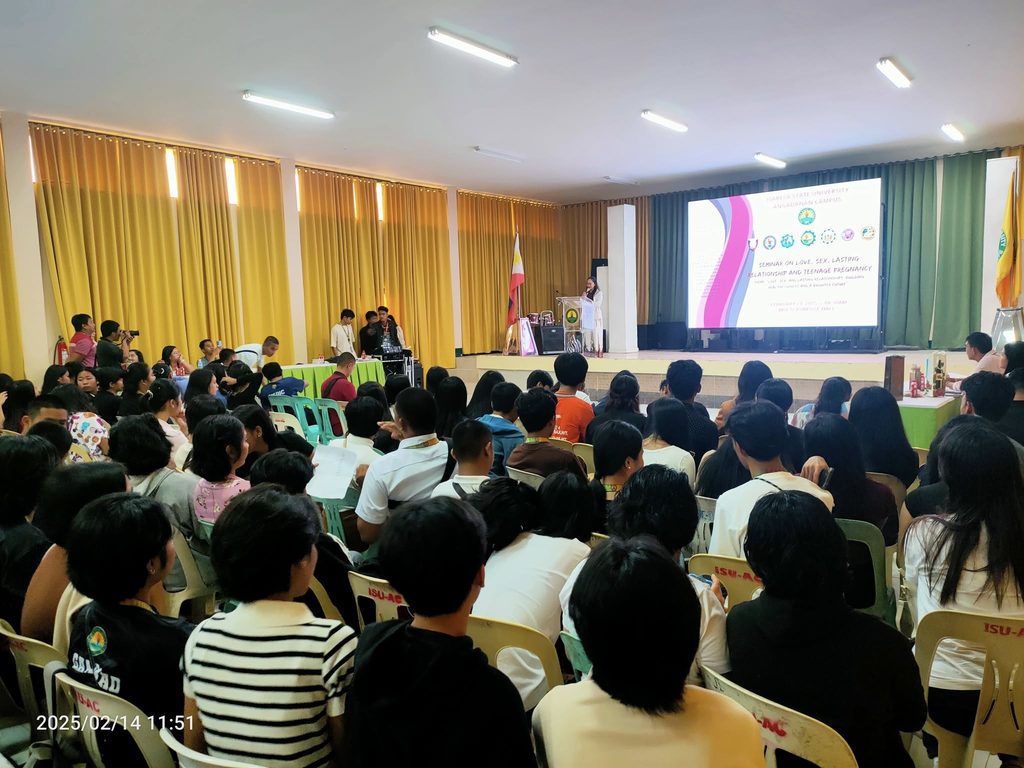
The University, in active partnership with the local Rural Health Unit (RHU), confirms that the university provides students with sexual and reproductive health-care-related services, including essential information and education. Through the
Valentine’s Day–themed seminar titled “Love, Sex, Lasting Relationships, and Teenage Pregnancy”, hosted at the Angadanan Campus’ Multipurpose Hall, the institution delivered targeted, evidence-based reproductive health education directly to its student body. With RHU representative Mr. Rudolph Zulueta as guest speaker, the session covered teenage pregnancy—its root causes, health and educational consequences, and concrete preventive measures—alongside responsible decision-making, relationship dynamics, and personal well-being. This collaboration bridges academic and community health resources, ensuring students receive accurate, open, and accessible guidance. The event fostered active student participation, addressing peer pressure, societal expectations, and shared responsibility. The university and RHU jointly affirm commitment to ongoing youth-focused reproductive health education and awareness, recognizing these as foundational to advancing health, gender equality, quality education, and sustainable development for all learners.
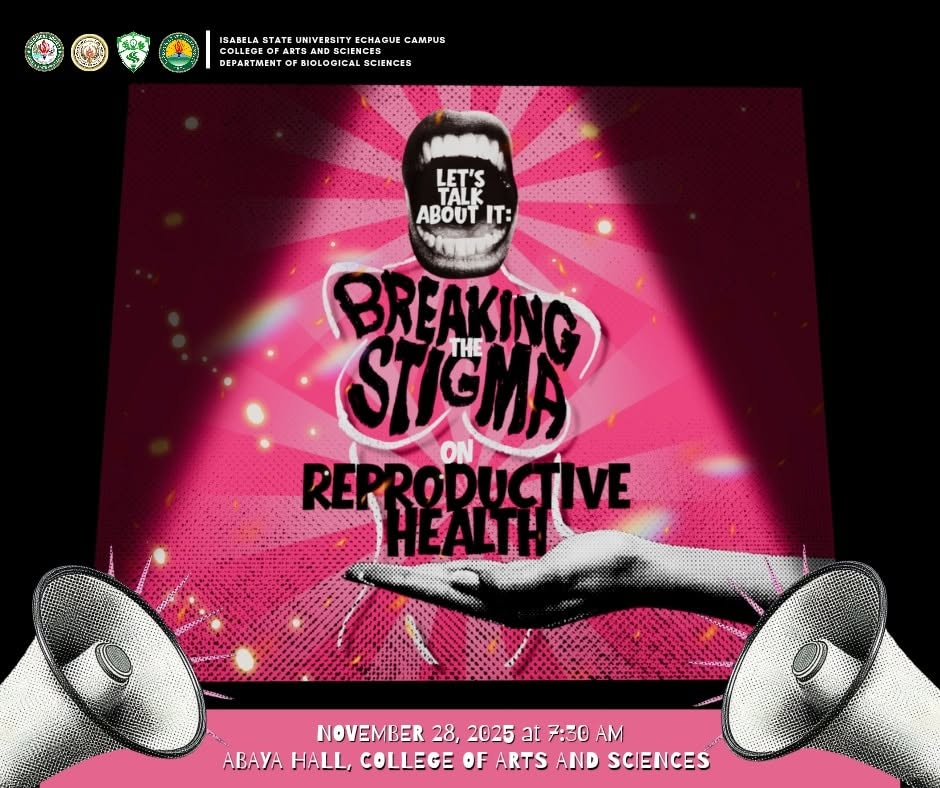
In addition, the Isabela State University, through the Department of Biological Sciences and the Biological Society, confirmed that the university actively provided students with sexual and reproductive health-care-related information and education services, advancing commitments under SDG 3. Through the seminar “Let’s Talk About It: Breaking Stigma on Reproductive Health”—organized by 4th-year BS Biology students and held on November 28, 2025, in Abaya Hall, College of Arts and Sciences—the institution delivered accessible, accurate education on bodily processes, reproductive choices, HIV awareness, and stigma reduction. Designed to foster open, respectful dialogue on sensitive topics, the event equipped learners with evidence-based knowledge to make informed, responsible decisions about their health. By creating safe spaces for discussion and prioritizing youth-led, science-grounded advocacy, the university ensured reproductive health information was openly available, countered silence and discrimination, and strengthened holistic student well-being. This initiative reflected our sustained institutional commitment to comprehensive reproductive health education as a core component of inclusive quality education, gender equality, and universal health literacy for all members of our campus community.
Mental Health Support for Students
Isabela State University (ISU) promotes student mental health and well-being through guidance and counseling services, student affairs offices, and other institutional support mechanisms. These services include individual counseling, psychological assessment and referral, stress management, peer support, and mental health awareness activities. Students experiencing emotional, psychological, academic, or personal difficulties are provided opportunities to seek assistance in a safe, confidential, and non-judgmental environment.
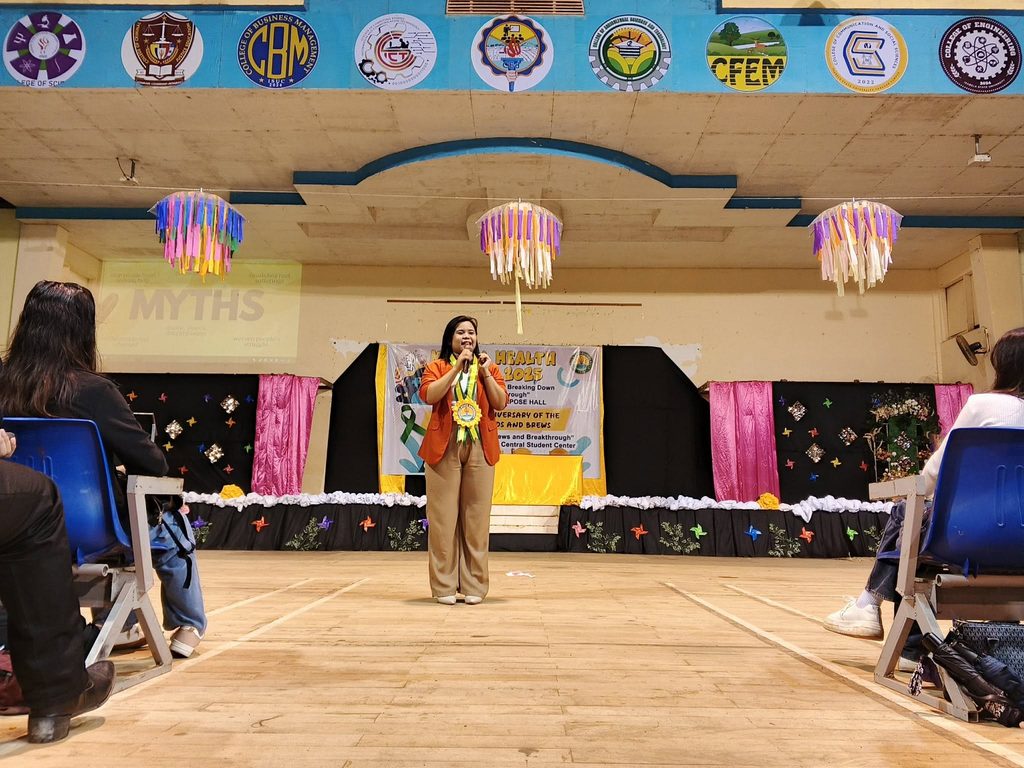
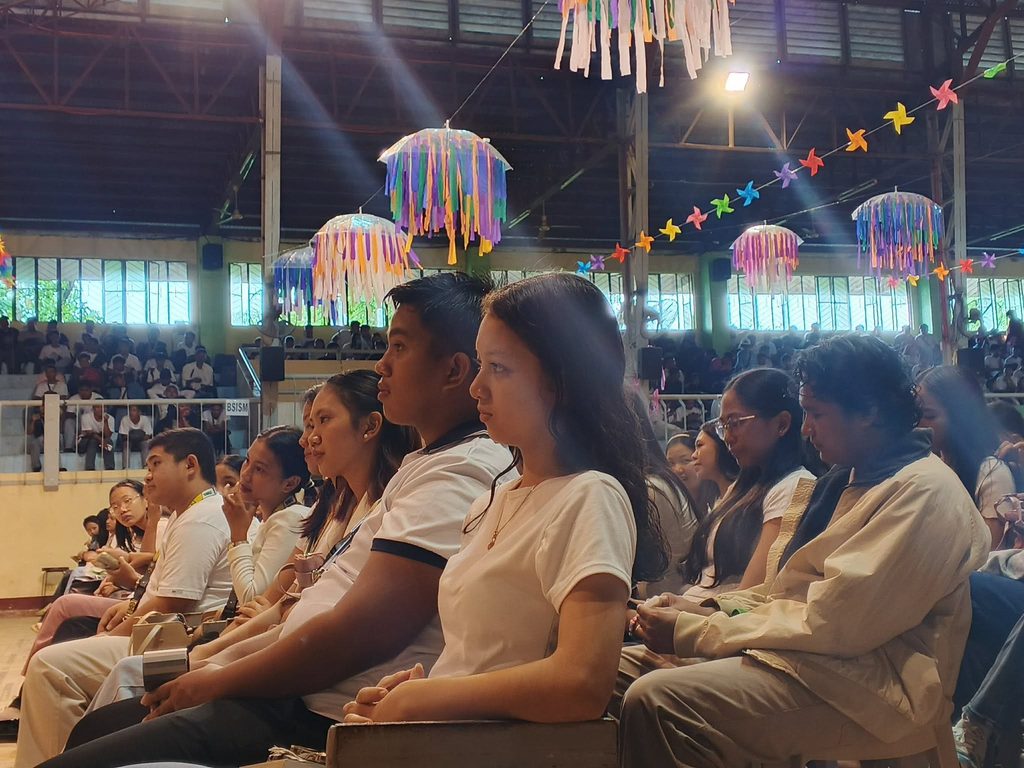
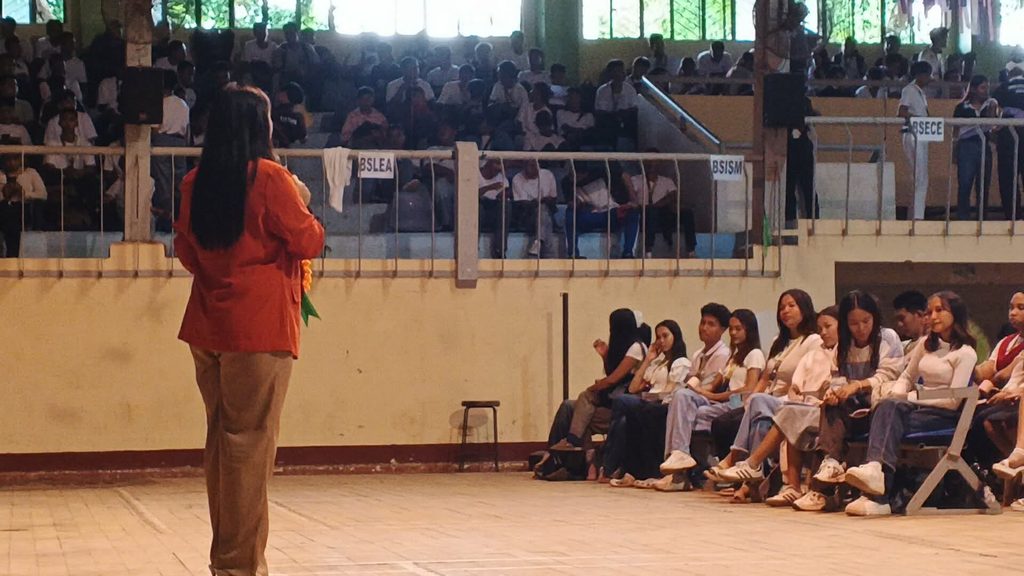
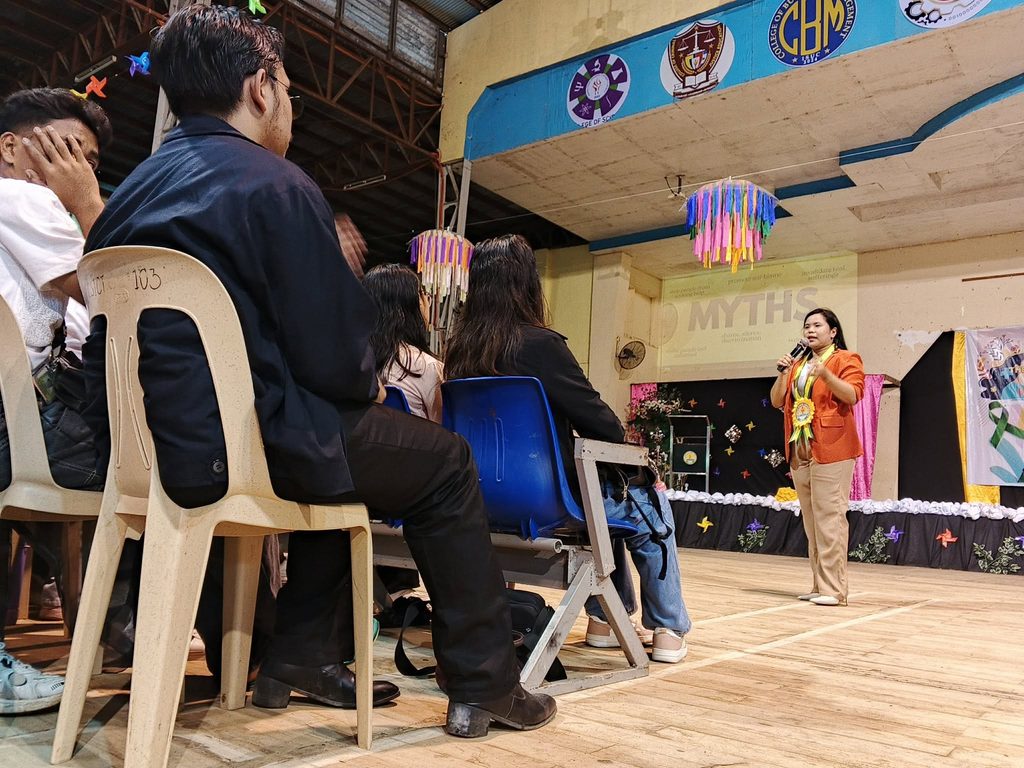
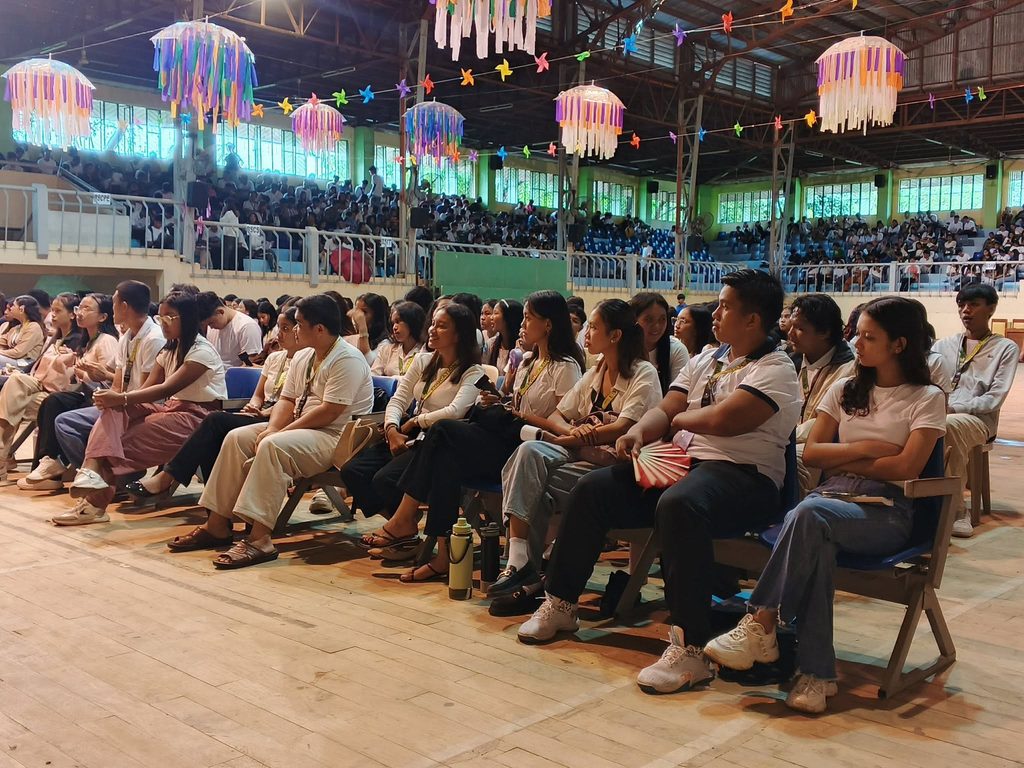
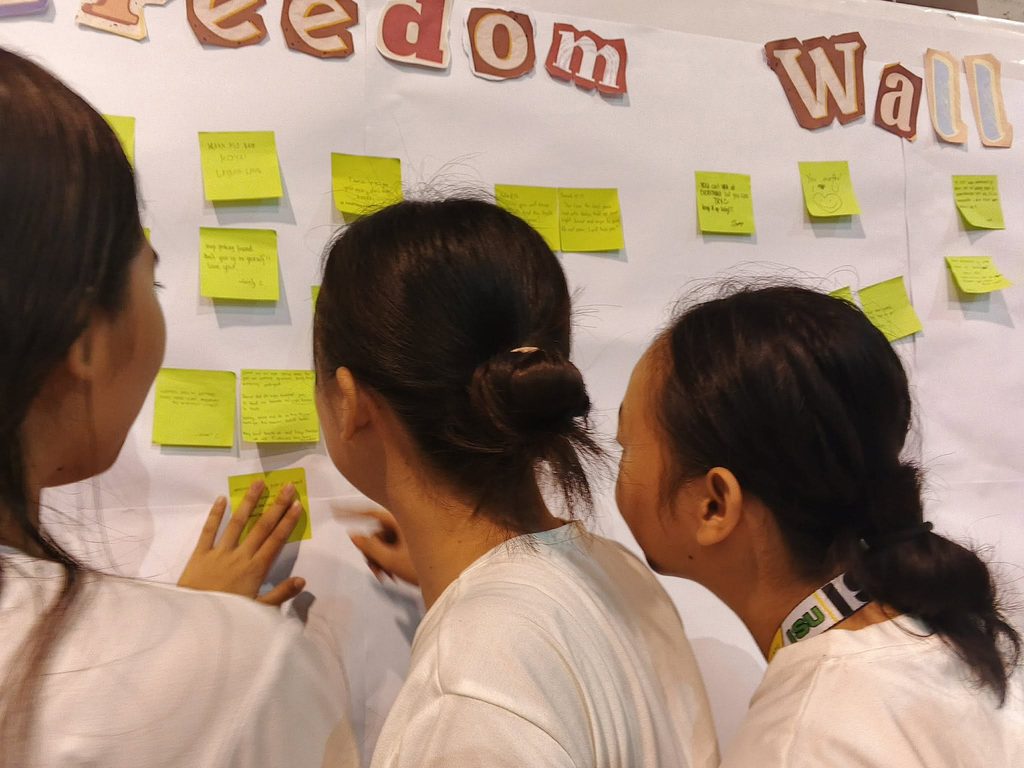
As part of its mental health advocacy, ISU Cabagan Campus conducted a Mental Health Awareness Seminar for first-year students at the Andaya Multi-Purpose Hall on September 26, in observance of Suicide Prevention Month. The seminar aimed to raise awareness, reduce stigma surrounding mental health concerns, provide information on available support resources, and encourage students to prioritize their well-being. It also emphasized the importance of recognizing mental health concerns and seeking timely and appropriate assistance.
Complementing these efforts, the University implements activities that promote emotional resilience, healthy coping strategies, self-awareness, and positive relationships among students. Through collaboration among faculty members, guidance personnel, healthcare professionals, and partner agencies, ISU strengthens mental health education, early identification of concerns, and referral to appropriate support services. These initiatives contribute to a supportive and inclusive learning environment that recognizes mental health as an essential component of students’ academic, social, and personal development.
Smoke-Free Policy
Isabela State University (ISU) sustains promulgation and enforcement of “No Smoking Policy” in all its campuses. This policy extends to all buildings, facilities and grounds; It also includes a ban on the sale and advertisement of any tobacco products within the University. In fact, to ensure its implementation and compliance, Memorandum Order no. 115 s. 2019 from the office of the University President was issued and all Executive Officers of the different campuses are tasked to implement and maintain this policy. Moreover, signages have been prominently displayed in strategic locations across all ISU campuses. Through these comprehensive measures, ISU aims to cultivate a healthier and more productive environment for its entire community.
The “No Smoking Policy” of the University is pursuant to the Memorandum Circular No. 17, s. 2009 of the Civil Service Commission and Executive Order (EO) No. 26 and alignment with the national laws such as Clean Air Act and the Tobacco Regulation Act.
Mental Health Support for Staff
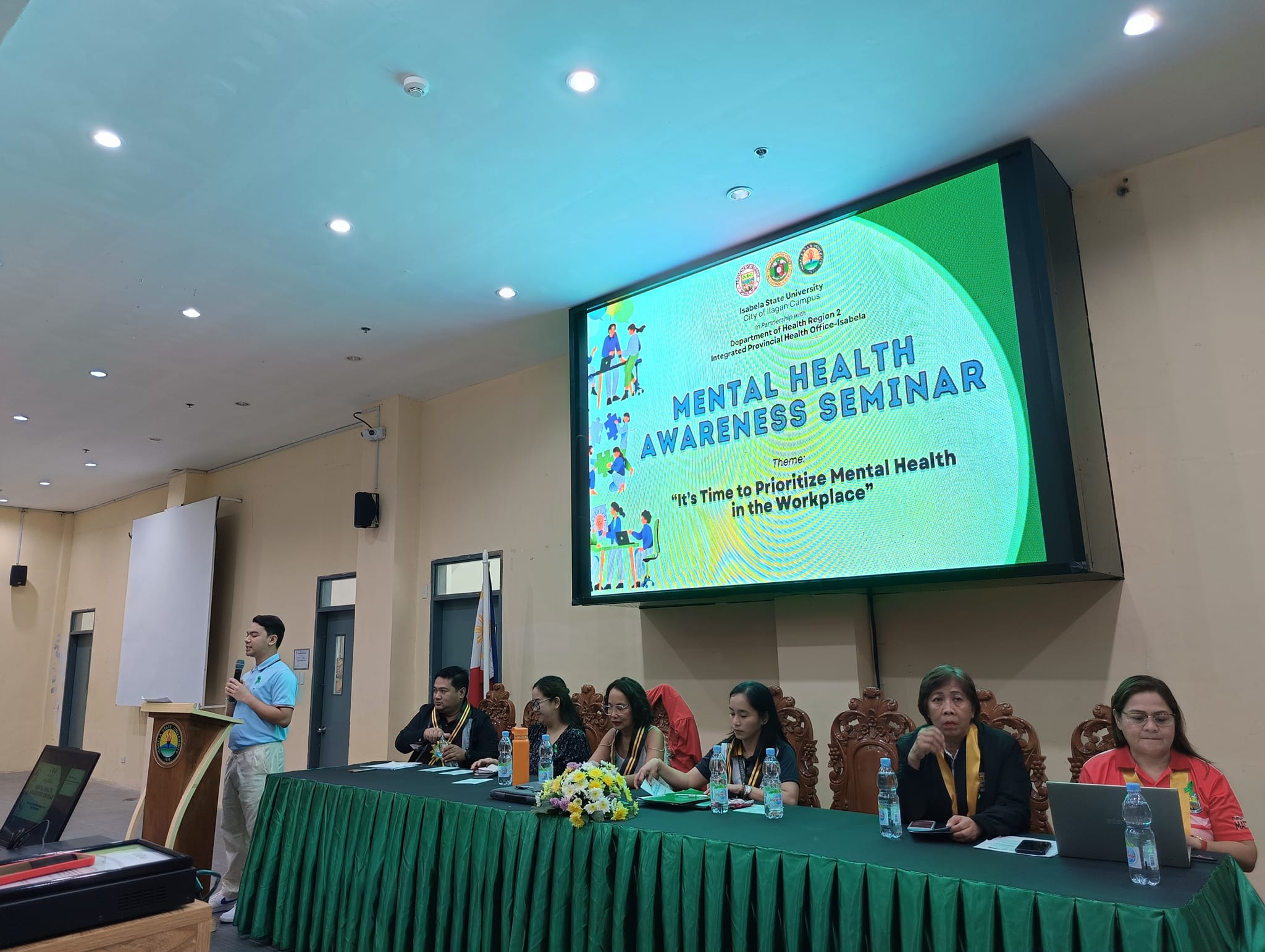
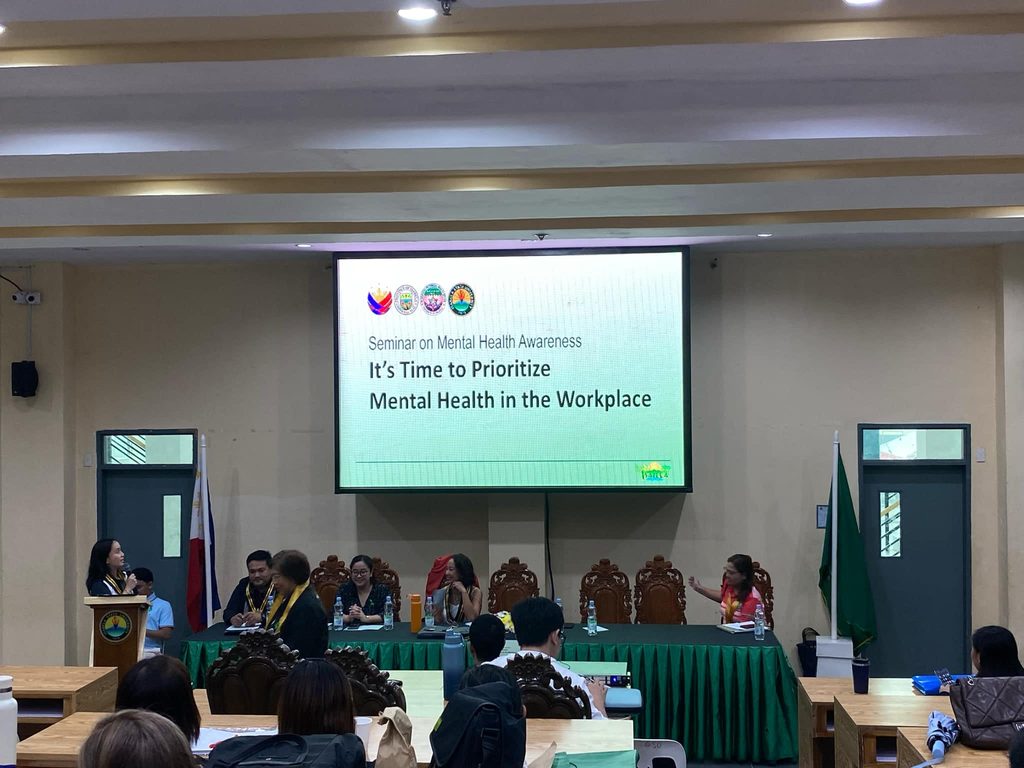
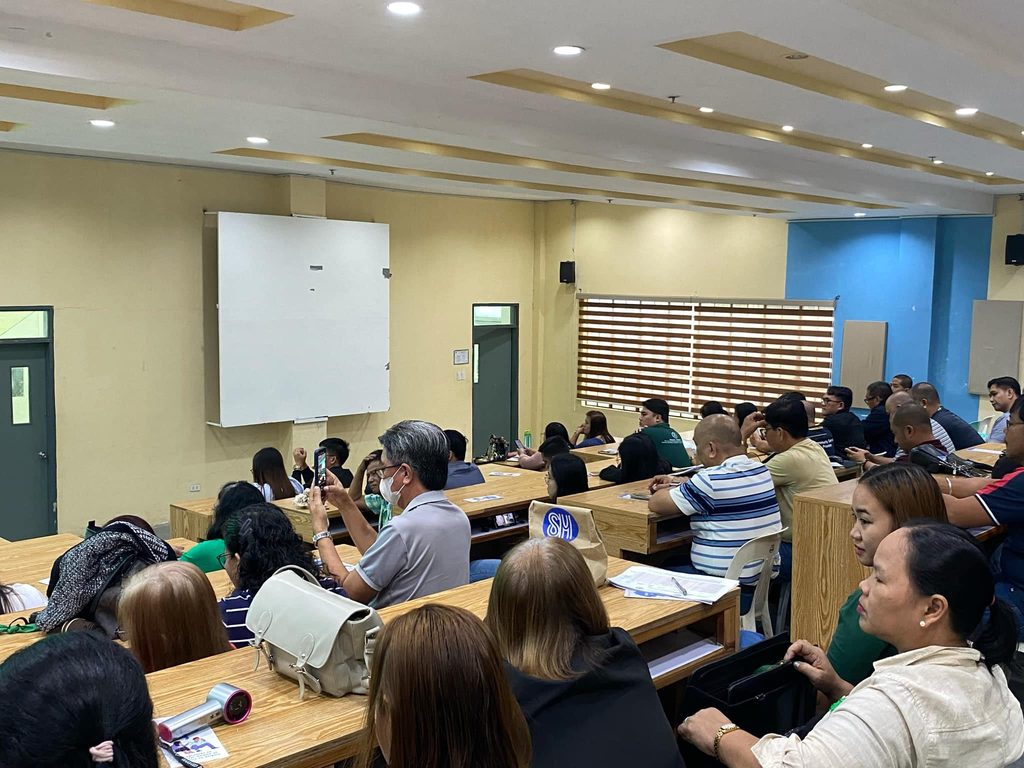
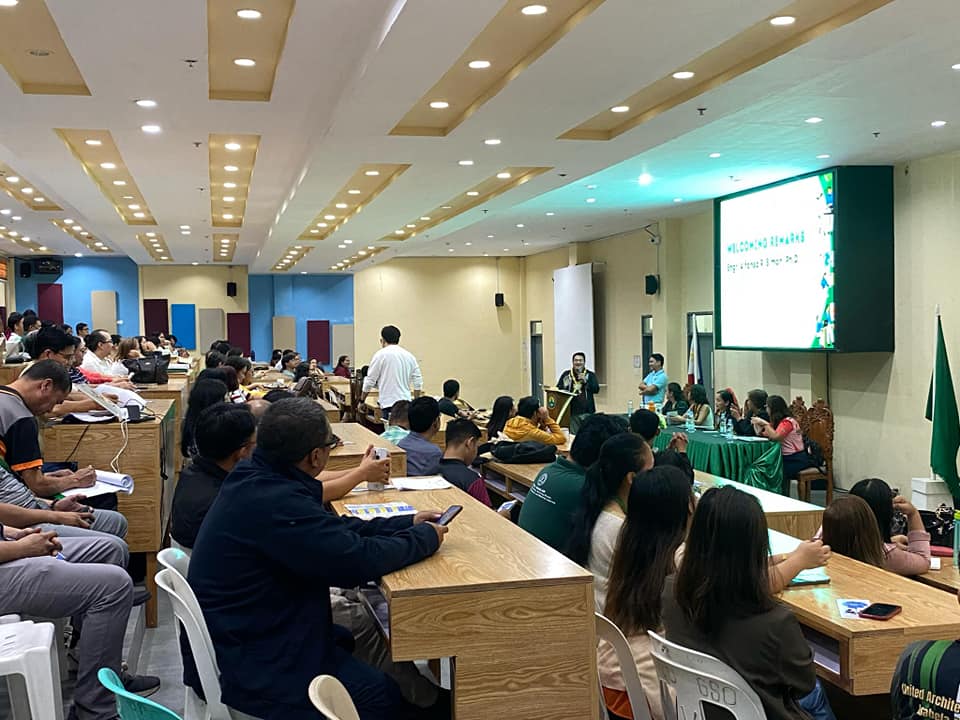
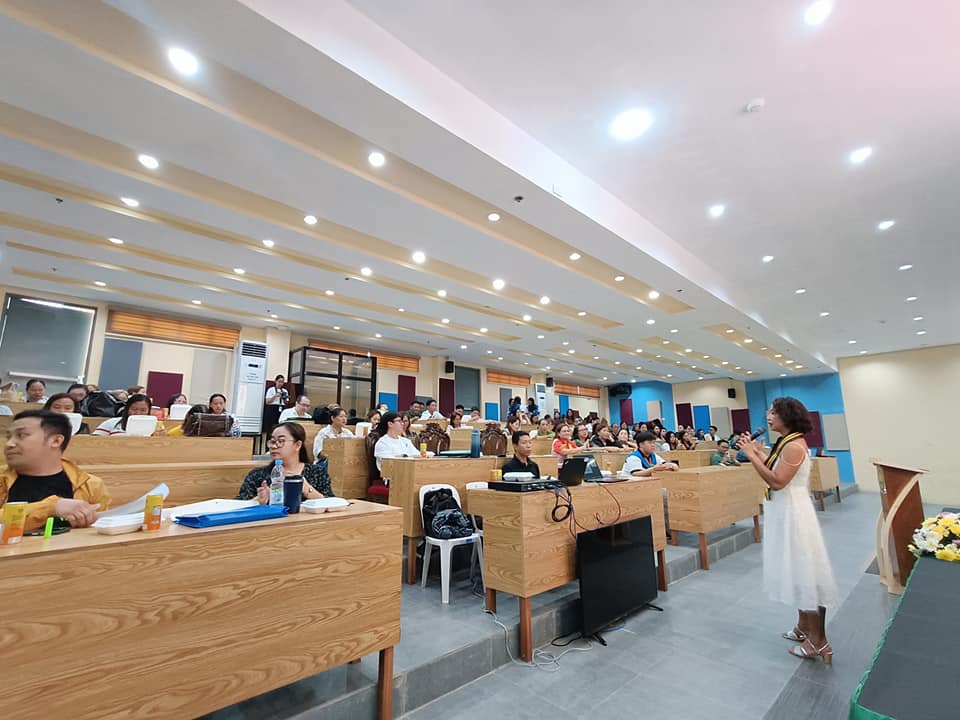
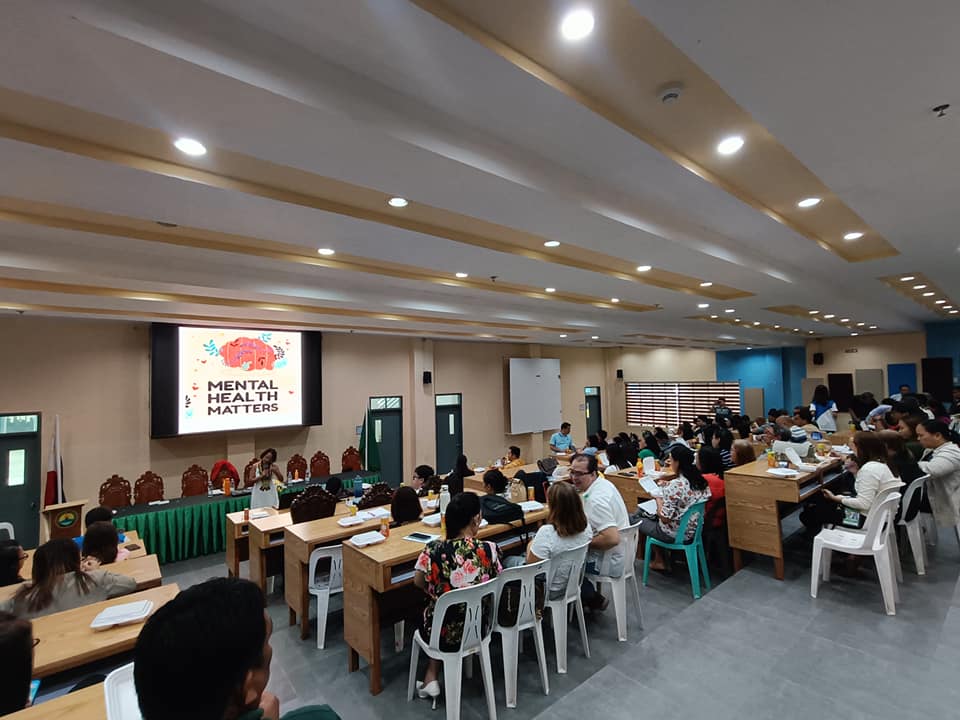
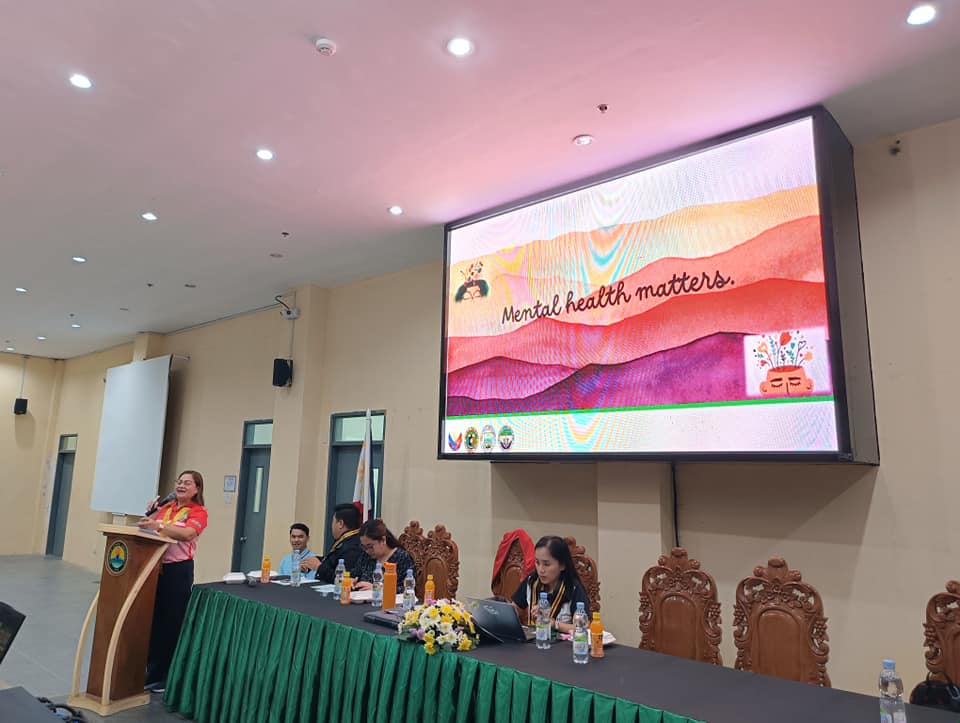
Isabela State University–Ilagan Campus, in partnership with the Department of Health (DOH) Region 2 Integrated Provincial Health Office of Isabela, conducted a Mental Health Awareness Seminar on October 30, 2024, during Academic Year 2024-2025, with the theme “It’s Time to Prioritize Mental Health in the Workplace.” The activity highlighted the importance of mental health as an essential component of overall well-being and workplace productivity, particularly in professional environments characterized by demanding responsibilities and work-related pressures.
The seminar provided faculty and staff with information and practical strategies for managing stress, maintaining work-life balance, and fostering a supportive workplace environment. Through discussions and experiential learning activities, participants were encouraged to develop a better understanding of mental health concerns, challenge associated stereotypes, and promote compassion, understanding, and inclusivity among colleagues.
Through this initiative, ISU Ilagan Campus strengthened its efforts to promote mental health awareness and support the holistic well-being of its personnel. The partnership with the provincial health office also facilitated the delivery of relevant health information and expertise to the University community, reinforcing the importance of mental health advocacy and a healthy, supportive workplace in advancing SDG 3 (Good Health and Well-Being).
For a comprehensive overview of Isabela State University’s programs, initiatives, and accomplishments in promoting good health and well-being, please visit the University’s full SDG 3 report through the link below.
https://drive.google.com/file/d/1t2UXTOIOfDMKutXu-PbmnnY3dtxnfVGb/view?usp=drive_link