
2025 Reports | SDG 6 – Clean Water and Sanitation









WATER USAGE AND CARE
Waste Water Treatment
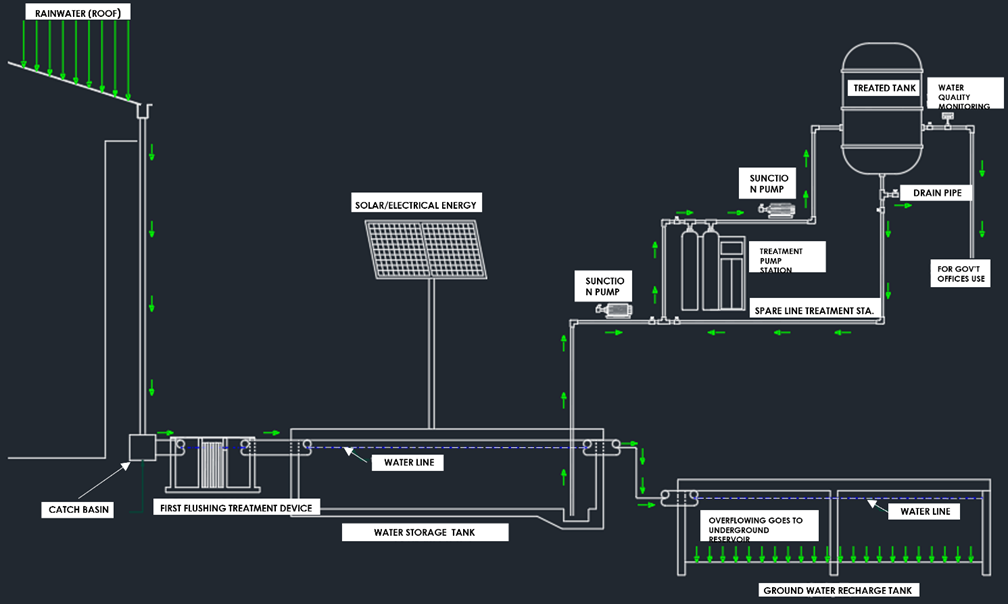
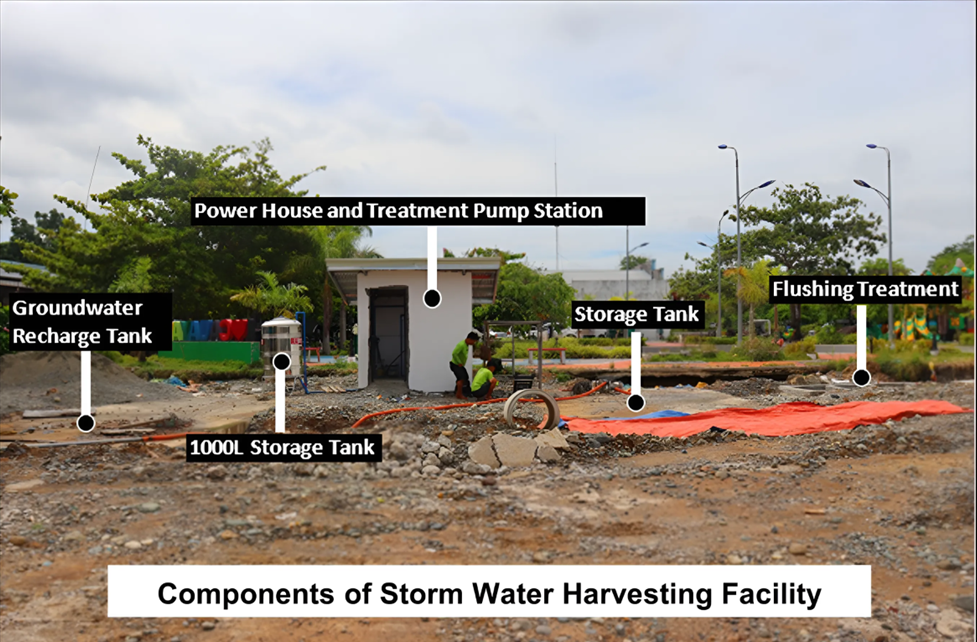
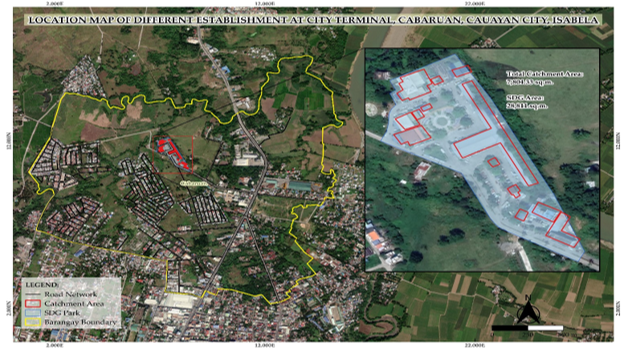
In its continuing commitment to Sustainable Development Goal 6 (Clean Water and Sanitation), Isabela State University (ISU), through its Smart Water Infrastructure and Management (SWIM) Program, partnered with the Local Government Unit of Cauayan City to establish a stormwater harvesting and artificial groundwater recharge facility. Inaugurated in April 2024 during the International Smart and Sustainable Cities and Communities Exposition and Networking Engagement (iSCENE), the facility is among the pioneering initiatives of its kind in the region. Since its inauguration, the system has remained operational and continues to demonstrate the University’s commitment to sustainable water resource management.
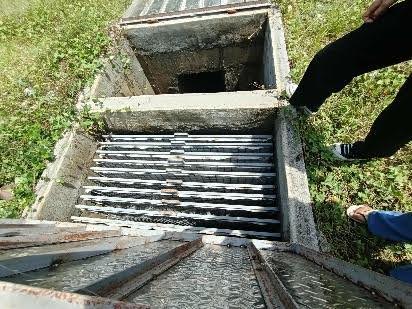
The facility captures stormwater runoff and channels it through a filtration system to remove impurities before the water is reused. Treated water is utilized on-site for non-potable purposes, including toilet flushing, landscape irrigation, plant watering, and facility maintenance. This approach promotes the efficient use of available water resources while reducing dependence on freshwater supplies for activities that do not require potable water. Excess stormwater is directed to an artificial groundwater recharge system, allowing it to seep into the ground and help replenish aquifers for future use.
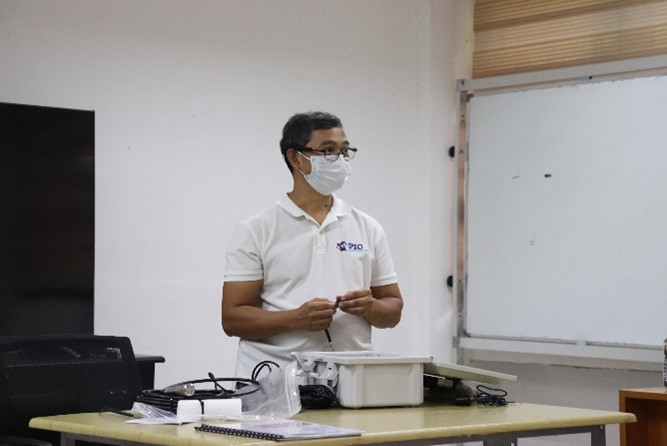
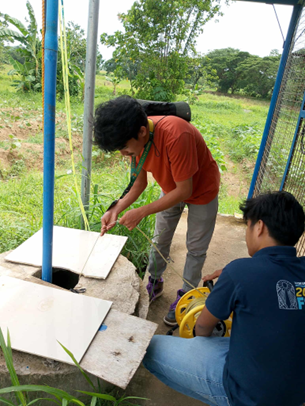
To support the safety and sustainability of the system, the facility incorporates groundwater monitoring sensors that track water levels and detect potential contaminants. These monitoring mechanisms provide information that helps assess groundwater conditions and guide the proper management of harvested and recharged water. In addition, training and capacity-building activities were conducted for ISU personnel and local government staff to develop their knowledge and skills in operating and maintaining the facility and interpreting monitoring data.
The continued operation of the facility since 2024 reflects the sustained implementation of this collaborative initiative beyond its initial inauguration. By integrating stormwater collection, filtration, non-potable water reuse, artificial groundwater recharge, and water quality monitoring, ISU promotes a more responsible and circular approach to water management. The project also demonstrates how collaboration between the University and the local government can support practical solutions to water conservation, reduce untreated stormwater discharge, and strengthen the sustainable management of water resources on campus and in the wider community.
Preventing Water System Pollution and Safeguarding Water Quality
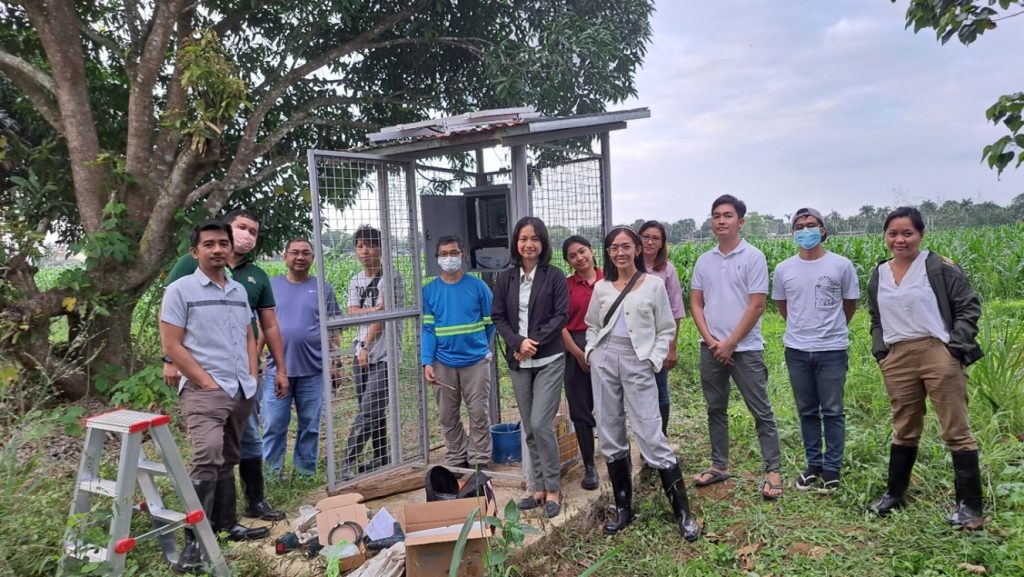
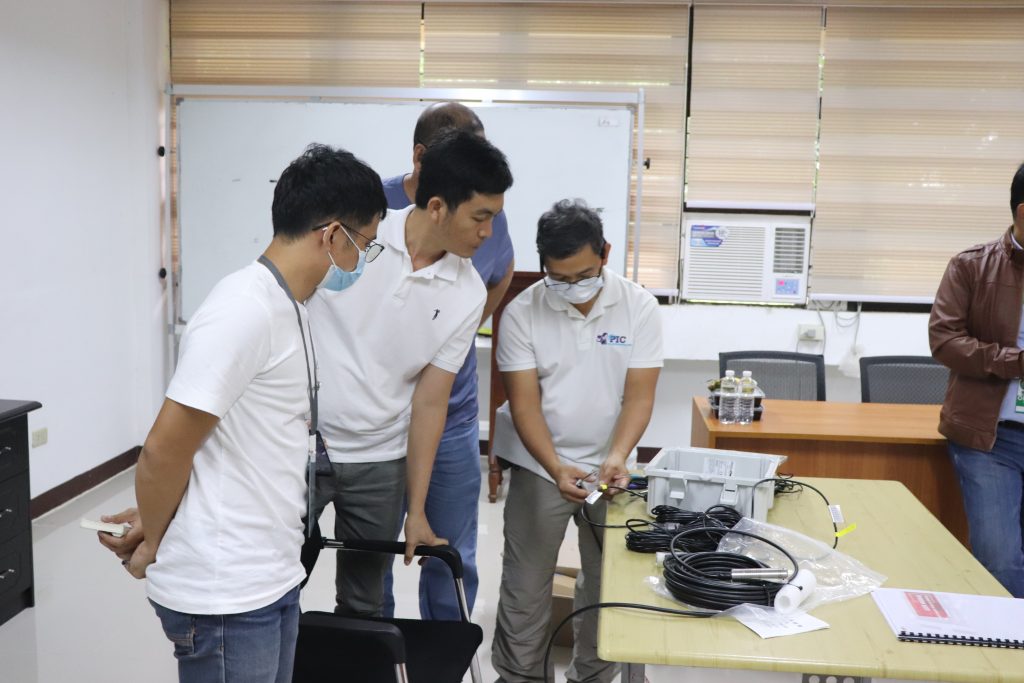
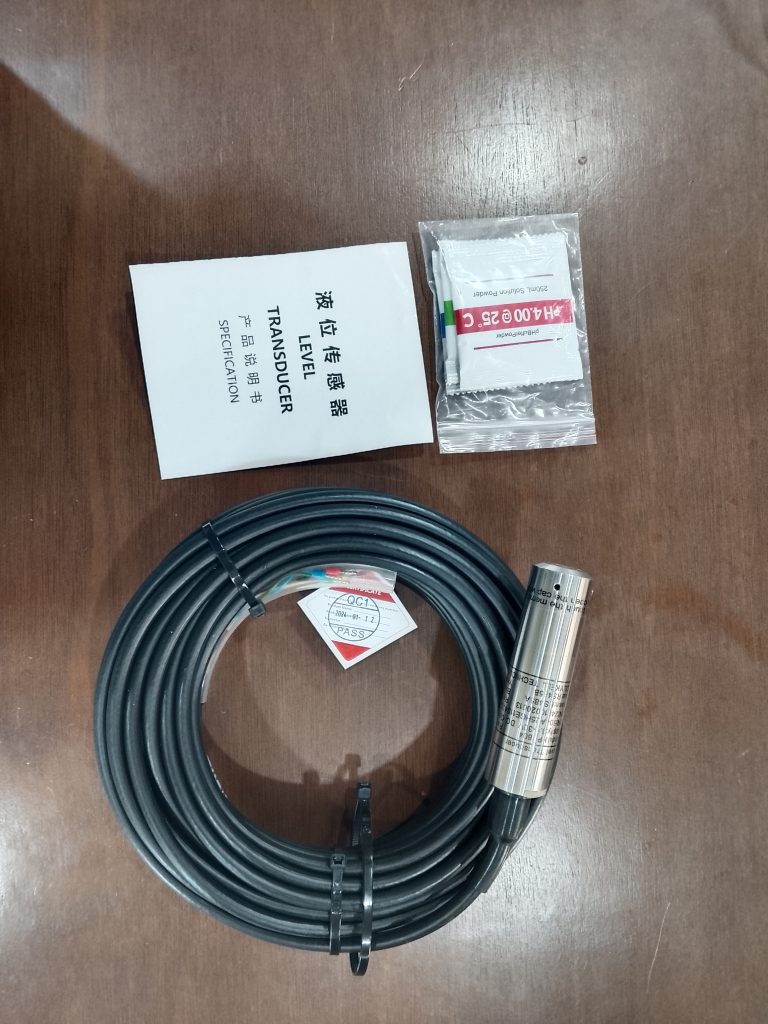
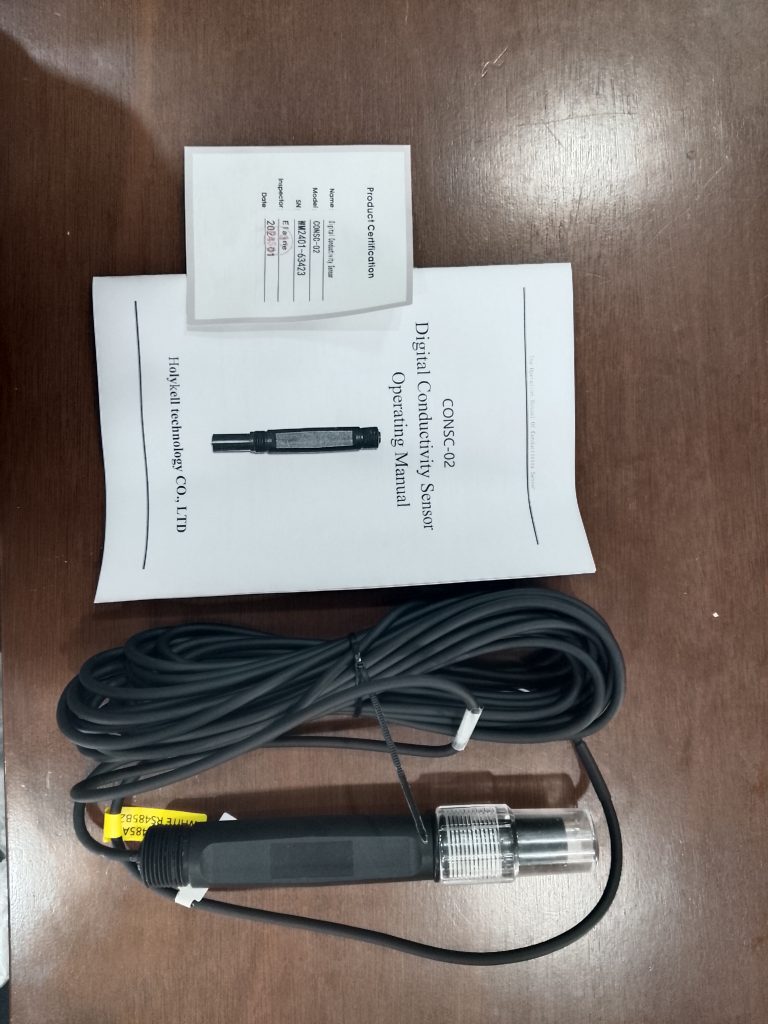
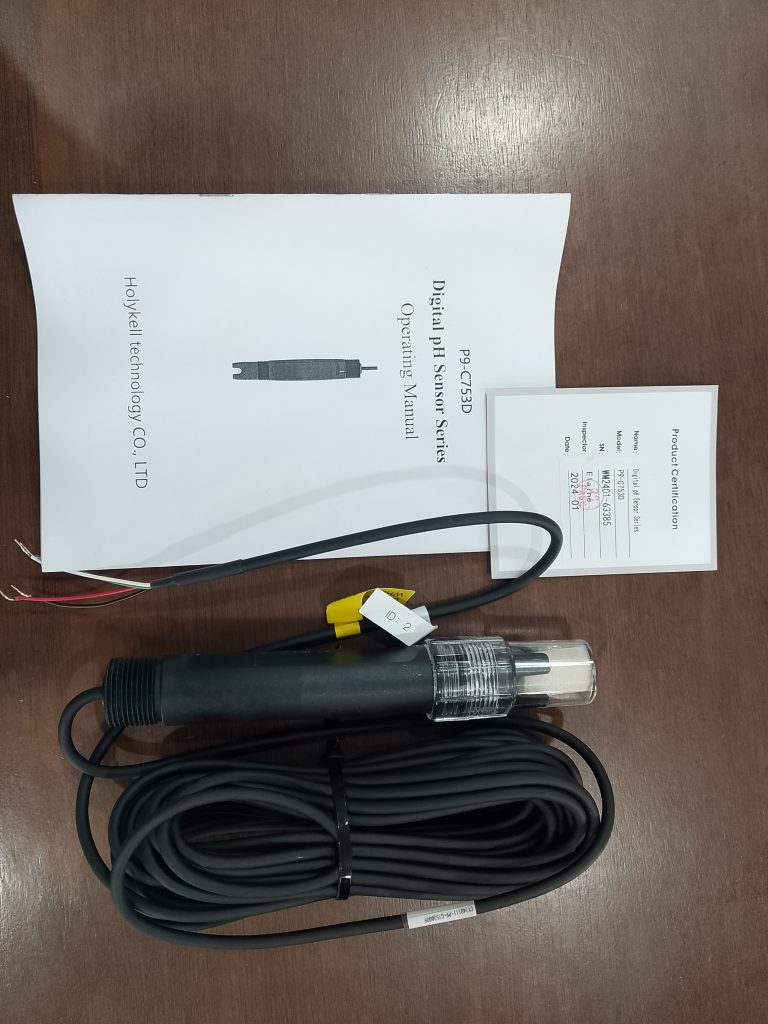
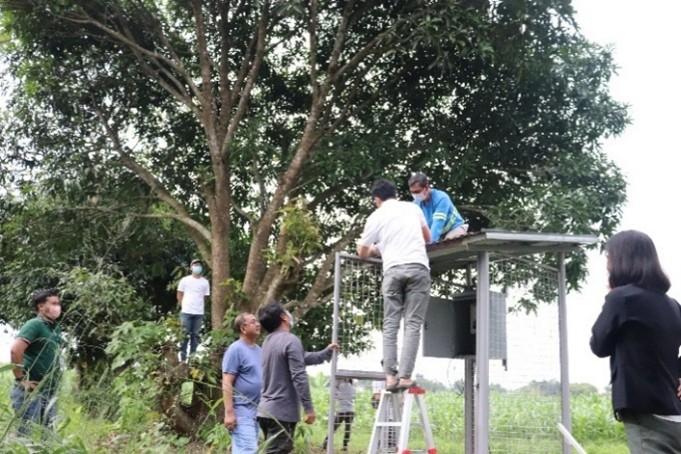
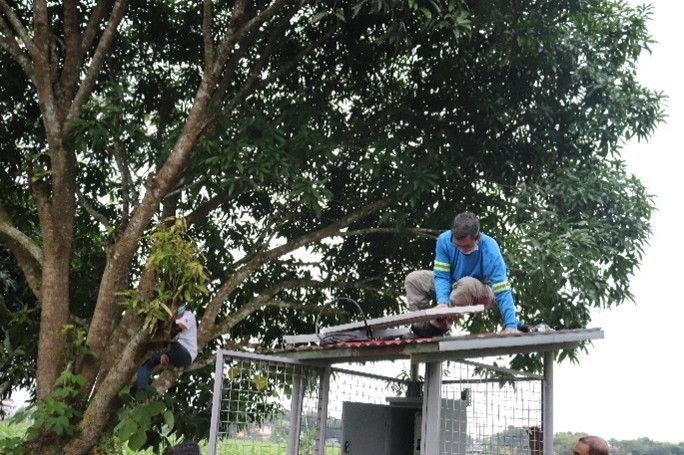
In its continuing mission to promote sustainability and protect community health, the university has taken a proactive step toward safeguarding the quality of its water sources. Through the Smart Water Resources Planning and Monitoring (SWIM) Project, funded by the Department of Science and Technology (DOST), the university has begun installing groundwater monitoring sensors across its campus and in selected municipalities in the region. These advanced sensors continuously track vital water quality indicators such as pH level, temperature, electrical conductivity, total dissolved solids (TDS), salinity, and water level. The data collected serve as a scientific foundation for assessing water safety and identifying potential contamination risks before they escalate into major environmental issues.
Regular monitoring provides not only valuable research data but also a preventive system, allowing the university and local communities to act swiftly in protecting potable water sources. Beyond technology, this initiative reflects a deep sense of environmental stewardship and responsibility toward the people it serves.
Public Access to Free Drinking Water Dispensers
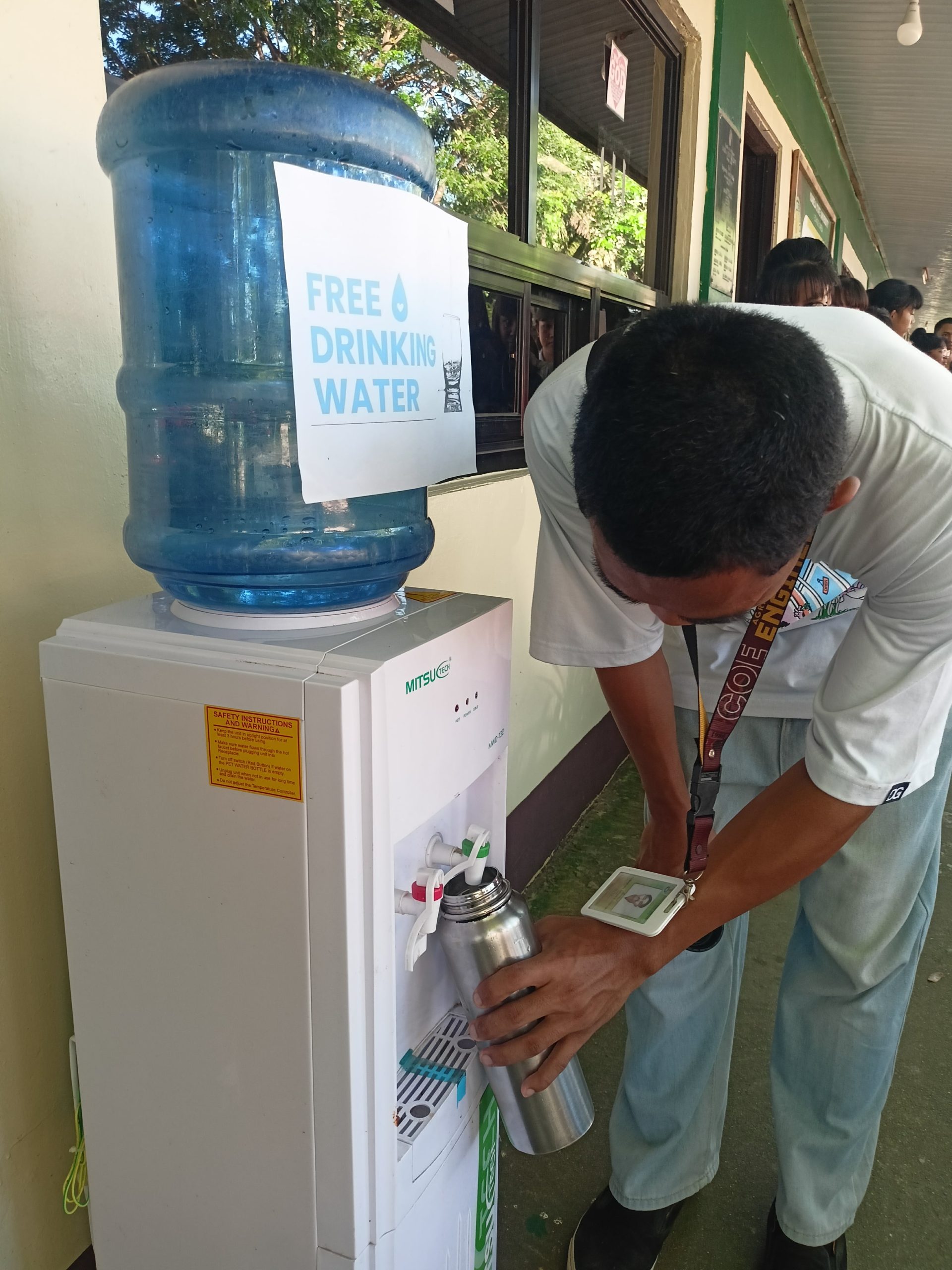
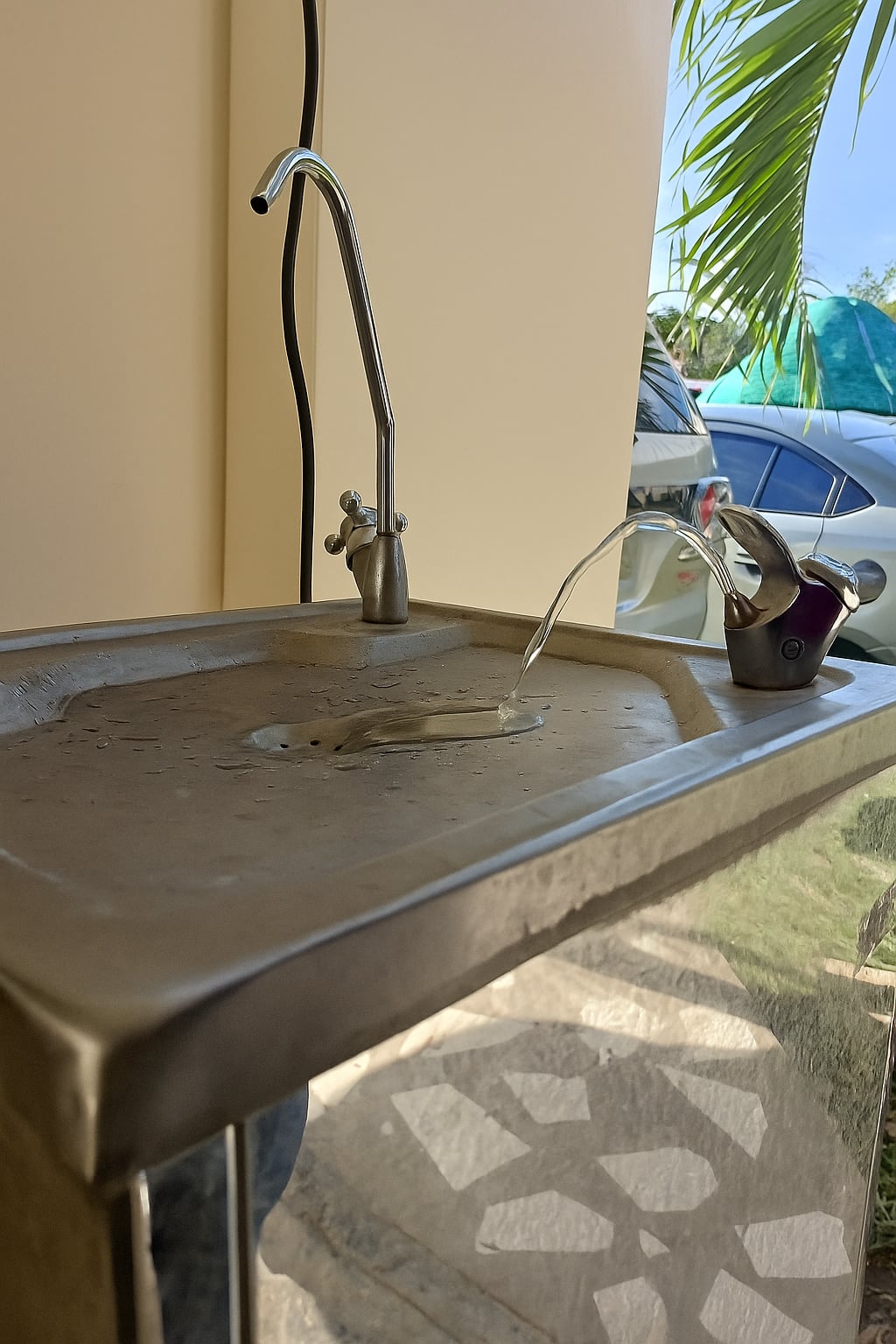
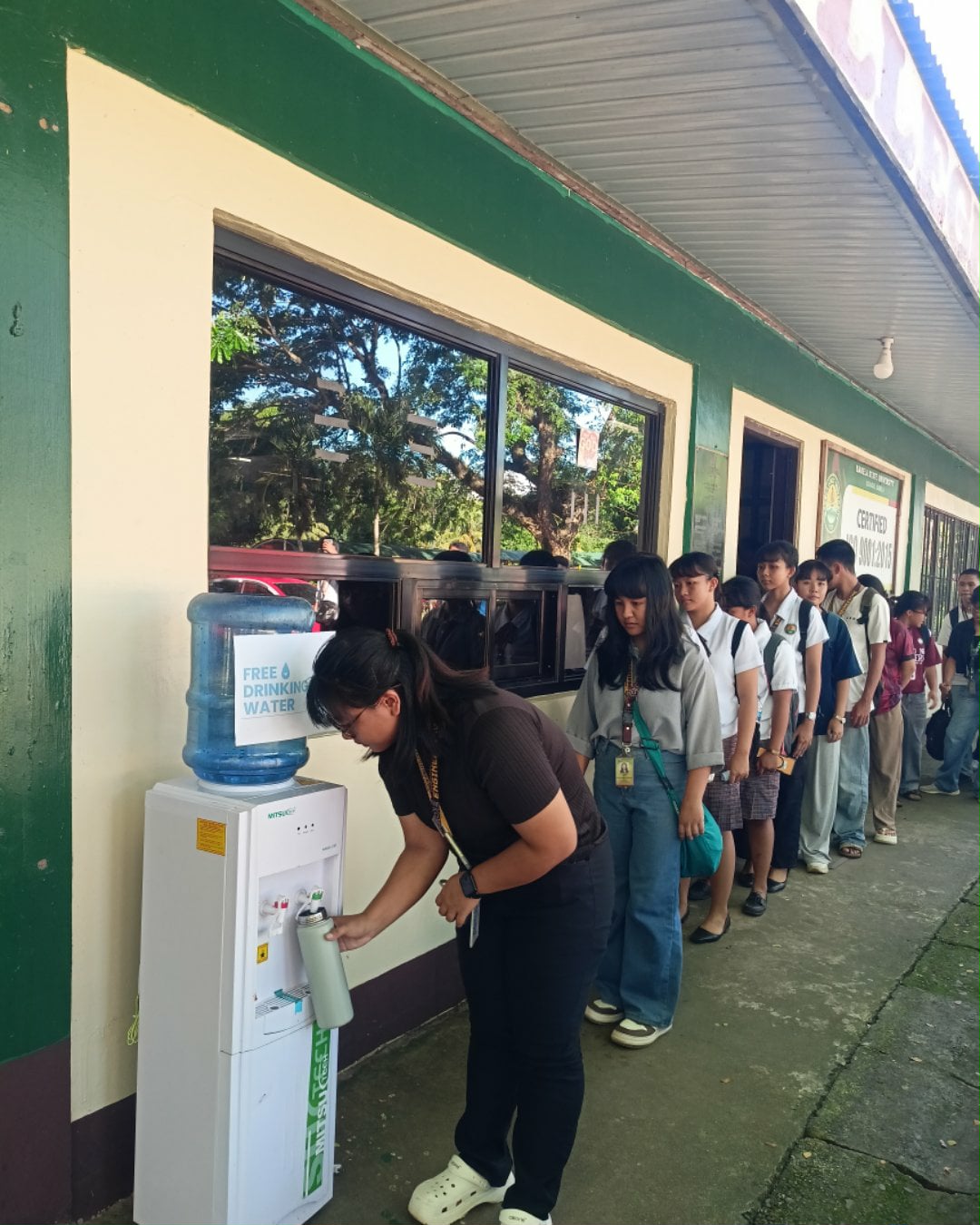
At the heart of the university’s commitment to sustainability and community well-being is the installation of free drinking water fountains and dispensers are placed across the campus. These facilities ensure that students, faculty, staff, and visitors have access to clean and safe drinking water anytime, promoting hydration and well-being within the university community. By encouraging the refilling of reusable containers instead of single-use plastic bottles, the university actively promotes waste reduction and responsible consumption. Through these efforts, the university not only supports the health of its people but also reinforces its role as a leader in sustainable practices.
Water-Conscious Building Standards
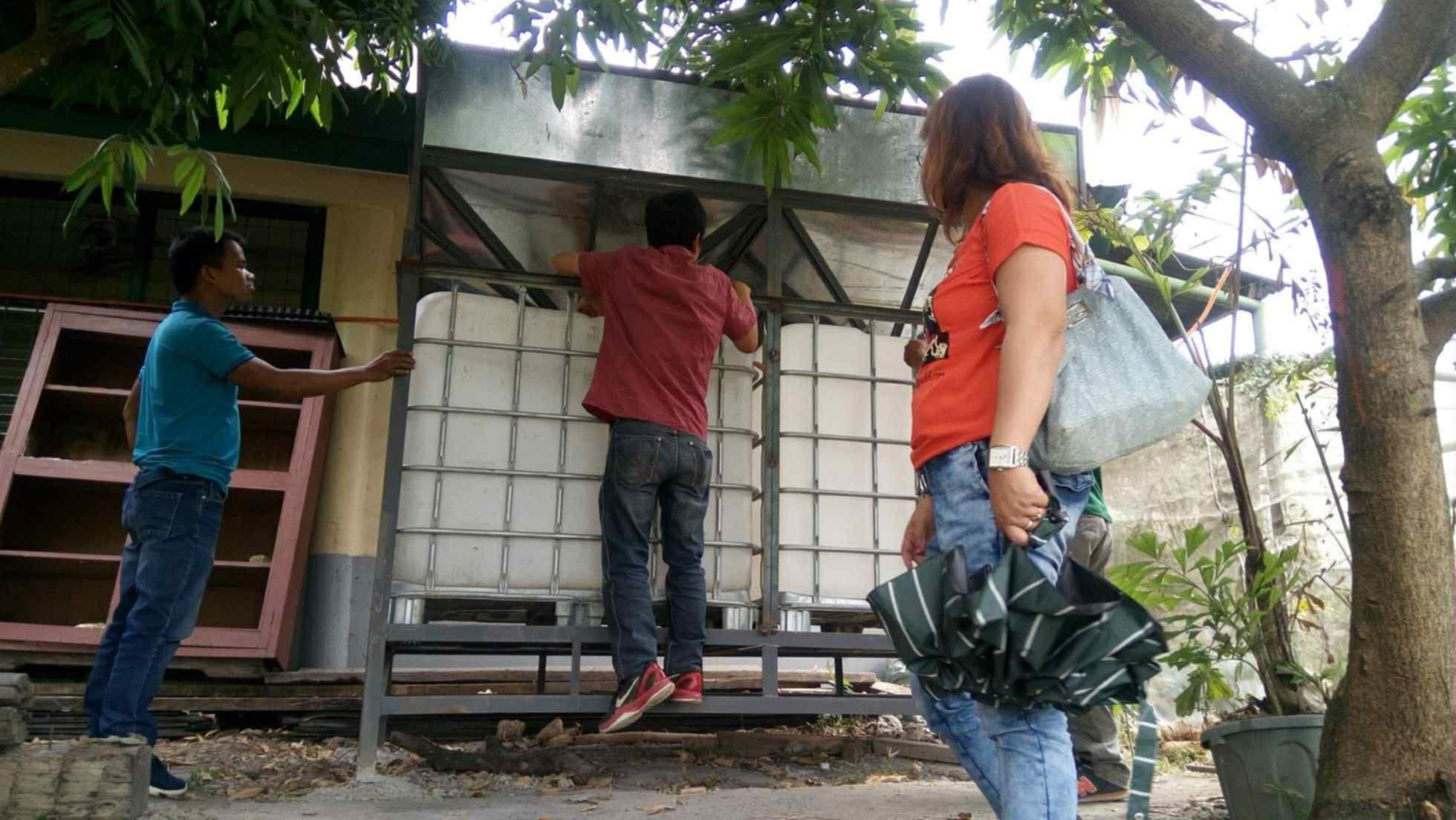
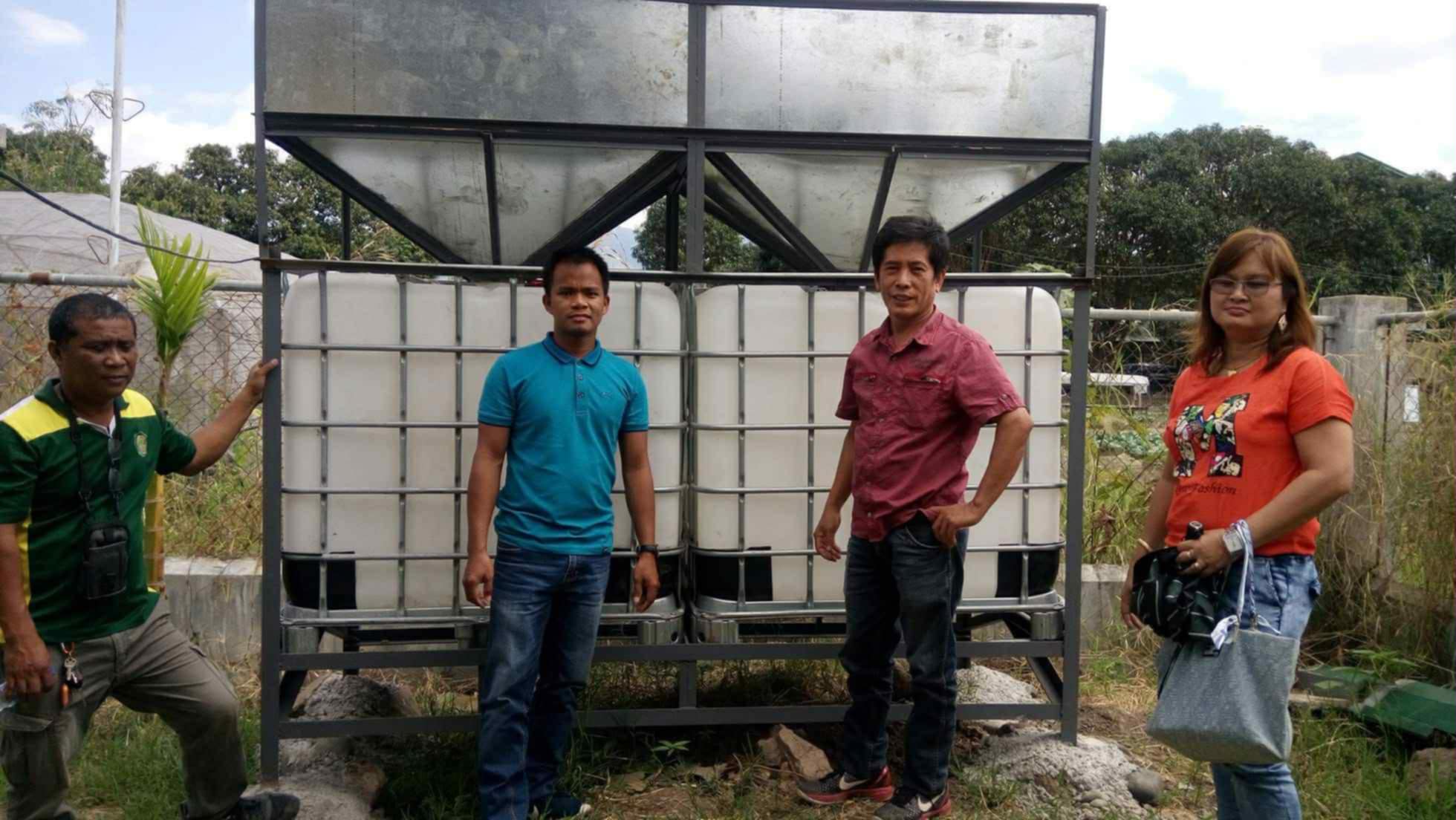
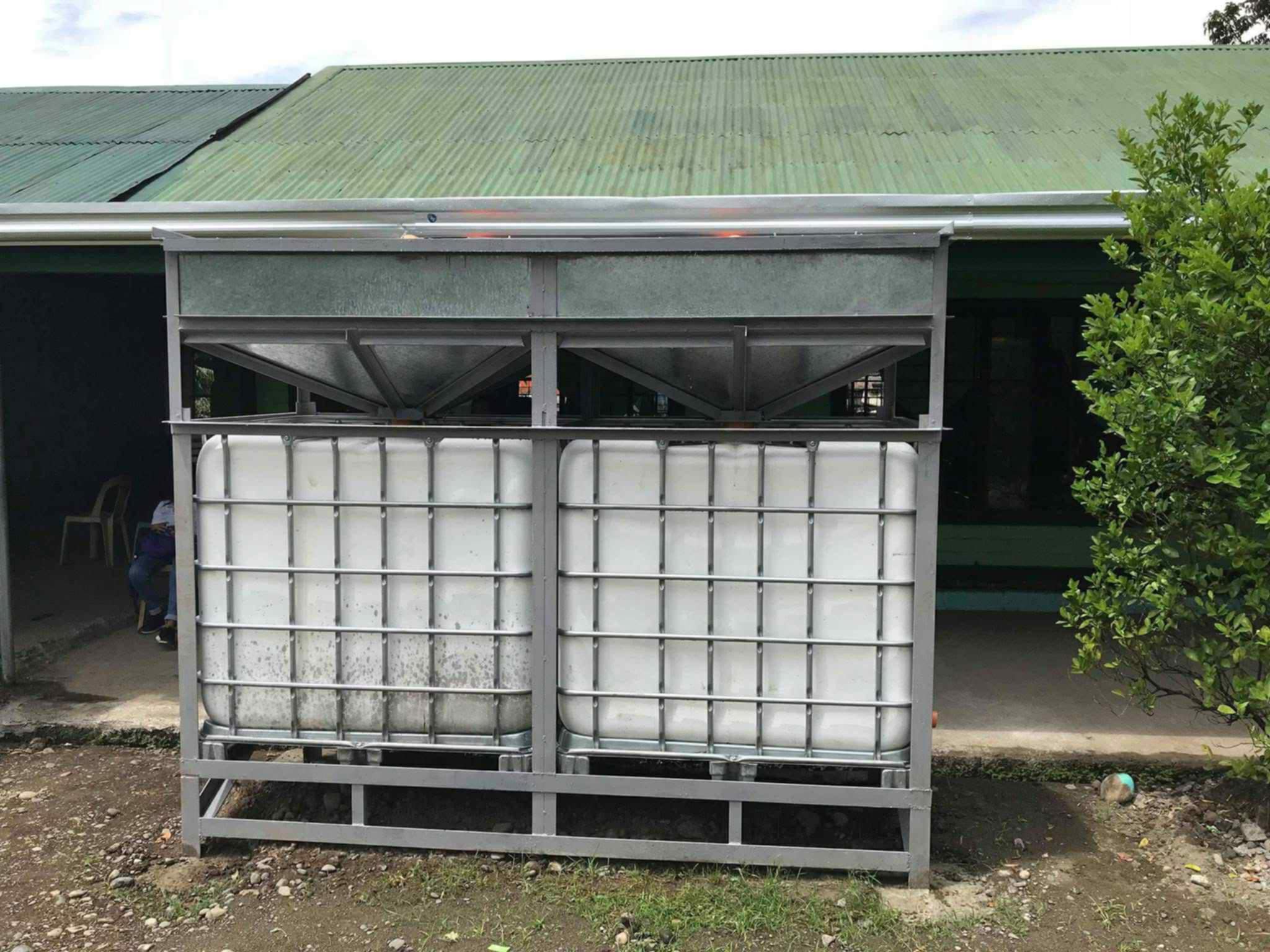
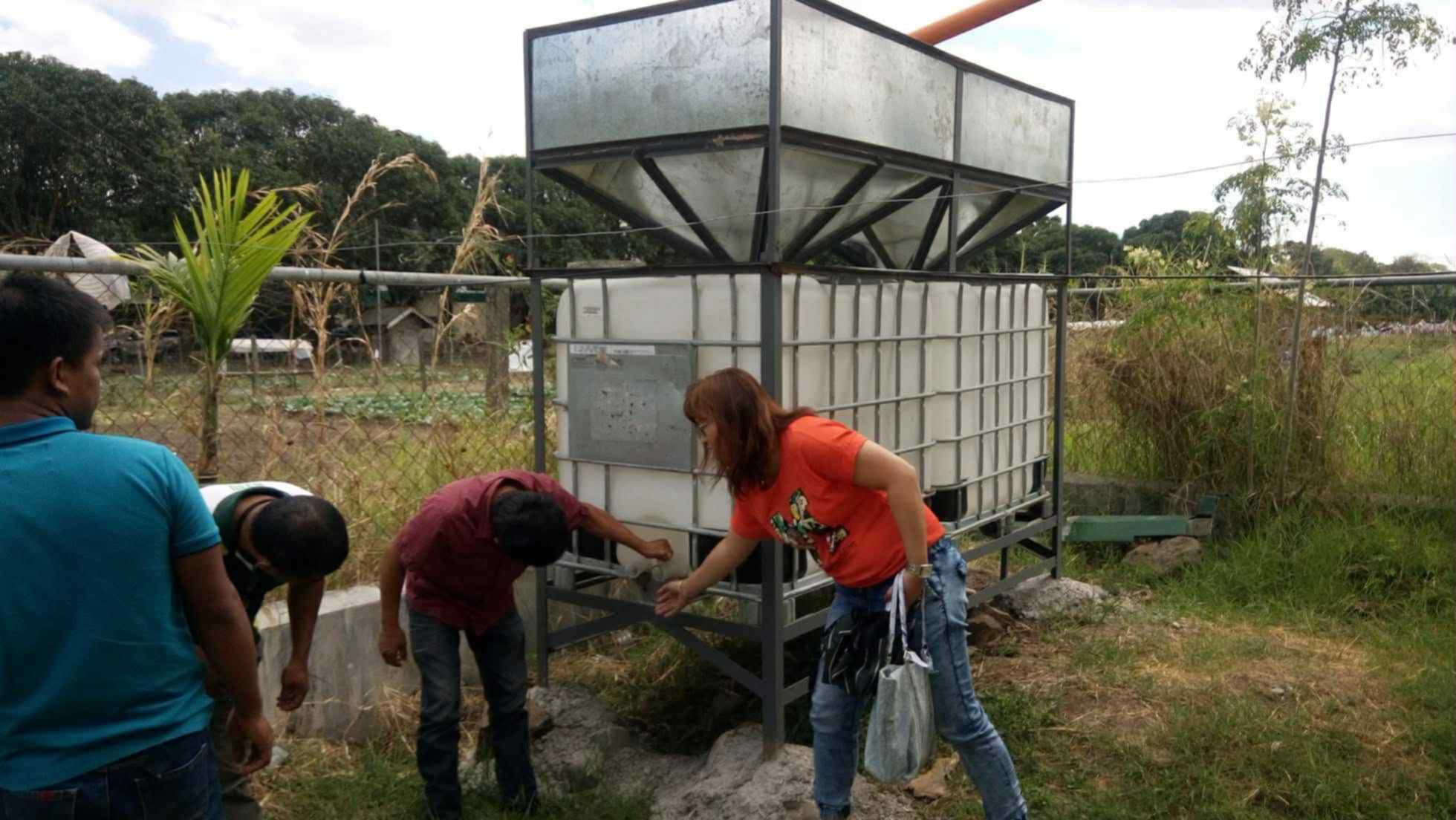
ISU implements water-conscious building standards as a key component of its sustainability framework. University engineering buildings are designed with rainwater harvesting systems, enabling the reuse of water for irrigation and toilet flushing. The university supports this, through the installation of water-efficient fixtures such as low-flow faucets and dual-flush toilets which promotes the efficient water use and sustainability within the campus. By embedding these water-conscious measures into design and maintenance of the university facilities, ISU advances its institutional commitment to water sustainability, promoting efficient water use and infrastructure innovation.
Water-Conscious Planting to Minimize Water Usage
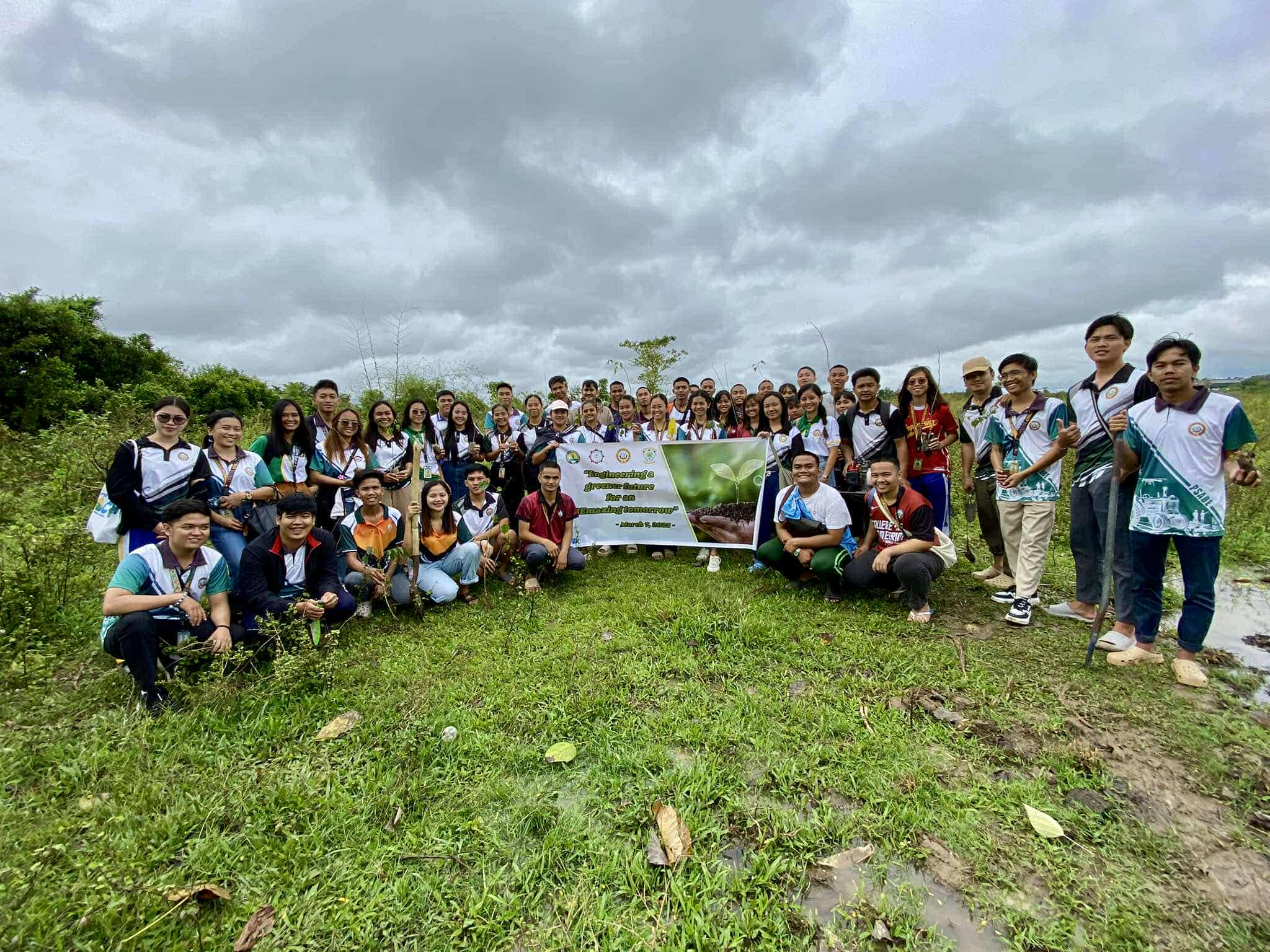
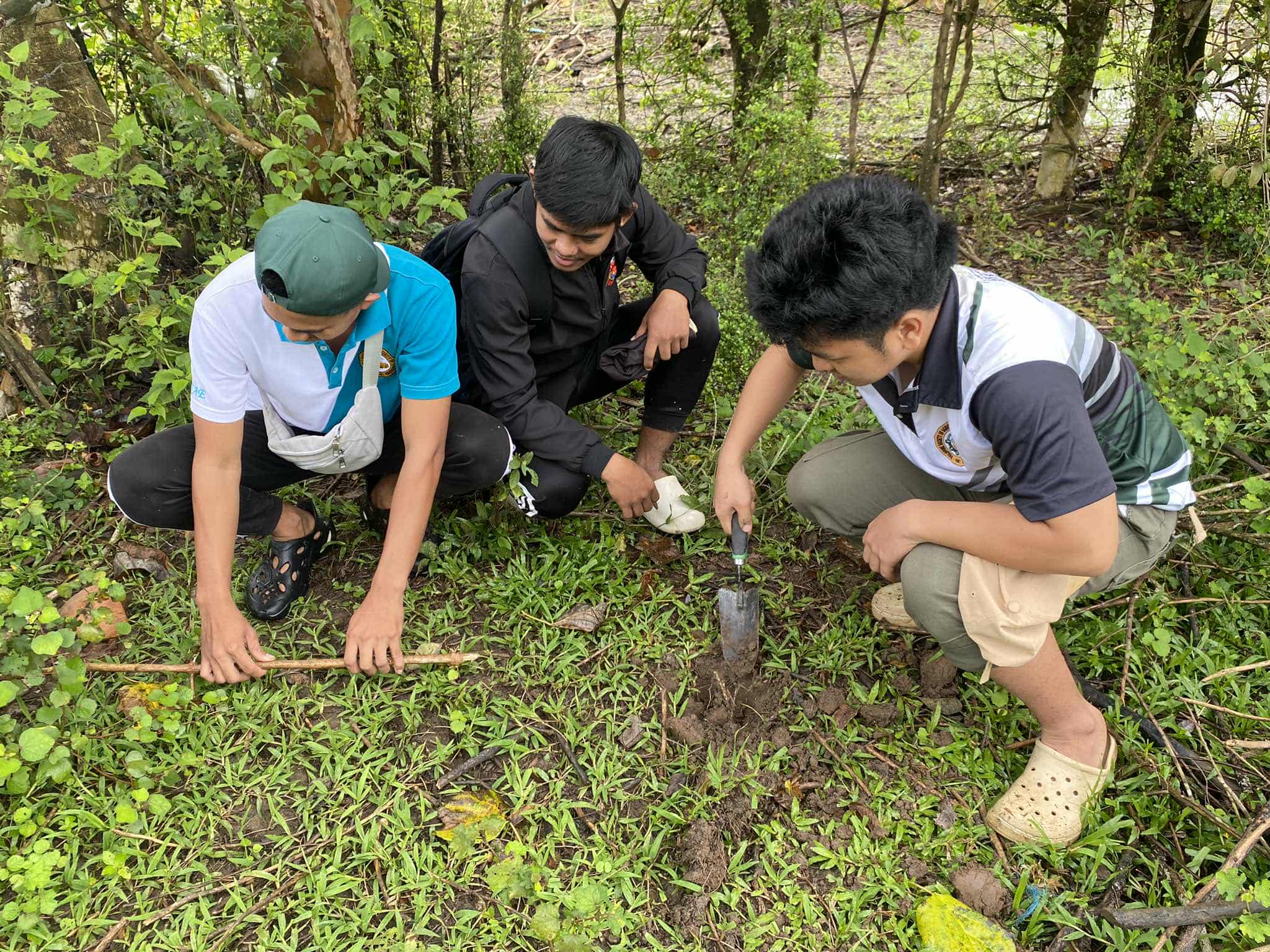
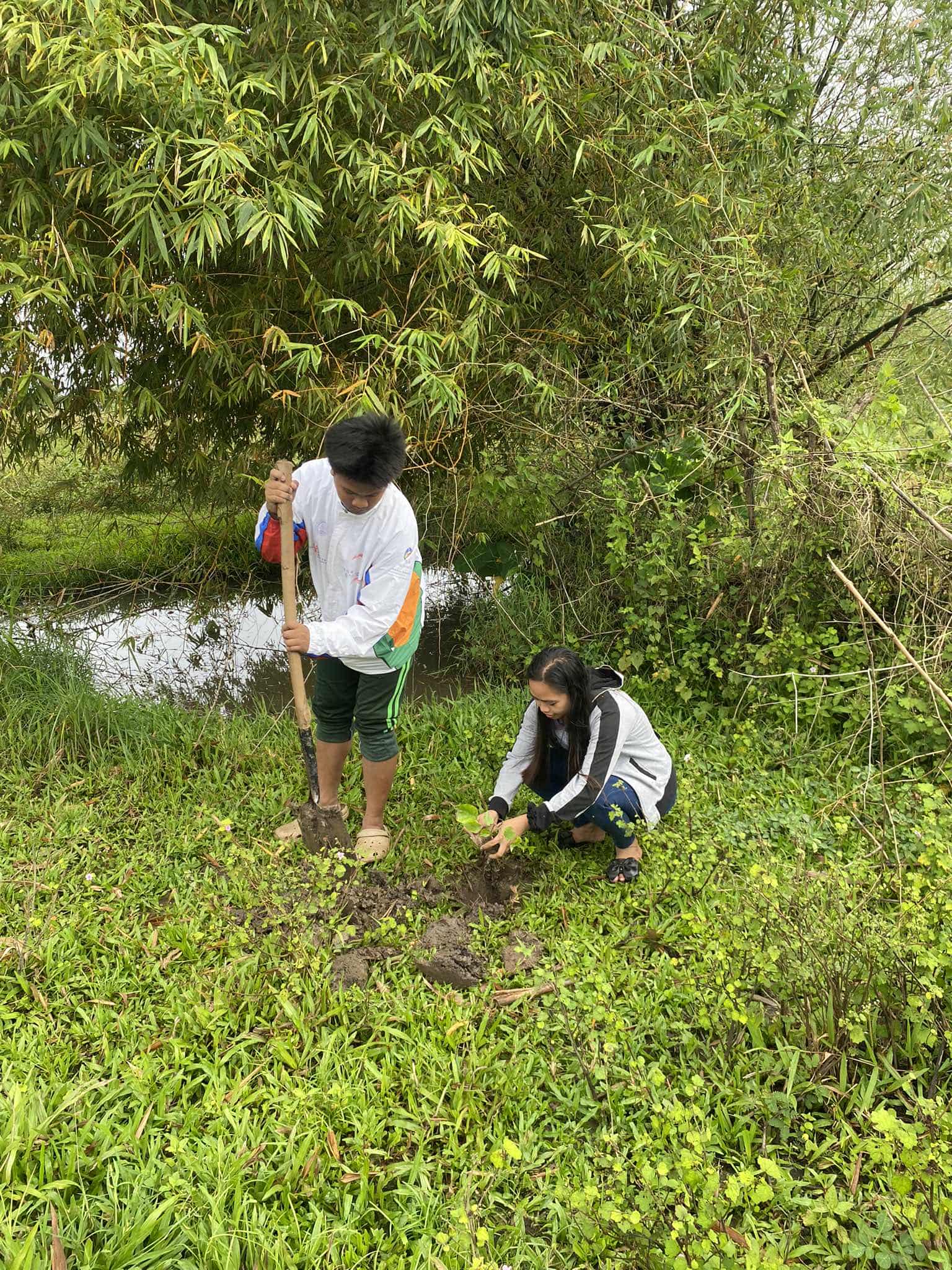
Effective water management is a critical component of sustainable development. The university has embraced water-conscious planting on and off-campus. The Philippine Society of Agricultural and Biosystems Engineers ISU-Chapter Group (PSABE-ISU) has taken the lead role in advancing water-conscious practices by successfully planting 70 Narra trees (Pterocarpus indicus), known for its drought-tolerant characteristics. Align with this, the university is expanding its water-conscious planting initiatives by planting foxtail palm and fan palm trees to reduce irrigation demands while supporting climate change mitigation.
This planting strategy illustrates the university’s commitment to sustainable water management and environmental stewardship by minimizing water usage in landscape design and operation.
WATER REUSE POLICY AND MEASUREMENT
Water Reuse Policy through the University Environmental Management Code
Isabela State University (ISU) maintains an institutional framework for wastewater management, environmental protection, and water conservation through its Environmental Management Code (EMC), which promotes responsible wastewater treatment and the maximization of water reuse across its campuses. In compliance with the Philippine Clean Water Act (RA 9275) and the Code on Sanitation of the Philippines (P.D. 856), the University implements wastewater containment and management practices, including the use of septic tanks and designated containment facilities for domestic and hazardous liquid wastes. To reduce freshwater consumption and wastewater generation, ISU integrates rainwater harvesting systems for non-potable uses, such as toilet flushing and landscape irrigation, along with water-efficient fixtures in its facilities. These measures encourage the efficient use and reuse of available water resources in campus operations.
The University further supports water quality protection through groundwater monitoring sensors under the Department of Science and Technology’s Smart Water Resources Planning and Monitoring (SWIM) Project, which monitor parameters such as pH, temperature, conductivity, total dissolved solids, and salinity. Through the technical expertise of its Smart Water Infrastructure and Management (SWIM) R&D Center and Water Research and Development Center (WReDC), ISU also conducts water sampling and pollutant assessment to support sustainable water resource management. Through these policies, infrastructure, and monitoring initiatives, the University promotes water conservation, responsible wastewater management, and the continued reuse of water across its campuses.
Water Reuse Measurement
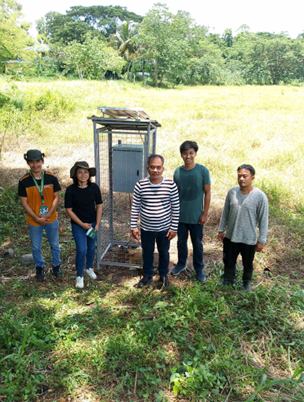
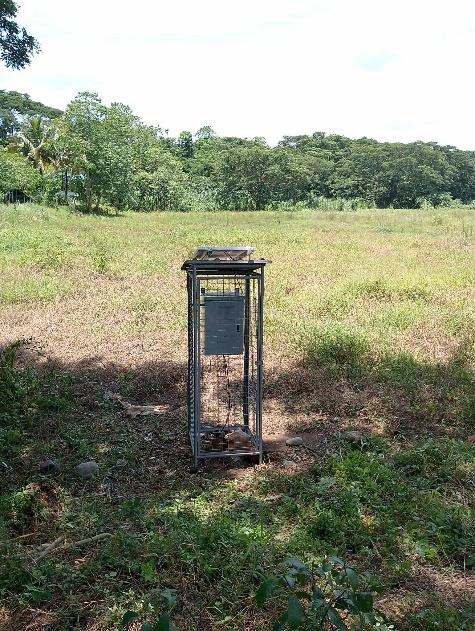
Isabela State University (ISU), through its Department of Science and Technology (DOST)-funded Smart Water Infrastructure and Management (SWIM) R&D Center, monitors and measures the volume of water captured, treated, and reused across its facilities. The University utilizes solar-powered Internet of Things (IoT) digital flow meters and sensor arrays integrated into its stormwater harvesting and artificial groundwater recharge facilities, including those at the Cauayan City, Echague, and Angadanan campuses. These monitoring technologies measure and record water volumes collected, filtered, and recirculated for non-potable applications such as toilet flushing, facility maintenance, and landscape irrigation. The resulting data enable ISU to quantify water reuse, assess reductions in freshwater demand, monitor system performance, and guide the maintenance of filtration and water treatment facilities. Through these initiatives, the University strengthens its institutional capacity to track recycled water use and promote the efficient and sustainable management of water resources.
WATER IN THE COMMUNITY
Water Management Educational Opportunities
Isabela State University (ISU) extends its expertise in sustainable water management to local communities, regional stakeholders, and partner institutions through educational outreach, capacity-building programs, and technical training. Through its Smart Water Infrastructure and Management R&D Center and Water Research and Development Center, the University translates research and technical knowledge into practical learning opportunities on integrated water resources management, watershed protection, water conservation, and climate resilience. These initiatives provide opportunities for local communities, agricultural stakeholders, municipal personnel, and partner agencies to strengthen their understanding of water resource management and adopt sustainable practices.
Through extension activities, training workshops, public consultations, technical lectures, and collaborative forums, ISU promotes knowledge sharing on water quality monitoring, irrigation efficiency, flood and drought mitigation, and watershed conservation. In partnership with local government units and other regional, national, and international organizations, the University brings water-related education and technical expertise beyond its campuses. These efforts help equip stakeholders with practical knowledge to address local water challenges, support informed decision-making, and strengthen community participation in protecting and managing water resources.
Off-campus water conservation support
Isabela State University (ISU) actively supports off-campus water conservation, watershed management, and community water security initiatives across Cagayan Valley and neighboring provinces. Through its Department of Science and Technology (DOST)-recognized Smart Water Infrastructure and Management (SWIM) R&D Center, a Niche Center in the Regions for R&D (NICER), the University provides scientific, technical, and policy support to local government units (LGUs), regional agencies, farming communities, and energy sector partners. Among its initiatives is the deployment of solar-powered Internet of Things (IoT) groundwater monitoring systems in Cauayan City, Cordon, Luna, Angadanan, Delfin Albano, Aglipay, Maddela, and other municipalities in Isabela, Quirino, and Nueva Vizcaya. These systems monitor groundwater levels and quality parameters, including pH, total dissolved solids, salinity, and temperature. ISU also provides hands-on training to local personnel on operating and maintaining the monitoring equipment to support community-based water resource management.
The University further strengthens watershed and river basin protection through partnerships with government agencies, local communities, and the private sector. On May 21, 2025, ISU signed a Memorandum of Understanding with SN-Aboitiz Power Magat for the Sediment Evaluation and Development of Intervention (SEDI) Project, supporting science-based river basin management, reservoir sediment control, and watershed rehabilitation. On September 15, 2025, it entered into an agreement with the LGU of Santa Marcela for the SMART DANUM initiative, which assesses water quality in 13 barangays and introduces localized water treatment technologies. ISU also partnered with Kyoto University and DOST-PCIEERD on January 29, 2025, to advance research on water resources and dam management in the Cagayan River Basin. At the community and policy levels, its extension project, Tipid Tubig, Masaganang Kamalig, promotes water-saving practices among farming communities, while its technical assistance to NEDA Region 02 uses Water Evaluation and Planning (WEAP) software to assess water security in the Cagayan River Basin. Through these initiatives, ISU extends its research, technical expertise, and extension services beyond campus to support sustainable water management and strengthen the water security of surrounding communities.
Sustainable water extraction on campus
Isabela State University actively deploys and operates sustainable water extraction technologies across its constituent campus grounds to optimize freshwater abstraction, prevent aquifer depletion, and promote circular water resource management. Spearheaded by its Department of Science and Technology (DOST)-funded Smart Water Infrastructure and Management (SWIM) R&D Center, ISU replaces conventional fossil-fueled pumping with solar-powered groundwater extraction systems integrated with automated Internet of Things (IoT) monitoring sensors across campus sites including installation at ISU Angadanan Campus (August 12, 2025), Echague Main Campus, Cauayan City Campus, and Echague Main Campus. These IoT sensor arrays continuously track real-time groundwater table levels, extraction rates, pH, total dissolved solids (TDS), salinity, and temperature, enabling data-driven, non-depletive pumping that protects local aquifers from over-extraction.
To directly reduce raw groundwater pumping demand on campus grounds, ISU integrates groundwater extraction with solar-powered stormwater harvesting and artificial groundwater recharge infrastructure. Deployed across the university, these facilities capture urban stormwater and roof runoff, pass it through multi-stage physical filtration units, and recirculate the treated water for on-site non-potable operational needs including toilet flushing, facility maintenance, and landscape irrigation. Excess treated runoff is systematically injected into artificial recharge wells to replenish groundwater tables, creating a sustainable, closed-loop water management system across university grounds.
Cooperation on water security
Isabela State University (ISU) actively functions as a leading academic and technical body that collaborates across local, regional, national, and global levels to advance water security, directly addressing Sustainable Development Goals 6 and 17.
At the local level, ISU partners directly with municipal government units and local water districts throughout Isabela and neighboring provinces. The university provides essential technical assistance in monitoring localized groundwater systems, evaluating rural water quality, and deploying telemetered monitoring sensors to give local farming communities reliable, real-time data on surface and groundwater availability.
Regionally, ISU serves as a vital technical partner within the Cagayan Valley, collaborating closely with bodies like the National Irrigation Administration (NIA Region 02) and the Regional Development Council under NEDA to guide water security policies, water allocation schedules, and disaster risk reduction. To build institutional capacity across river basin institutions, the university leads technical training workshops on the Water Evaluation and Planning system for regional decision-makers, municipal engineers, and watershed managers. Applied across the Cagayan River Basin, these WEAP decision-support models enable governmental bodies to simulate sectoral water demand, evaluate climate change impact scenarios, model reservoir storage dynamics, and balance water security trade-offs between agricultural irrigation, domestic consumption, and ecological flow requirements across the basin.
On the national stage, ISU anchors high-level research as the host institution for the Smart Water Infrastructure and Management (SWIM) R&D Center, a Niche Center in the Regions for R&D (NICER) supported by the Department of Science and Technology (DOST). In collaboration with national agencies such as DOST-PCIEERD and the Department of Environment and Natural Resources (DENR), ISU translates advanced hydrological and geomorphic research into actionable national policy recommendations and disaster risk reduction frameworks.
Globally, the university extends its footprint through various institutional research partnerships with international funding and development bodies, including the Japan International Cooperation Agency (JICA) and various foreign research institutions. These bilateral efforts bring cutting-edge spatial technologies, river basin management methodologies, and joint academic exchanges to the Philippines, establishing ISU as a recognized hub for regional water security in Southeast Asia.
Promoting conscious water usage on campus
Isabela State University actively promotes conscious water usage across all its campuses. Through the university’s mandate in the Environment Management Code, the university embeds resource conservation into daily campus operations, facility planning, single-use plastic reduction, landscape management, and student-led eco-stewardship. The code establishes the university’s commitment to environmental sanitation, raw effluent containment, periodic water testing across campus outlets, and sustainable facility operations across academic and administrative facilities.
Under its institutional Water-Conscious Building Standards framework presented in the SDG report 2025, the university enforces sustainable building guidelines across physical campus developments. University engineering and administrative buildings are designed with integrated rainwater harvesting systems that collect and filter surface runoff for non-potable campus applications, including landscape irrigation and toilet flushing. To directly reduce daily per capita potable water draw at the point of consumption, campus restrooms and laboratory facilities are fitted with water-efficient plumbing fixtures, including low-flow faucets and dual-flush toilet mechanisms.
To foster water-conscious habits among students, faculty, staff, and campus visitors, the university maintains free drinking water fountains and water dispenser stations across key campus areas. By offering safe, accessible drinking water, the university actively promotes the refilling of reusable water containers. This continuous operational practice directly reduces single-use plastic bottle waste while cultivating responsible daily consumption behaviors throughout the academic community.
Recognizing that campus grounds management can demand significant water volumes, the university practices low-water landscape engineering by integrating drought-tolerant flora to minimize artificial irrigation needs. Campus greening initiatives systematically feature native species such as Narra trees, foxtail palms, and fan palms, which naturally thrive under regional climate conditions with minimal supplemental irrigation. Philippine Society of Agricultural and Biosystems Engineers-ISU Chapter actively leads campus tree-planting activities using these drought-resistant species to build eco-friendly campus environments that operate on minimal irrigation.
The university operates continuous groundwater monitoring sensors across campus sites by tracking pH, electrical conductivity, water levels, and total dissolved solids, providing real-time data to audit campus water safety, optimize conservation protocols, and train campus facility managers in sustainable water management practices.
Promoting conscious water usage in the community
Isabela State University actively promotes conscious water usage, water resource stewardship, and sustainable river basin management across the wider community by extending technical expertise, educational campaigns, and policy support to local government units (LGUs), regional line agencies, local water districts, agricultural cooperatives, and local residents throughout Cagayan Valley and Northern Luzon.
ISU formalizes strategic partnerships and multi-stakeholder engagements to drive community-wide water conservation. On November 27, 2025, ISU sealed a strategic partnership with the Japan Water Agency (JWA) to strengthen regional river basin management, reservoir protection, and public awareness regarding sustainable water resource allocation. On January 23, 2025, ISU co-facilitated a Regional Stakeholders’ Consultative Meeting with Kyoto University and DOST-PCIEERD, bringing together local water districts, municipal LGUs, irrigation associations, and community leaders to promote conscious water stewardship, dam safety, and Integrated Water Resources Management (IWRM) across the Magat River Basin. Furthermore, on September 15, 2025, ISU executed a Memorandum of Agreement (MOA) with LGU Santa Marcela, delivering community water quality assessment tools, technical decision-support systems, and localized water conservation training across 13 rural barangays. Complementing policy outreach, ISU extension units conduct grassroots agricultural campaigns—such as the “Tipid tubig, masaganang kamalig” (Water Conservation Solutions for Agricultural Resilience) program led by the Philippine Society of Agricultural and Biosystems Engineers ISU Chapter (PSABE-ISU) to train local farmers in water-saving irrigation methods, rainwater harvesting, and drought-resilient crop management, thereby embedding a culture of conscious water usage across the region.